Bug Report: Winkler, Manitoba – 2026-03-17
This Forecast is Out of Date. Please visit https://justbiteme.com/regional-bug-bite-forecast for an updated forecast

Image: Pixabay
Your Weekly Pest Control Winkler Manitoba Update: Gloomy Skies, Low Bug Risk
Greetings, Winkler homeowners! As we observe the cloudy, humid conditions this week at a crisp 2.05°C (36°F), the good news for your property is that our bug risk level remains wonderfully low. This is a prime time for proactive measures, even when you’re not seeing much activity. Effective pest control Winkler Manitoba isn’t just about reacting to infestations; it’s about understanding our unique prairie climate and anticipating what’s next. While many of us might be dreaming of enjoying the upcoming spring at the Winkler Parkland or planning early garden prep, most pests are still in a dormant state, huddling deep within protected areas. This low risk means immediate infestations are unlikely, but it’s an ideal time for inspection and prevention.
This Week’s Weather and What It Means for Bugs
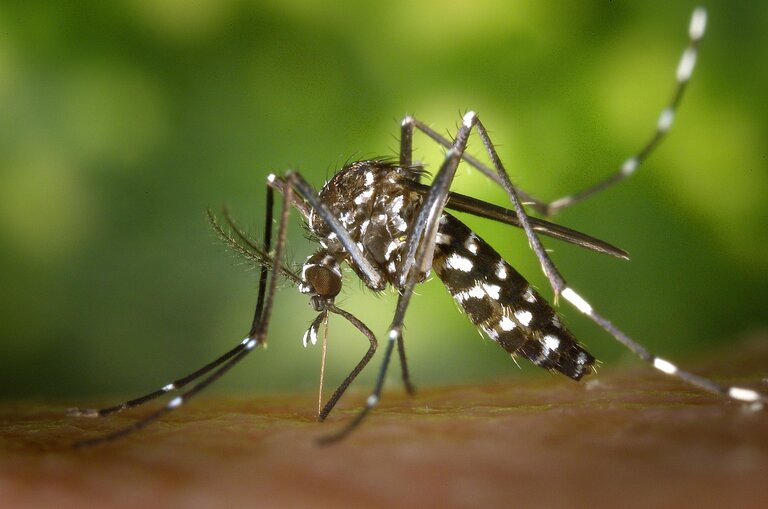
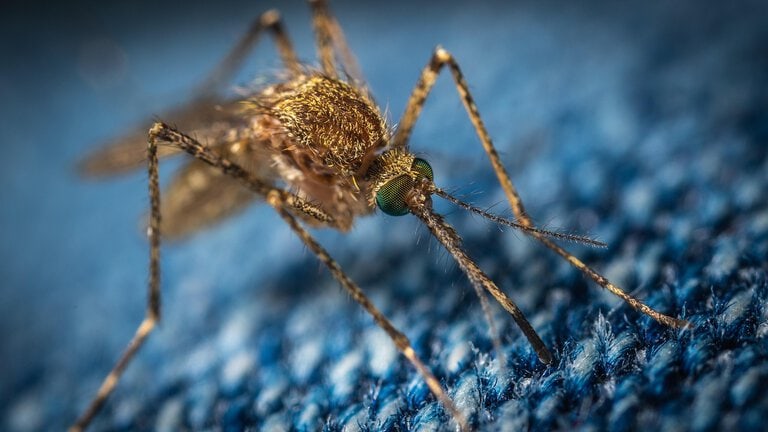
Winkler, Manitoba experienced a week with specific conditions that significantly influence local pest biology. With temperatures holding at 2.05°C (36°F) and an exceptionally high 97% humidity under cloudy skies, most insect activity remains suppressed, but these conditions are crucial for the survival of overwintering stages. For instance, mosquito species like the Northern House Mosquito (Culex pipiens) and various floodwater mosquitoes (e.g., Aedes vexans) are directly impacted. At 2.05°C, adult Culex pipiens remain in a state of diapause, typically in sheltered, cool, and damp locations such as basements or culverts, preventing any active flight or reproduction. Simultaneously, the eggs of Aedes species, which are known to withstand freezing, persist in dry basins or floodplains, waiting for spring inundation. The 97% humidity is particularly beneficial for both: for overwintering adult Culex, this high moisture content prevents desiccation during their dormant period, directly supporting their survival until warmer weather, as noted by research from the University of Wisconsin-Madison Extension. For Aedes eggs, while they are desiccation-resistant, consistent high humidity in their environment contributes to the overall stability of their habitat and prevents extreme environmental fluctuations that could compromise viability.
Beyond mosquitoes, common structural pests in Manitoba are also profoundly affected by these measured conditions. Boxelder Bugs (Boisea trivittata) and Cluster Flies (Pollenia rudis) are prime examples. At 2.05°C, these insects remain firmly in their overwintering aggregations within wall voids, attics, and other protected areas of homes and buildings. This temperature is too low to trigger their emergence but sufficiently mild to prevent lethal freezing, allowing them to conserve energy efficiently during diapause. According to entomologists at the University of Minnesota Extension, these insects prefer cool, dry conditions for overwintering indoors, but the high 97% outdoor humidity, while not directly impacting their preferred indoor microclimates, ensures that external environmental moisture levels are high. This ambient moisture can reduce the drying effects on building materials and potentially on insects in less protected overwintering sites, supporting their physiological needs during dormancy. If outdoor temperatures were to rise even slightly above this 2.05°C threshold, especially with direct sunlight instead of clouds, we might begin to see some premature indoor activity as these pests are “fooled” into thinking spring has arrived.
What to Do This Week in Winkler
As we navigate this early spring week in Winkler with temperatures just above freezing and high humidity, it’s the perfect time to get ahead of potential pest problems before they escalate. First, take advantage of the milder weather to inspect your home’s exterior, paying close attention to foundation cracks and gaps around utility lines. The high humidity we’re experiencing can make these tiny entry points attractive to moisture-loving pests like earwigs and even some species of spiders looking for warmer, drier indoor shelter as the ground thaws. Sealing these now with a good quality silicone caulk prevents them from becoming easy access points for all sorts of unwanted guests once insect activity truly picks up. Secondly, focus on managing moisture indoors. With 97% humidity outside, condensation can be a real issue inside, particularly in basements and crawl spaces – common in many Winkler homes. Ensure your dehumidifiers are running if needed and that bathroom and kitchen fans are used diligently during and after showering or cooking. Reducing indoor humidity makes your home far less appealing to moisture-seeking pests like silverfish, sowbugs, and even carpenter ants which thrive in damp wood.
Finally, for a proactive approach to pest control Winkler Manitoba homeowners can take, consider a quick check of your window and door screens. Even though it’s not full-blown bug season yet, tiny tears or gaps can allow overwintering pests that might be emerging early – like cluster flies or boxelder bugs – to find their way in. Repairing these now means you’re prepared for the influx of flying insects that will inevitably come with warmer weather. Also, with the ground just starting to thaw, ensure downspouts are clear and directing water at least 6 feet away from your foundation. This is crucial for preventing water pooling that attracts mosquitoes later on, and also for protecting your foundation from moisture damage that can lead to wood rot, a magnet for pests like termites and carpenter ants. By taking these simple steps, you’re building a strong defense against common household pests.
Frequently Asked Questions about Pest Activity in Winkler
What common pests should Winkler residents watch for in mid-March?
In mid-March, Winkler residents should primarily watch for overwintering pests like box elder bugs, cluster flies, and Asian lady beetles emerging from hibernation inside homes. Rodents, particularly mice, may also remain active, seeking warmth and food sources before outdoor conditions improve significantly.
When is the best time for preventative pest control in Winkler?
Early spring, before insect populations surge, is an ideal time for preventative measures. Sealing cracks and checking screens can deter pests. For comprehensive protection and tailored advice, contacting a local pest control Winkler Manitoba service ensures your home is well-prepared for the warmer months ahead.
Are homes in Winkler’s Southview area prone to specific spring pests?
Homes in Winkler’s Southview area, especially newer constructions, might experience increased rodent activity as surrounding natural habitats are disturbed. Additionally, early spring can bring common household pests like ants or spiders seeking shelter and food. Regular exterior inspections are recommended.
Despite a low bug risk, what are the primary concerns for Winkler homeowners this time of year?
Even with a low bug risk in mid-March, Winkler homeowners should still be vigilant for pests that overwintered indoors, such as ladybugs or stink bugs, becoming active. Mice and other rodents remain a concern, seeking food and warmth. Early detection prevents minor issues from escalating.
Protect Your Home in Winkler, Manitoba
Don’t let local bug activity catch you off guard. Visit our local store to get expert advice and the right supplies for your specific location.