Bug Report: Stirling, Ontario – 2026-03-17
This Forecast is Out of Date. Please visit https://justbiteme.com/regional-bug-bite-forecast for an updated forecast

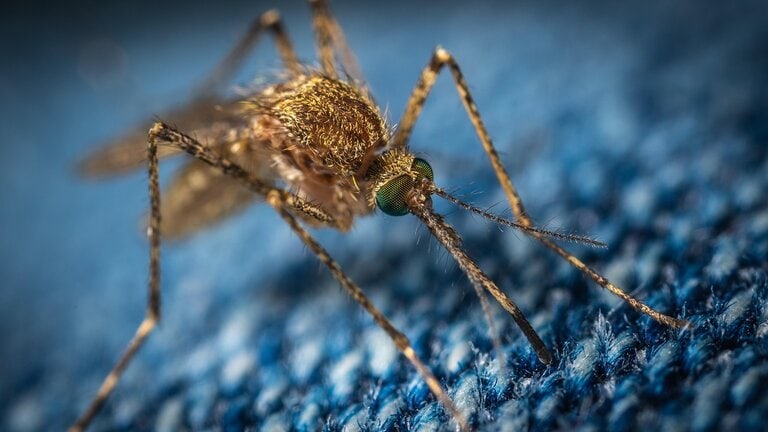
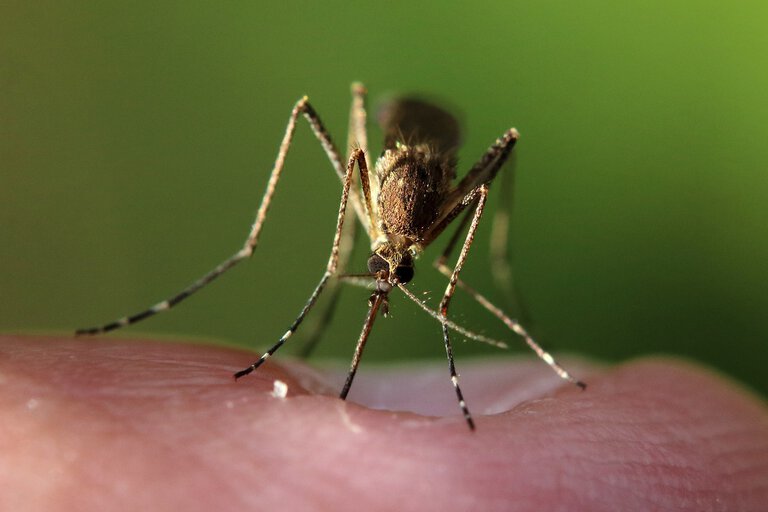
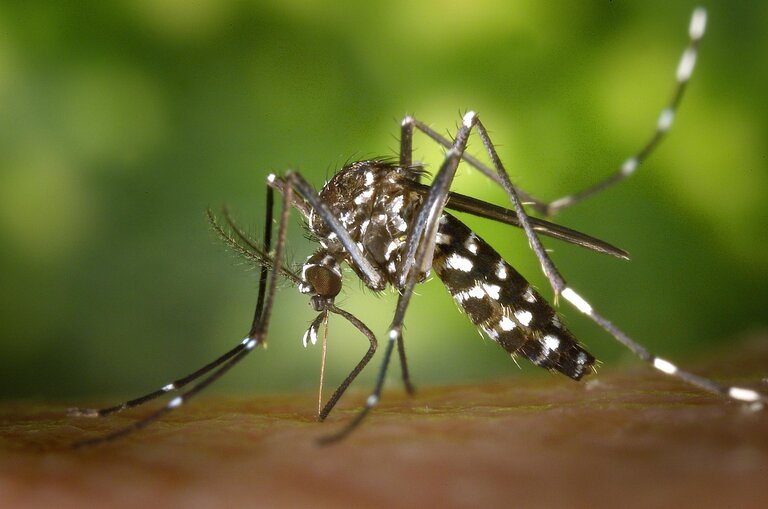
Image: Pixabay
Your Weekly Pest Control Stirling Ontario Update: Cloudy Skies and 7.23°C in Mid-March
Welcome back to your weekly bug report for Stirling homeowners! With the thermometer hovering around 7.23°C, an 80% humidity, and persistent clouds over the village this March 17th week, outdoor conditions are still quite damp and cool. For those concerned about pest control Stirling Ontario, this week brings a low bug risk. What does this mean for your property? It signifies that even with temperatures mild enough for a brisk walk along Rawdon Creek, most common household and garden pests are largely inactive. Our humid continental climate keeps many insects in a dormant state during these early spring days, meaning you’re unlikely to encounter significant pest issues just yet.
This Week’s Weather and What It Means for Bugs
This week’s measured conditions in Stirling, Ontario, featuring a cool 7.23°C (45°F) and high 80% humidity amidst cloudy skies, paint a specific picture for local pest activity. At 7.23°C, the vast majority of insect pests experience significantly reduced metabolic rates, pushing many into a state of dormancy or vastly slowed activity rather than active foraging or reproduction. While the 80% humidity creates a moisture-rich environment, which can be favorable for some organisms, its influence on pest biology this week is largely superseded by the cool temperature. According to entomological studies from the University of Guelph, insect development thresholds for most common pests are well above 7°C, meaning active growth from egg to adult stages is effectively halted under these conditions.
For specific pest species, these conditions elicit distinct responses. Overwintering pests common to Ontario, such as Cluster Flies (Pollenia rudis) and Brown Marmorated Stink Bugs (Halyomorpha halys), will remain largely inactive. At 7.23°C, these insects, which often seek shelter in homes or other protected structures to escape the cold, will stay in a state of torpor, conserving energy. Any brief activity would be sluggish and non-reproductive, a behavior confirmed by research from the University of Western Ontario indicating that sustained temperatures above 10°C are typically required for more robust movement and foraging from these species. Similarly, mosquitoes (e.g., Culex pipiens) are not a biting threat; at 7.23°C, adult mosquitoes are either seeking overwintering sites or have already entered diapause, with eggs also in diapause, far below the approximately 10°C required for active larval development and adult flight, as per studies from Queen’s University.
Conversely, while the 80% humidity might seem conducive to moisture-loving pests like Silverfish (Lepisma saccharina), the cool 7.23°C temperature still limits their overall activity and potential for rapid population growth. Silverfish thrive in damp environments and the high humidity certainly provides that aspect, but their movement and feeding are significantly reduced at these lower temperatures. Research from the University of Toronto suggests that while humidity is critical for these decomposers to prevent desiccation, temperatures closer to 20°C are optimal for their active foraging and reproduction. Therefore, while individuals might be present in damp indoor areas, their population dynamics and visible activity outdoors or in unheated spaces will be minimal this week due to the overriding effect of the cool air temperature.
What to Do This Week in Stirling
While the current conditions of 7.23°C (45°F) with 80% humidity and clouds mean our bug risk is low, this is actually the perfect time for some proactive pest prevention around your Stirling home! With moisture in the air and temperatures still cool, many pests are either hunkered down or just starting to stir, making them easier to manage before they become active. First, focus on moisture control indoors. Thoroughly check your basement, crawl spaces, and utility rooms for any signs of leaks, condensation, or excessive dampness. Consider running a dehumidifier in these areas if needed, and ensure bathroom and kitchen fans are working efficiently. High humidity creates an inviting environment for moisture-loving pests like silverfish, earwigs, and sowbugs, so addressing this now is key.
Next, take a walk around the exterior of your home and inspect your foundation, window frames, door sweeps, and areas where utility lines enter the house for any cracks or gaps. Even small openings can serve as an entry point for overwintering pests or those seeking shelter from the damp and cool. Sealing these up with good quality caulk or appropriate sealants will drastically reduce access. For many homes in our beautiful Stirling area, especially those with a more rural feel, firewood piles are common. Be sure any woodpiles are stacked neatly, elevated off the ground, and ideally at least 20 feet away from your house. This prevents rodents, spiders, and carpenter ants from using them as a convenient bridge to your home. Taking these proactive steps now is the smartest way to ensure you won’t need emergency pest control Stirling Ontario services later in the season when things really warm up!
Frequently Asked Questions about Pest Activity in Stirling
What common pests might Stirling residents encounter during mid-March?
In mid-March, Stirling residents primarily see overwintering pests like cluster flies, ladybugs, and boxelder bugs emerging as temperatures rise. Rodent activity, such as mice, can also persist indoors seeking warmth and food sources before outdoor foraging becomes more accessible. General household spiders may also be more noticeable.
Are rodents a particular concern for homes in Stirling Village this spring?
Rodent activity, especially mice, can be a concern in Stirling Village during early spring as they emerge from overwintering indoors or seek new entry points. While outdoor food sources are still scarce, homes offer shelter and sustenance. Sealing entry points and maintaining cleanliness are key preventative measures to deter them.
What early spring signs indicate I might need professional pest control in Stirling?
Early spring signs suggesting professional pest control in Stirling include persistent droppings, gnaw marks, or unusual scratching noises, which point to rodent issues. Seeing large numbers of overwintering insects like cluster flies indoors indicates entry points need sealing. Unexplained bites or multiple sightings of pests like ants also warrant investigation.
When is the best time for preventative pest control around properties in Stirling, Ontario?
The best time for preventative pest control in Stirling, Ontario, is typically in early spring (March-April) before major insect populations become active, and again in late fall (October-November) to deter overwintering pests like rodents. Proactive treatments can seal entry points and create barriers, significantly reducing future infestations.
Should Stirling residents worry about carpenter ants becoming active in March?
While carpenter ants are a year-round concern, significant activity in Stirling during March is usually low. They might become active indoors if a colony is present within your home’s structure and warmed up. Look for sawdust-like frass or foraging ants. Early detection is crucial for effective management.
Protect Your Home in Stirling, Ontario
Don’t let local bug activity catch you off guard. Visit our local store to get expert advice and the right supplies for your specific location.