Bug Report: Walkerton, Ontario – 2026-03-18
This Forecast is Out of Date. Please visit https://justbiteme.com/regional-bug-bite-forecast for an updated forecast

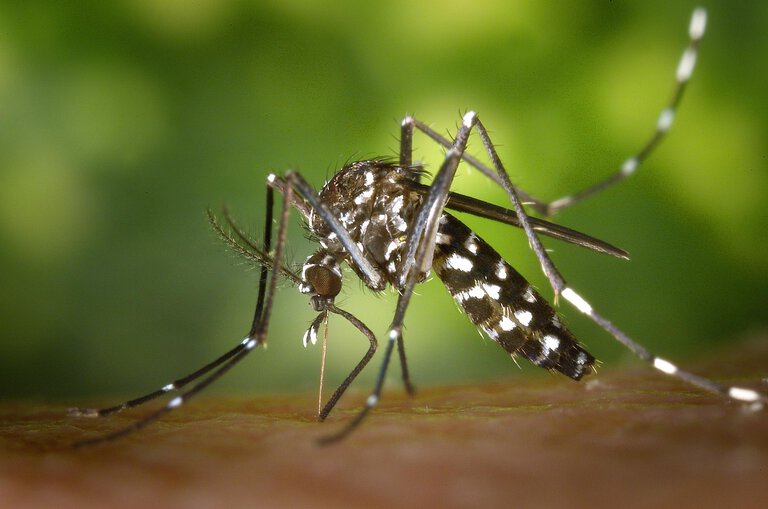
Image: Pixabay
Your Weekly Pest Control Walkerton Ontario Update: Mid-March’s Cloudy & Humid Outlook
As we navigate mid-March here in Walkerton, with the thermometer just barely nudging above freezing at 0.51°C and a full 100% humidity under cloudy skies, many of us are still thinking about indoor comfort. This week, our focus for pest control Walkerton Ontario continues to be on prevention and understanding the subtle shifts as winter tries to hold on. While you might be noticing the river banks along the Saugeen still quite quiet, these consistent cold and damp conditions mean most pests are staying put, often seeking refuge in our homes, rather than venturing out into the open.
For the week of March 18th, I’m happy to report a **Low bug risk level** for our community. This means that while some overwintering pests might still be active indoors, outdoor pest activity is minimal due to the cold, damp conditions characteristic of our humid continental climate here in Southwestern Ontario. Homeowners should use this quiet period for thorough indoor inspections rather than expecting a sudden outdoor invasion.
This Week’s Weather and What It Means for Bugs
This week’s conditions in Walkerton, Ontario, with a temperature of 0.51°C (33°F) and 100% humidity under cloudy skies, significantly impact pest biology by pushing most insect species into a state of dormancy or very low activity. At just above freezing, metabolic rates for poikilothermic (cold-blooded) organisms like insects are drastically reduced, hindering development, reproduction, and active foraging. The accompanying 100% humidity, while preventing desiccation for any exposed organisms, also means very damp conditions that reinforce the need for pests to seek dry, sheltered overwintering sites to avoid direct exposure to the cold, moisture, and potential for freezing if temperatures dip further.
For specific pests, these conditions translate into distinct biological responses. Take the Asian Lady Beetle (Harmonia axyridis), a common overwintering pest; at precisely 0.51°C, these insects will remain in a state of diapause or torpor within sheltered structures, such as attics or wall voids. According to research from the University of Guelph, sustained temperatures near freezing effectively halt their metabolism, preventing activity until warmer conditions prevail. The 100% outdoor humidity further emphasizes the necessity for these beetles to remain in dry, protected indoor environments to survive the season. Similarly, Pavement Ant (Tetramorium caespitum) colonies would be largely inactive. At 0.51°C, these ants enter a state of greatly reduced activity deep within their subterranean nests, where temperatures are more stable. Research from the University of Toronto indicates that such low temperatures cause a significant drop in metabolic rate, leading to virtual cessation of foraging and reproductive activities outside the colony. The 100% humidity primarily affects the soil surrounding their nests, but their deep nesting sites offer protection from these surface conditions.
Another pest affected by these marginal conditions is the Blacklegged Tick (Ixodes scapularis). While often considered active at temperatures above 0°C, at precisely 0.51°C, their questing activity (seeking hosts) would be severely limited, with most individuals remaining in leaf litter or other sheltered microclimates. However, the 100% humidity is crucial for their survival. According to studies from the University of Rhode Island, high environmental humidity significantly reduces the risk of desiccation, which is a major mortality factor for ticks. This 100% humidity at 0.51°C allows them to maintain physiological integrity and survive in their overwintering sites, even if they are not actively questing or moving extensively.
What to Do This Week in Walkerton
With conditions hovering just above freezing at 0.51°C (33°F) and 100% humidity this week in Walkerton, proactively addressing moisture is absolutely essential, even with our current low bug risk. While most pests are still dormant, the dampness can create prime conditions for future activity or attract pests seeking shelter.
Your first step this week should be to thoroughly inspect your home’s foundation and basement walls for any signs of dampness, condensation, or small cracks. Given Walkerton’s blend of older homes and varying foundation types, these areas are particularly susceptible to moisture accumulation as temperatures fluctuate and any lingering snow melts. High humidity combined with cooler temperatures creates condensation, an open invitation for moisture-loving pests like silverfish and centipedes, and can even attract rodents seeking water. Addressing these vulnerabilities now is crucial.
Secondly, ensure your downspouts are properly extended and directing water well away from your foundation. With such high humidity and potential for any melting precipitation, pooling water near your home can quickly seep into the ground or directly into cracks, inviting a host of pests.
Finally, take a moment to inspect unheated attic spaces and crawl spaces for condensation or early signs of pest activity. These often-overlooked areas can become damp havens, perfect for overwintering pests or early-season rodents looking for shelter from the cool, wet outdoors. For effective pest control Walkerton Ontario, these simple, proactive steps taken this week can make a significant difference in preventing unwanted guests as spring progresses.
Frequently Asked Questions about Pest Activity in Walkerton
What common pests should Walkerton residents be aware of in early spring?
In early spring (March), Walkerton often sees overwintering pests like cluster flies, box elder bugs, and lady beetles emerging. Rodents, such as mice, might also still be seeking warmth indoors. While overall bug risk is low, these pests can become noticeable as temperatures fluctuate and they seek exits or new food sources.
Is rodent activity a significant concern for homes in Walkerton this time of year?
While the general bug risk is low, rodent activity can persist in Walkerton during early spring. Mice and rats often seek shelter from fluctuating temperatures, making homes attractive. Residents should seal entry points, store food properly, and monitor for droppings. Proactive measures can prevent infestations before they become severe.
I’ve seen carpenter ants near my property; what should I do in Walkerton?
If you’re seeing carpenter ants in Walkerton, especially in March, it could indicate an overwintering colony becoming active. These ants can cause structural damage to wood. It’s best to contact professional **pest control Walkerton Ontario** services for an inspection. Early detection and treatment are crucial to prevent further issues and protect your home.
Do areas near the Saugeen River in Walkerton experience unique pest challenges?
Properties close to the Saugeen River in Walkerton can sometimes experience increased moisture-loving pests like mosquitoes, midges, and certain types of ants during warmer months. In early spring, however, the primary concern might still be overwintering pests seeking shelter, though moisture levels could attract early termite activity if conditions are right.
What preventative pest control steps can Walkerton residents take given the current low bug risk?
Even with low bug risk, Walkerton residents can take proactive steps. Seal cracks and openings around foundations and windows, ensure proper drainage, and keep basements dry. Store food in airtight containers and regularly clean up crumbs. These measures deter pests from seeking entry as temperatures begin to rise with spring approaching.
Protect Your Home in Walkerton, Ontario
Don’t let local bug activity catch you off guard. Visit our local store to get expert advice and the right supplies for your specific location.