Bug Report: Killam, Alberta – 2026-03-17
This Forecast is Out of Date. Please visit https://justbiteme.com/regional-bug-bite-forecast for an updated forecast

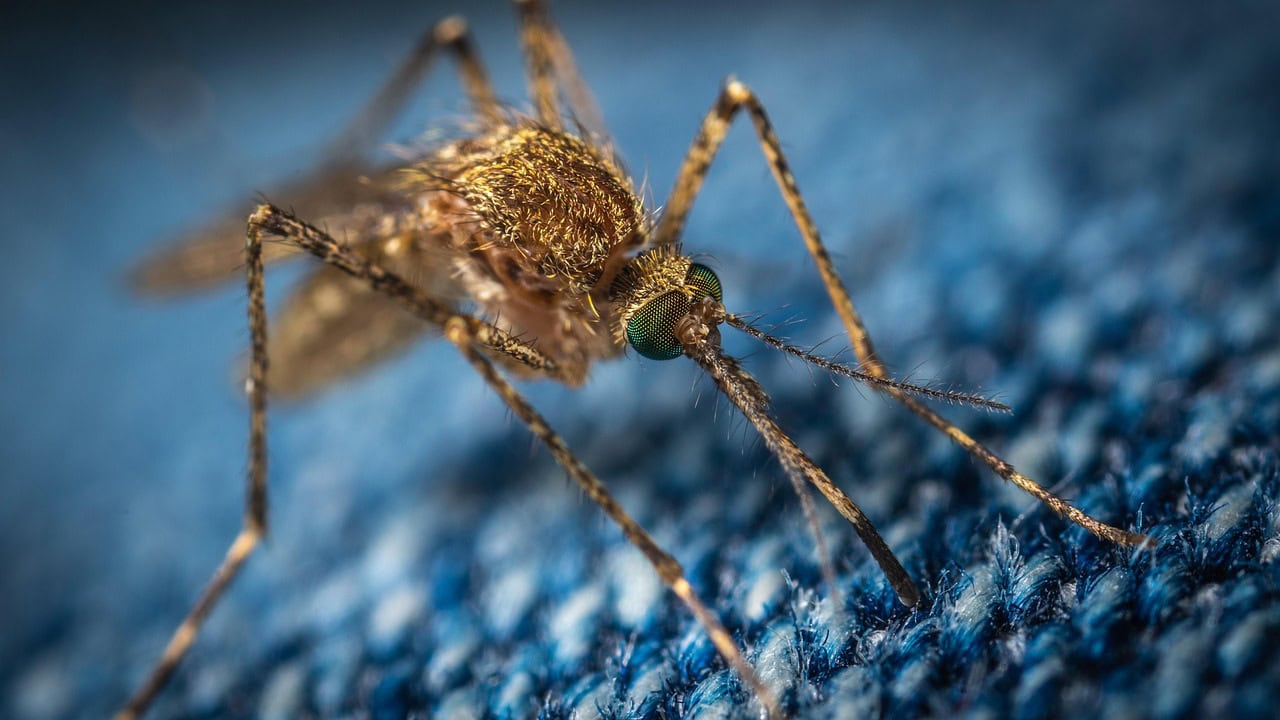
Image: Pixabay
Your Weekly Pest Control Killam Alberta Report: Cloudy Skies & 2.1°C
Welcome to another weekly update from your local pest control Killam Alberta expert. With the temperature hovering at a cool 2.1°C and high humidity under cloudy skies this week, the overall bug risk for homeowners across our prairie landscape is thankfully quite low. This means that while you might be thinking about upcoming spring activities, perhaps a stroll past the Killam Centennial Park or preparing for the next ice season at the arena, the immediate threat from most common household pests remains minimal. For residents in Killam, a ‘low risk’ week like this suggests that most outdoor insect activity is still largely dormant, allowing us to focus on preventative measures rather than reactive treatments.
This Week’s Weather and What It Means for Bugs
This week’s measured conditions in Killam, Alberta, present a challenging environment for most insect activity. At a brisk 2.1°C (36°F), the vast majority of local pest species are either in a state of diapause or severely limited in their metabolic activity. According to entomological research from institutions like the University of Alberta, temperatures consistently below 5°C (41°F) effectively halt the development and reproduction cycles of many temperate insects, including common household pests. The near-saturated 98% humidity, while typically beneficial for some moisture-loving insects, is largely counteracted by the low temperature, preventing significant outdoor foraging or flight. Instead, these conditions primarily influence the survival strategies of pests already in overwintering stages or seeking refuge indoors.
For pests such as the Western Conifer Seed Bug (Leptoglossus occidentalis) and Cluster Flies (Pollenia rudis), the 2.1°C temperature ensures they remain largely dormant within sheltered areas like attics, wall voids, and basements. Research from the University of Manitoba highlights that these species enter a state of torpor during colder months, conserving energy and ceasing feeding or reproduction. At 2.1°C, their activity levels would be minimal, if any, even if disturbed. The 98% humidity, when present in their overwintering sites, can help prevent desiccation, contributing to their survival until warmer temperatures arrive. However, sustained high humidity in poorly ventilated spaces could also indirectly foster mold growth, which some pests might utilize as a food source or indicate an environment conducive to other moisture-seeking organisms.
Conversely, the high humidity provides a more direct benefit to certain micro-arthropods. Springtails (Class Collembola), for instance, are highly susceptible to desiccation due to their thin exoskeletons and small size. According to studies from the University of British Columbia, many springtail species thrive in environments with relative humidity above 90%. While the 2.1°C temperature will undoubtedly reduce their overall activity and metabolic rate, the 98% humidity ensures that moisture-rich microhabitats remain available, allowing them to persist and slowly forage on fungi and decaying organic matter in damp soil or indoor environments like basements and crawl spaces, albeit at a significantly reduced pace compared to warmer conditions.
What to Do This Week in Killam
Greetings, Killam neighbours! This week, with our temperatures hovering just above freezing at 2.1°C and that significant 98% humidity, it’s a prime time for proactive pest prevention, even with the bug risk being low. Pests like rodents and overwintering insects are still actively seeking warmth and shelter indoors. We recommend taking a thorough look around your home’s exterior for any small cracks or gaps – think around utility lines, window frames, and door sweeps. Sealing these entry points now with good quality caulk or steel wool prevents these critters from making your cozy home their own as they search for refuge from the damp, chilly conditions outside. It’s all about staying a step ahead, and effective pest control Killam Alberta starts with a strong defense perimeter.
Furthermore, that high humidity means moisture can be a silent attractant for a variety of pests. Take a moment to inspect basements, crawl spaces (common in many Killam homes!), and under sinks for any signs of condensation or minor leaks. Addressing these moisture sources immediately helps deter silverfish, earwigs, and even certain types of ants. Outside, given our cloudy conditions, any lingering leaf litter, woodpiles, or garden debris piled close to your foundation will stay damp and provide ideal harborage for rodents and other insects. Clearing these areas just a few feet away from your home’s perimeter will significantly reduce potential hiding spots, making your property much less inviting as we slowly transition towards spring.
Frequently Asked Questions about Pest Activity in Killam
What common pests are residents of Killam, Alberta, likely to encounter in mid-March?
In mid-March, Killam residents might observe overwintering pests like cluster flies or common house spiders emerging as temperatures fluctuate. While the overall bug risk is low, rodents such as mice may still seek indoor shelter and food sources. It’s a time for general vigilance, especially around warmer areas of your home.
Are specific residential areas near the Killam Agri-Plex more prone to certain pest issues?
Residential areas near community facilities like the Killam Agri-Plex can sometimes see increased rodent activity, attracted by potential food waste or shelter. Additionally, early season ants might be more noticeable if food sources are readily available. Maintaining clean outdoor spaces and securing waste bins is crucial for prevention in these areas.
What preventative steps can Killam homeowners take to minimize pest problems this spring?
Killam homeowners should seal any cracks or gaps in foundations and around windows/doors to prevent entry. Ensure food is stored in airtight containers and keep your home tidy. Regular outdoor maintenance, like clearing debris, also helps. For persistent or larger infestations, consulting a professional for effective pest control Killam Alberta services is highly recommended.
How should I address common household spiders or mice found indoors during the early spring in Killam?
For common household spiders in Killam, simple vacuuming or direct removal is usually sufficient. For mice, snap traps or live traps are effective for small infestations. Always wear gloves when handling pests. If you notice signs of a larger rodent population, or if spiders are a recurring problem, professional assessment can identify the source and provide targeted solutions.
Does the recent mild weather in Killam affect early spring pest activity?
Mild weather in Killam can indeed influence early spring pest activity. While the overall risk remains low, warmer days might prompt some overwintering insects like boxelder bugs or cluster flies to become active sooner. It can also encourage early foraging by rodents. However, colder nights typically keep major outdoor pest populations in check until consistent warmth arrives.
Protect Your Home in Killam, Alberta
Don’t let local bug activity catch you off guard. Visit our local store to get expert advice and the right supplies for your specific location.