Bug Report: Valley, Nebraska – 2026-03-17
This Forecast is Out of Date. Please visit https://justbiteme.com/regional-bug-bite-forecast for an updated forecast

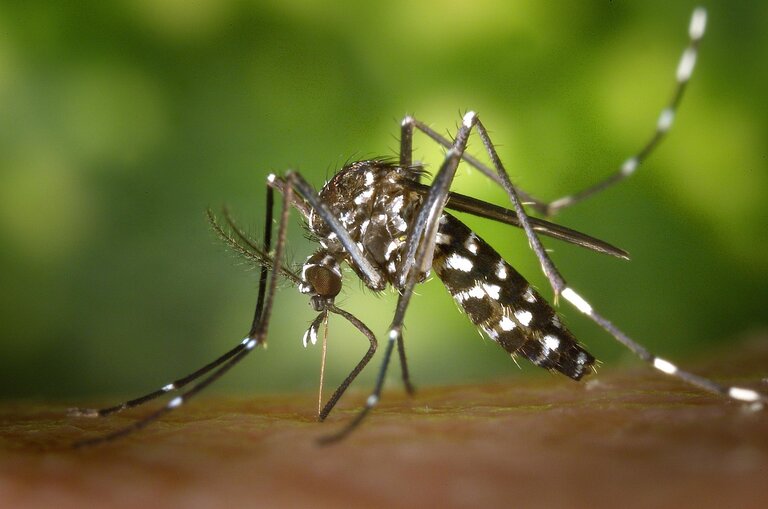
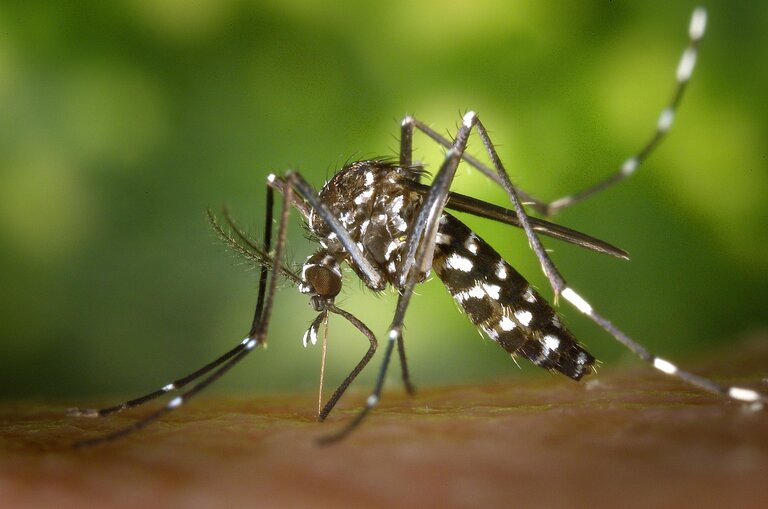
Image: Pixabay
Pest Control Valley Nebraska Update: Cloudy & Chilly for March 17, 2026
Welcome back, Valley neighbors! As your local expert for pest control Valley Nebraska, I’m here to give you the rundown for the week of March 17, 2026. With temperatures hovering around 1.89°C (35°F) under cloudy, humid skies (88%), we’re still deep in the lingering chill of our Nebraska prairie winter. This means our overall bug risk level for Valley homes, from near the Elkhorn River to those closer to Highway 275, remains refreshingly low. A low risk indicates that most pests are still in dormancy or significantly less active, giving homeowners a bit of a breather before spring truly kicks in.
This Week’s Weather and What It Means for Bugs
Valley, Nebraska’s recent weather, characterized by a chilly 1.89°C (35°F) temperature, high 88% humidity, and cloudy skies, significantly impacts the activity and survival strategies of local pest populations. At 1.89°C (35°F), the vast majority of cold-blooded insects experience a dramatic slowdown in their metabolic processes, often entering a state of diapause or dormancy to conserve energy and survive the cold. For common nuisance pests like the Boxelder Bug (Boisea trivittata) and the Multicolored Asian Lady Beetle (Harmonia axyridis), this temperature is well below their active foraging and reproductive thresholds. According to research from the University of Nebraska-Lincoln, temperatures consistently below 7°C (45°F) compel these overwintering pests to remain in sheltered, often indoor, locations, limiting their outdoor movement and preventing any emergent activity, thereby reducing new infestations or outdoor sightings.
The elevated 88% humidity, combined with the low temperature, plays a crucial role in the survival of these dormant pests. While it may not directly stimulate activity at 1.89°C (35°F), high humidity helps prevent desiccation, a significant threat to insects in diapause. A study from Iowa State University indicates that environments with high ambient moisture, such as the observed 88% humidity, can improve the overwintering success of insects by reducing water loss from their bodies, allowing them to persist through colder periods. This ensures that a healthy population survives to emerge when warmer temperatures arrive.
For outdoor-dwelling pests such as the Pavement Ant (Tetramorium caespitum), the 1.89°C (35°F) temperature effectively halts all external foraging and nest expansion. Pavement ants, like most ant species in temperate zones, become inactive below approximately 10°C (50°F), retreating deep into their subterranean nests where temperatures are more stable. The cloudy conditions further contribute to stable, cold outdoor temperatures by preventing direct solar warming of surfaces, keeping the ground consistently cool. This combination of factors ensures that while pests like ants are not active threats at this time, they are securely overwintering, poised to re-emerge once Valley, Nebraska experiences a sustained period of warmer weather.
What to Do This Week in Valley
Howdy, Valley neighbors! With temperatures hovering right around freezing at 35°F and that typical March cloud cover, most bugs aren’t out and about. But don’t let the low bug risk fool ya; this is prime time for critters to seek warmth indoors! This week, we recommend focusing on sealing up any potential entry points. First off, take a stroll around your home’s exterior and carefully inspect your foundation and siding for any cracks, gaps, or openings, especially where utility lines (like cables or pipes) enter the house. Many homes in Valley, new and old, can develop small gaps over time, and even a tiny opening is an invitation for mice or overwintering insects like box elder bugs looking for a cozy hideout from the cold.
Second, give your door and window weather stripping and sweeps a good once-over. Cold temperatures can make these materials less effective, creating subtle gaps where spiders or other pests might slip in. Replacing worn-out seals now will prevent unwanted guests from finding refuge indoors. Finally, while it’s cold outside, high indoor humidity from leaks can still attract pests. Check under sinks, around water heaters, and in your basement or crawl space for any drips or condensation. Addressing these small moisture issues now is key to preventing moisture-loving pests like silverfish. Taking these proactive steps is a smart part of effective pest control Valley Nebraska homeowners can implement to keep their homes comfortable and pest-free all year long.
Frequently Asked Questions about Pest Activity in Valley
What common pests might Valley residents see in mid-March?
Even with low bug risk, residents might still encounter overwintering pests like boxelder bugs or Asian lady beetles seeking warmth, or rodents trying to find food indoors. Spiders can also be active year-round. It’s a good time to seal entry points around your home.
Are homes in Valley View Estates more prone to specific pest issues this time of year?
Homes in areas like Valley View Estates, often surrounded by green spaces, might see increased rodent activity or occasional invaders seeking shelter from fluctuating March temperatures. Ensuring proper sealing and yard maintenance helps mitigate these common issues for residents.
When is the best time for preventative pest control in Valley, Nebraska?
Proactive pest control in Valley, Nebraska is beneficial year-round, but early spring (March-April) is ideal for establishing barriers before peak activity. Addressing potential entry points now can significantly reduce issues with ants, spiders, and other seasonal pests later in the year.
With a low bug risk for Valley, should I still be concerned about pests?
While the overall bug risk is low, it doesn’t mean zero. Pests like mice, spiders, or dormant overwintering insects can still emerge or seek shelter indoors. Regular inspections and sealing cracks are always recommended to prevent potential infestations from taking hold.
Protect Your Home in Valley, Nebraska
Don’t let local bug activity catch you off guard. Visit our local store to get expert advice and the right supplies for your specific location.