Bug Report: Orange Park, Florida – 2026-03-17
This Forecast is Out of Date. Please visit https://justbiteme.com/regional-bug-bite-forecast for an updated forecast

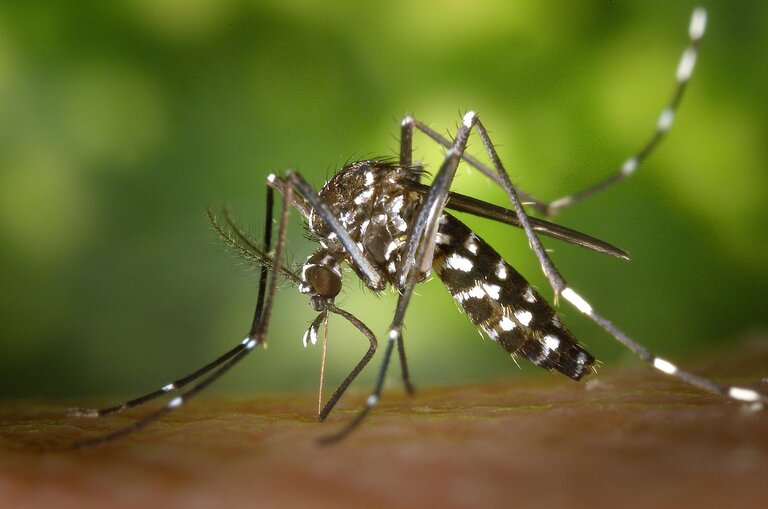
Image: Pixabay
Your Weekly Bug Report for Pest Control Orange Park Florida: Chilly & Wet Conditions Prevail
Welcome back to your weekly bug report, Orange Park residents! This week, we’re seeing some unusually frigid temperatures for mid-March, with the thermometer dipping to a chilly 36°F (2.03°C) coupled with 87% humidity and persistent rain. For effective pest control Orange Park Florida, understanding these conditions is key. While many of us might be cozying up indoors, perhaps planning a visit to the Orange Park Mall or enjoying a quiet moment by Doctors Lake, our local pests are also seeking refuge from this unusual cold snap. This week, I’m happy to report a Low bug risk level, meaning outdoor pest activity is significantly reduced, and you’re less likely to encounter common nuisances actively foraging. Even in our typical humid South climate, these colder temperatures push pests into dormancy or deeper hiding.
This Week’s Weather and What It Means for Bugs
This week’s measured conditions in Orange Park, Florida, presented a stark contrast to our usual mild climate, with temperatures dropping to a brisk 2.03°C (36°F) coupled with 87% humidity and rain. These specific numbers are crucial for understanding pest biology, as most subtropical insect populations are highly sensitive to thermal fluctuations. At 36°F, many common pests enter states of reduced activity, dormancy, or face significant mortality. According to research from the University of Florida’s Institute of Food and Agricultural Sciences (UF/IFAS), temperatures at or near freezing can halt the development and activity of numerous pest species, driving them to seek deep shelter or initiating overwintering behaviors. The high 87% humidity, while typically favorable for many insects, in this cold context primarily helps prevent desiccation for those seeking refuge, rather than encouraging outdoor foraging or breeding.
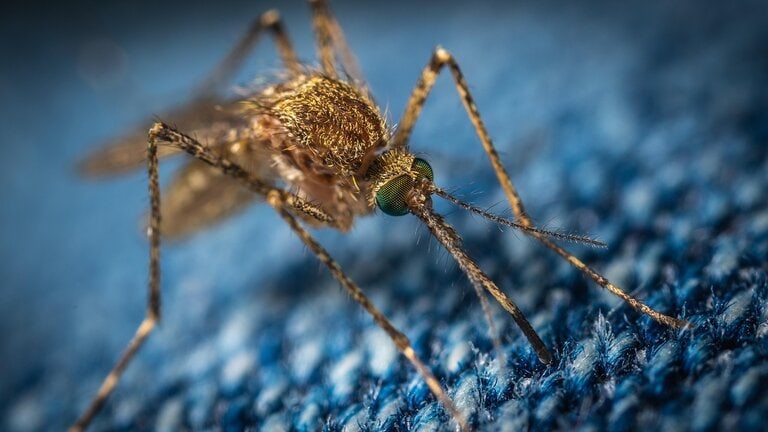
For specific pests, these conditions have a pronounced effect. Take mosquitoes, such as the Southern House Mosquito (Culex quinquefasciatus); adult activity effectively ceases when temperatures fall to 2.03°C (36°F). While the 87% humidity and rain might normally encourage breeding, at this cold temperature, any standing water would be too cold for larval development, and adults would be inactive, seeking warmth and shelter to survive. According to studies from the Florida Medical Entomology Laboratory, sustained temperatures below 10°C (50°F) drastically reduce mosquito metabolic rates and survival, making 36°F particularly impactful. Similarly, subterranean termites, like the Eastern Subterranean Termite (Reticulitermes flavipes), are highly affected. While living underground offers some thermal buffering, the external ground temperature being 36°F means foraging activity near the surface would largely halt. Research from university entomology departments indicates that termite foraging significantly decreases below 10°C (50°F) and virtually stops when soil temperatures approach 4°C (40°F), reinforcing their colonies deeper underground where moisture from the 87% humidity and rain can still penetrate, but at more stable, albeit colder, temperatures.
Another common pest, the American Cockroach (Periplaneta americana), also experiences significant stress under these conditions. As a primarily outdoor and peridomestic pest in Florida, exposure to 2.03°C (36°F) temperatures is highly detrimental. According to entomological findings from major universities, American cockroaches become sluggish and eventually succumb to prolonged exposure to temperatures below 7°C (45°F). The 87% humidity and rain, while normally preferred, will not mitigate the severe impact of the cold, instead driving these cockroaches to seek refuge aggressively inside warm structures, sewers, or deep wall voids to escape the lethal outdoor environment. Therefore, while outdoor pest activity is significantly suppressed by this cold snap, homeowners should be vigilant for increased pest pressures indoors as these resilient creatures seek warmth and survival.
What to Do This Week in Orange Park
With temperatures dropping to a chilly 2.03°C (36°F) and rain moving in, this week is all about keeping warm-seeking pests out of your Orange Park home. Our top priority is sealing up any potential entry points. Take a walk around your home, both inside and out, and pay close attention to gaps around window frames, door sweeps, utility lines entering your house, and any cracks in the foundation or siding. Even small openings can be an invitation for rodents, spiders, and other overwintering insects looking for shelter from the cold and damp. Remember, prevention now can save you a headache later!
Given the high 87% humidity and persistent rain, managing moisture inside your home is also crucial. Check under sinks, around water heaters, and in laundry areas for any leaks or excessive dampness. Ensure your exhaust fans are functioning properly in bathrooms and kitchens. For homes here in Orange Park, Florida, pay special attention to screened lanais or porches; while great for enjoying our weather, they can sometimes have small gaps where they meet the main structure, allowing pests seeking refuge to sneak into your warmer living spaces. If you’re encountering persistent issues, a professional consultation for pest control Orange Park Florida can provide targeted solutions to protect your property.
Frequently Asked Questions about Pest Activity in Orange Park
What pests are most active in Orange Park, Florida during March?
During March in Orange Park, you might start noticing increased activity from ants, especially after warmer days. Occasional spiders may also become more visible indoors. Mosquito activity is typically low but begins to pick up near standing water as temperatures rise. While overall bug risk is low, vigilance around common entry points is always recommended for homeowners.
Are there any specific pest concerns for homes in the Oakleaf Plantation area of Orange Park?
Residents in Oakleaf Plantation, due to its proximity to natural areas, might encounter ants and occasional rodents more frequently. Early spring is also a time to be aware of potential termite activity as swarming season approaches. Regular inspections and sealing home perimeters are particularly beneficial for homes bordering undeveloped land to prevent intrusions.
What preventative measures can Orange Park residents take against pests in early spring?
To minimize pest issues in Orange Park during early spring, focus on sealing cracks and gaps around your home’s foundation and windows. Eliminate standing water to deter mosquitoes. Trim back shrubs and trees from your home’s exterior, and ensure food is stored in airtight containers. These steps significantly reduce potential entry points and attractants.
When should I consider professional pest control services in Orange Park, Florida?
Even with the current low bug risk in March, if you observe persistent pest activity like multiple ant trails indoors, signs of roaches, or suspect termite presence, it’s time to act. Early intervention is key. For comprehensive protection and peace of mind, contacting a local company for pest control Orange Park Florida services can effectively address and prevent future infestations.
Protect Your Home in Orange Park, Florida
Don’t let local bug activity catch you off guard. Visit our local store to get expert advice and the right supplies for your specific location.