Bug Report: Stirling, Ontario – 2026-03-17
This Forecast is Out of Date. Please visit https://justbiteme.com/regional-bug-bite-forecast for an updated forecast

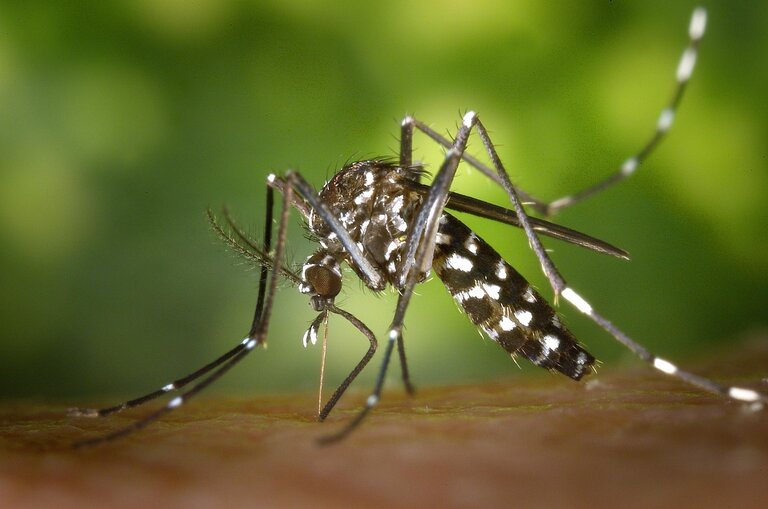
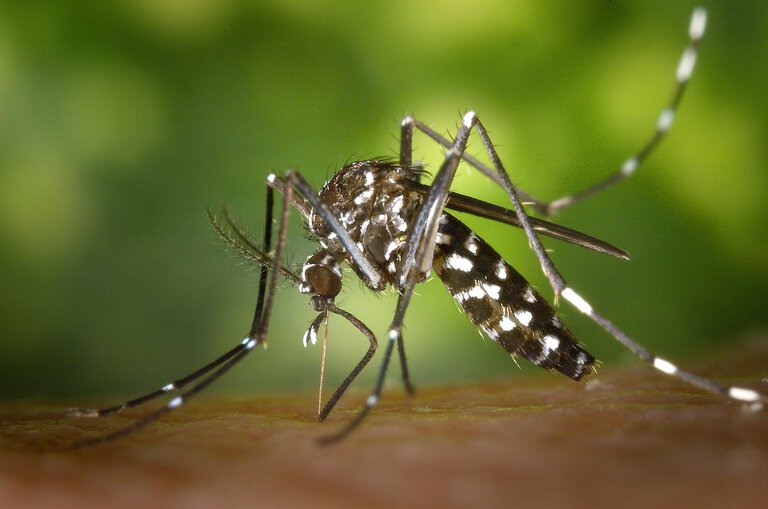
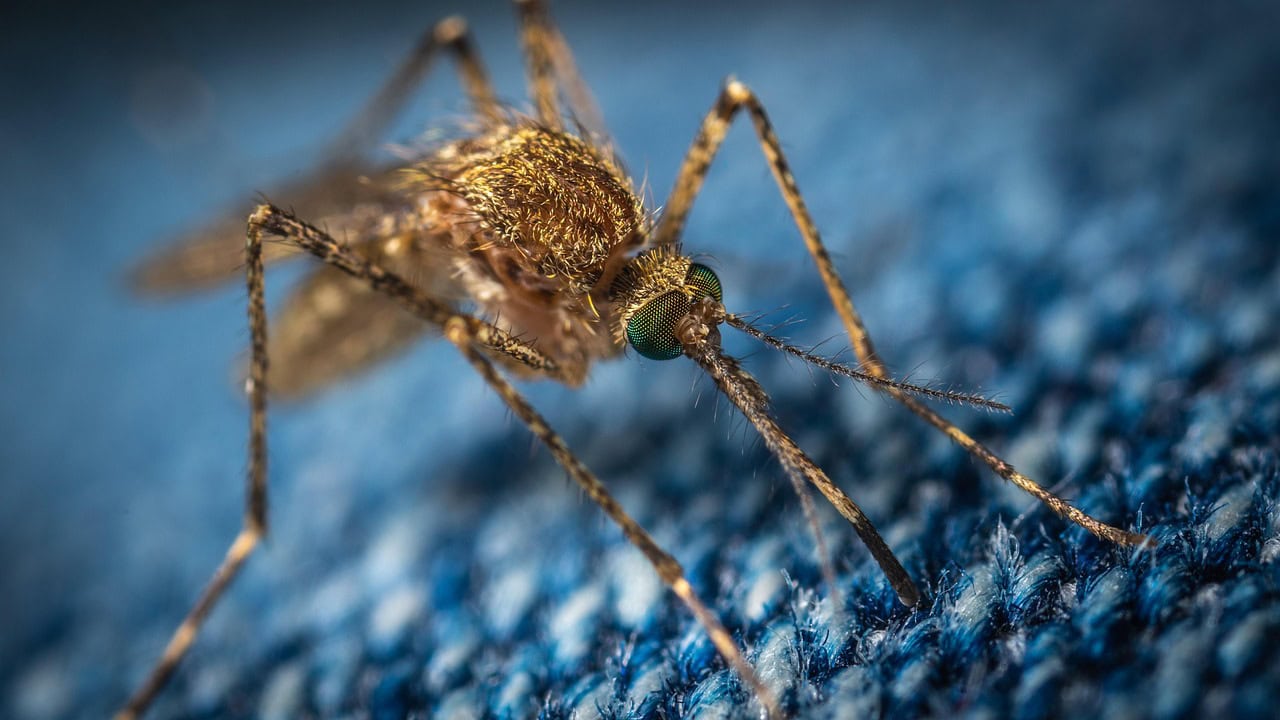
Image: Pixabay
Pest Control Stirling Ontario: Your Weekly Bug Report for Clear 9.71°C Days
Welcome back, Stirling homeowners! For expert pest control Stirling Ontario, we’re here with your latest local update. This week, as clear skies bless us and temperatures nudge 9.71°C (49°F) with 65% humidity, we’re seeing very low pest activity. Even around the Rawdon Creek area, where overwintering pests like cluster flies or boxelder bugs might typically start to stir, conditions are still largely keeping them dormant. This low risk level means you likely won’t encounter significant infestations outdoors or indoors just yet, which is typical for our humid continental climate in early spring.
This Week’s Weather and What It Means for Bugs
The measured conditions this week in Stirling, Ontario, with a temperature of 9.71°C (49°F), 65% humidity, and clear skies, create a nuanced environment for local pest biology. While this temperature is comfortably above freezing, it remains too cool for the rapid development or peak activity of most warm-weather insect pests. However, it is precisely within the range that can prompt increased metabolic rates and initial emergence for many species that have been overwintering. The moderate 65% humidity is generally favorable, preventing desiccation for active arthropods, while clear conditions allow for solar radiation to warm localized microclimates, such as dark surfaces or south-facing walls, further influencing pest behavior even if the ambient air remains cool.
These specific conditions directly impact several prevalent pest species. For instance, **Boxelder Bugs** (*Boisea trivittata*) and **Cluster Flies** (*Pollenia rudis*) are often roused from their overwintering sites within attics and wall voids by sustained temperatures around 9.71°C. According to research from the University of Guelph, temperatures consistently above 7°C (45°F) are a significant trigger for these nuisance pests to become active, leading them to emerge both outdoors and, occasionally, indoors if disoriented. Similarly, **Blacklegged Ticks** (*Ixodes scapularis*), a key vector for Lyme disease, are known to be active even at temperatures above 4°C (40°F); therefore, the 9.71°C observed, combined with 65% humidity, means these arachnids are actively questing for hosts in wooded and grassy areas. Studies from the Public Health Agency of Canada on tick ecology in Ontario confirm that clear, moderate conditions at these temperatures encourage tick mobility and host-seeking behavior, making vigilance crucial for residents even in early spring.
What to Do This Week in Stirling
As we ease into mid-March with clear skies and temperatures just shy of 10°C, it’s the perfect time to get ahead of the curve with pest prevention. This week, we highly recommend inspecting the exterior of your home for any small cracks or gaps. Pay close attention around window frames, door sweeps, and especially your foundation. With the ground thawing and temperatures slowly rising, overwintering pests like cluster flies and lady beetles will soon be looking for a way out, and early spring scouts like ants might be seeking new food sources. Many charming older homes throughout Stirling, Ontario, boast unique character, but their foundations and exteriors can develop subtle openings over time, making them prime entry points for unwanted guests.
Next, take advantage of the clear weather to do a thorough outdoor clean-up. Rake up any remaining leaf litter, fallen branches, or winter debris near your home’s foundation, as these provide excellent harborage for spiders, rodents, and other creepy crawlies. Don’t forget to check and clear your gutters of any lingering leaves or ice build-up; preventing water accumulation now will save you headaches from mosquitoes and potential wood damage later. Finally, with the ground thawing, make a quick trip to your basement or crawlspace to check for any signs of dampness or leaks. Excess moisture attracts silverfish, centipedes, and even carpenter ants. Being proactive now can prevent bigger pest problems down the line, ensuring you won’t need emergency pest control Stirling Ontario services as the season progresses.
Frequently Asked Questions about Pest Activity in Stirling
What common pests should Stirling residents watch for in mid-March?
In mid-March, Stirling residents should be vigilant for overwintering pests like cluster flies and box elder bugs emerging indoors as temperatures rise. Rodents, seeking food and shelter after winter, can also be active. Early signs of carpenter ants or moisture-seeking pests like silverfish might appear, especially in damp basements or crawl spaces.
Do homes in Stirling Village face unique pest challenges as spring approaches?
Properties within Stirling Village, particularly older homes, can experience rodent activity as they seek new food sources. Early carpenter ant forays might also begin from nearby woodlots. Maintaining proper sanitation and sealing entry points is crucial. Regular inspections around foundations and eaves are recommended to mitigate potential issues.
When is it advisable to contact professional pest control in Stirling, Ontario?
You should contact professional **pest control Stirling Ontario** services if you notice persistent pest activity, discover large infestations, or encounter pests you cannot identify. Professionals offer effective, targeted treatments for issues like rodent invasions, carpenter ants, or cluster flies that home remedies cannot resolve. Early intervention often prevents larger problems.
What preventative measures can Stirling homeowners take against pests this spring?
Homeowners in Stirling should seal cracks and gaps in foundations, windows, and doors to prevent entry. Ensure proper drainage around your home to reduce moisture, which attracts many pests. Trim vegetation away from the house and store firewood off the ground. Regularly inspect basements and attics for early signs of activity.
Are rodents a significant concern for homes in Stirling during early spring?
Yes, rodents can remain a concern for Stirling homes in early spring. As outdoor food sources are still scarce and temperatures can fluctuate, mice and rats continue to seek warmth and sustenance indoors. They might also begin nesting in sheltered areas around homes. Sealing entry points and removing food sources are vital preventative steps.
Protect Your Home in Stirling, Ontario
Don’t let local bug activity catch you off guard. Visit our local store to get expert advice and the right supplies for your specific location.