Bug Report: Calgary, Alberta – 2026-03-17
This Forecast is Out of Date. Please visit https://justbiteme.com/regional-bug-bite-forecast for an updated forecast

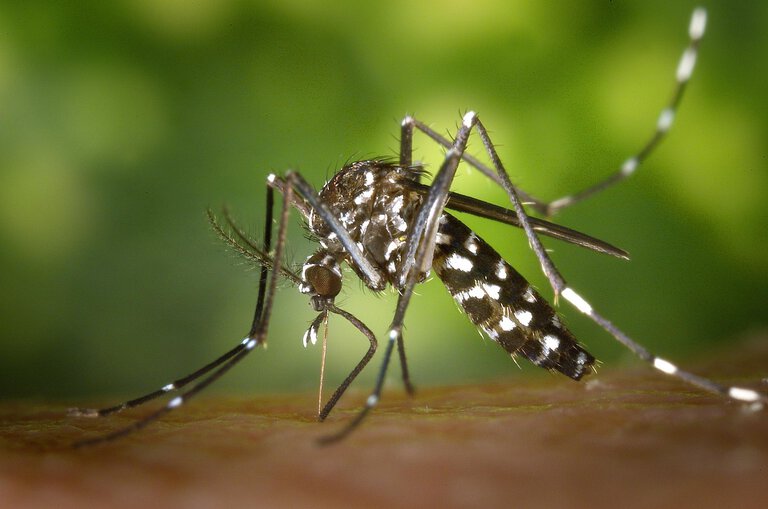
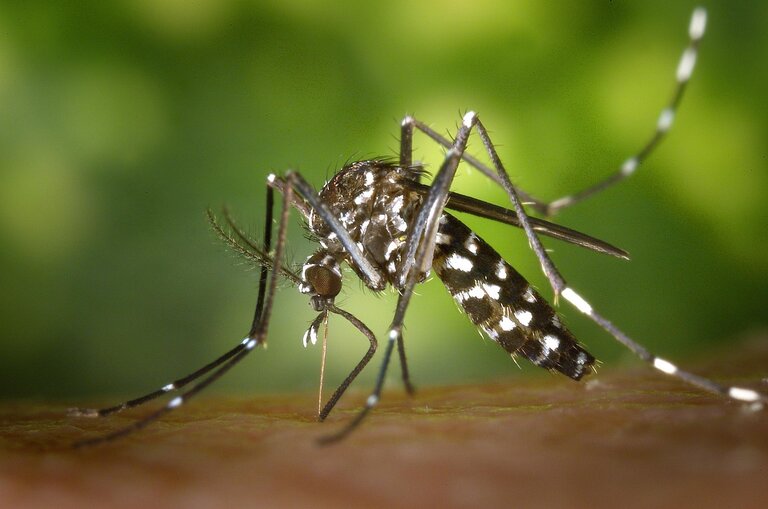
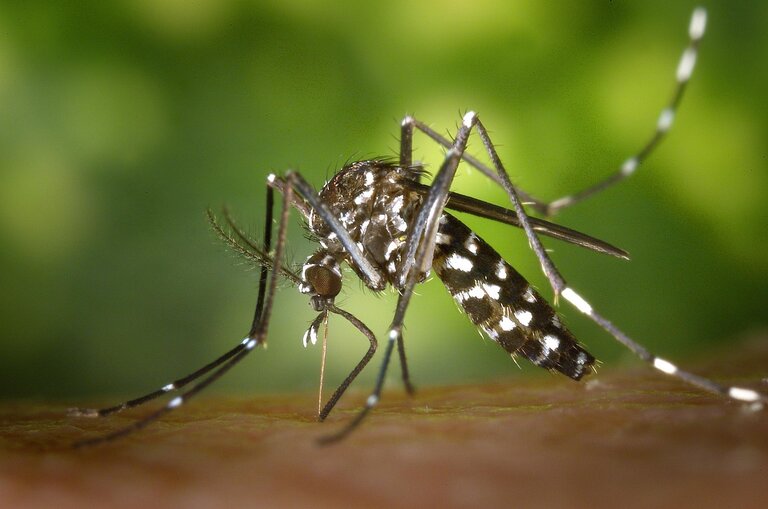
Image: Pixabay
Pest Control Calgary Alberta: Your Weekly Update for Humid, Cloudy 3.25°C Conditions
Welcome back to your trusted weekly bug report from an expert with 15 years of experience in pest control Calgary Alberta. This week, March 17th, 2026, we’re experiencing typical early spring weather for our mountain-influenced prairie city: cloudy skies, high humidity at 97%, and a crisp 3.25°C (38°F). While many Calgarians are likely still enjoying indoor activities or preparing for the upcoming spring thaw, perhaps grabbing a coffee near Stephen Avenue Walk, it’s a good time to understand what this means for household pests. The overall bug risk level for this week is thankfully Low. This means that while some overwintering pests might stir slightly with the slight temperature fluctuations, widespread active infestations are unlikely to be a major concern for homeowners right now. Keep an eye out, but don’t panic.
This Week’s Weather and What It Means for Bugs
Calgary’s recent conditions, with temperatures at 3.25°C (38°F) and a very high 97% humidity under cloudy skies, create a distinct environment for local arthropod activity. At this temperature, most insect metabolism is significantly slowed, pushing many species into dormancy or encouraging them to seek sheltered overwintering sites. The extremely high humidity, however, can be a critical factor for moisture-dependent pests, even if their overall activity is suppressed by the cold.
For pests like cluster flies (Pollenia rudis), these conditions are a strong signal to remain in or seek out warmer, drier indoor harborage. According to entomological studies from the University of Alberta, species such as cluster flies typically cease outdoor activity and actively seek protected overwintering sites when temperatures consistently fall below approximately 5°C. At 3.25°C, these insects will be largely inactive outdoors, but those already inside structures may exhibit sporadic sluggish movement if indoor temperatures fluctuate. Conversely, common Calgary mosquito species, such as Aedes vexans, are severely impacted by these cold temperatures. Research from the Public Health Agency of Canada indicates that adult mosquito flight and feeding activity effectively cease below 10°C, and larval development is halted. Therefore, at 3.25°C, adult mosquitoes are completely inactive, and their life cycle progression is arrested, with the high 97% humidity having no mitigating effect on their current state, though it provides ample moisture for future breeding sites once temperatures rise.
Despite the low temperature, the near-saturation humidity of 97% remains a significant factor for certain moisture-loving pests. Pests like silverfish (Lepisma saccharina) thrive in high-humidity environments. While their metabolic rate is considerably reduced at 3.25°C, studies, including those from the University of British Columbia, confirm that environments with relative humidity above 75% are ideal for silverfish survival. The consistent 97% humidity, even if cold, maintains critical moisture levels in damp indoor areas like basements and crawl spaces, promoting conditions conducive to their long-term survival and the growth of mold and fungi they feed upon, even if their foraging activity is minimal.
What to Do This Week in Calgary
As we navigate this damp week in Calgary with temperatures just above freezing (3.25°C) and nearly saturated humidity (97%), it’s the perfect time to proactively safeguard your home before spring activity truly begins. First, conduct a thorough inspection of your home’s foundation and basement windows, which are common entry points in many Calgary homes, especially after our freeze-thaw cycles. Look for any small cracks, gaps, or areas of condensation. Sealing these vulnerabilities now with appropriate caulk or weatherstripping is crucial because the persistent high humidity levels make these damp areas extremely attractive to moisture-loving pests like silverfish, sowbugs, and even overwintering cluster flies seeking shelter or an exit. Addressing these points early prevents them from becoming major access routes for unwanted guests.
Secondly, with the lingering chill and moisture, take a walk around your property to clear any leaf litter, garden debris, or woodpiles from directly against your home’s foundation. These damp, cool piles create ideal harborage for pests such as earwigs and slugs, encouraging them to set up camp right next to your home as they emerge. By removing these havens, you significantly reduce the initial population of pests that might otherwise try to enter your living space. Lastly, don’t forget to check and clear your gutters and eavestroughs. With such high humidity, blocked gutters can easily lead to standing water, creating prime breeding grounds for insects and potential water damage, which invariably attracts more pests. For comprehensive protection and expert advice tailored to our local climate, don’t hesitate to contact a professional for pest control Calgary Alberta.
Frequently Asked Questions about Pest Activity in Calgary
What are common pests homeowners in Calgary might encounter in early spring?
In early spring, Calgary homeowners often notice overwintering pests like cluster flies or boxelder bugs emerging from hibernation inside walls. Mice might also seek warmth if outdoor temperatures fluctuate. While activity is low, proactive checks for entry points are advisable to prevent future infestations as the weather warms.
Does Calgary’s climate affect the types of pests found here?
Calgary’s distinct four-season climate, with cold winters and warm summers, influences pest cycles. Many insects overwinter indoors or underground, emerging in spring. Rodents, like mice and voles, are persistent year-round challenges, often seeking shelter from temperature extremes. Our climate limits some tropical pests but encourages hardy local species.
Are certain pests more prevalent in Calgary’s Beltline area due to its urban density?
In dense urban areas like Calgary’s Beltline, pests such as rodents (mice and rats), cockroaches, and bed bugs can be more prevalent due to high population density and close proximity of buildings. Effective pest control Calgary Alberta services are crucial for managing these issues, often requiring integrated strategies across multiple units to prevent widespread infestations in apartment complexes.
What preventative measures can Calgary residents take to avoid pest problems?
Calgary residents can prevent pests by sealing cracks in foundations, around windows, and utility pipes. Ensure proper drainage away from your home and keep gutters clean. Store food in airtight containers, regularly clean up crumbs, and maintain a tidy yard by removing debris and trimming vegetation away from the house.
With bug risk low in mid-March, what should Calgary residents still be mindful of?
Even with low bug risk in mid-March, Calgary residents should remain vigilant for early signs of overwintering pests like cluster flies or ladybugs seeking warmth, and mice trying to find food sources. It’s an ideal time for exterior home inspections to identify and seal potential entry points before spring pest activity significantly increases.
Protect Your Home in Calgary, Alberta
Don’t let local bug activity catch you off guard. Visit our local store to get expert advice and the right supplies for your specific location.