Bug Report: St. Marys, Ontario – 2026-03-17
This Forecast is Out of Date. Please visit https://justbiteme.com/regional-bug-bite-forecast for an updated forecast

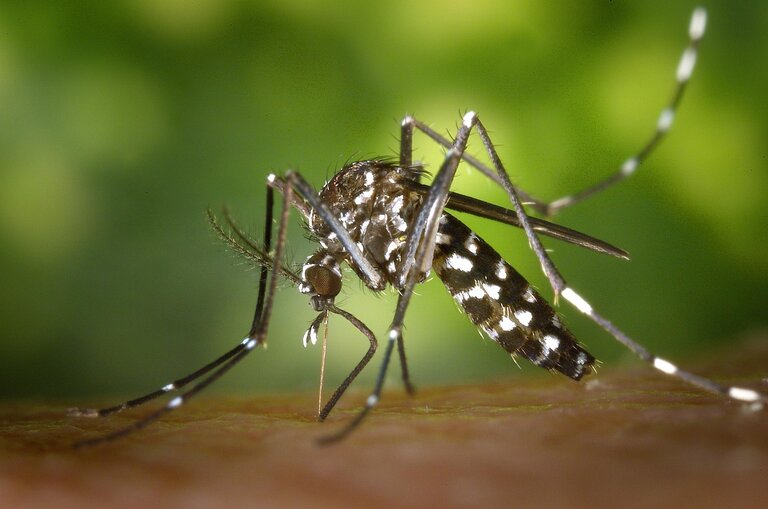
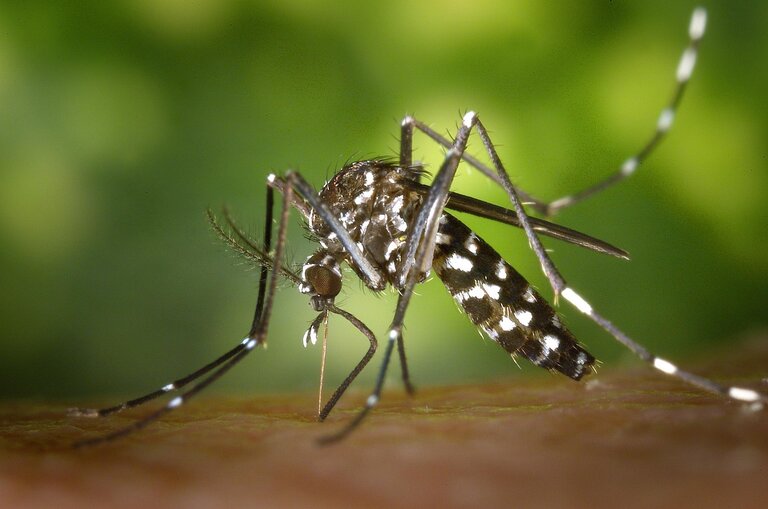
Image: Pixabay
Your Weekly Guide to Pest Control St. Marys Ontario: Navigating -15°C Conditions
Hello St. Marys homeowners! As we bundle up against a chilly -15.39°C and 97% humidity under cloudy skies this week, it’s natural to wonder what pests are up to. For effective pest control St. Marys Ontario, understanding our region’s humid continental climate is crucial. Right now, with temperatures well below freezing, the overall bug risk level is blissfully low. This means active outdoor pests are largely dormant, seeking shelter from the deep cold, much like we are cozying up in our homes, perhaps even those beautiful century homes near the St. Marys Museum, waiting for spring.
This Week’s Weather and What It Means for Bugs
This week’s frigid -15.39°C (4°F) temperatures in St. Marys, combined with 97% humidity, significantly impact insect biology, driving most species into inactivity or protected overwintering sites. At such profoundly sub-zero temperatures, most ectothermic insects cannot maintain metabolic activity and risk lethal freezing without specific adaptations. For species like the Brown Marmorated Stink Bug (Halyomorpha halys), these conditions mean a forced state of diapause. According to research from Rutgers University, BMSB adults seek shelter in structures during the fall to escape lethal outdoor temperatures. At -15.39°C, any individuals not successfully harbored indoors would face severe cold stress, as prolonged exposure to temperatures this low is typically fatal for overwintering adults lacking robust cryoprotection, which they predominantly develop for milder overwintering conditions, not direct outdoor exposure to such extremes. The high 97% humidity, while not directly mitigating the lethal cold, may contribute to frost conditions in exposed areas but is largely superseded by the overwhelming impact of extreme cold on insect survival and activity.
Similarly, Boxelder Bugs (Boisea trivittata) are heavily influenced by the measured -15.39°C. These nuisance pests are known to aggregate on the sunny sides of homes in autumn before migrating indoors to overwinter. At this week’s extreme cold, any remaining Boxelder Bugs outdoors would be in a critical state, with survival highly unlikely due to lethal freezing, as documented by the University of Nebraska-Lincoln Extension regarding their cold tolerance. Those successfully overwintering inside structures would remain dormant and inactive, awaiting warmer spring temperatures. For Carpenter Ants (Camponotus spp.), the -15.39°C temperatures force the colony into a deep diapause within their insulated wood galleries, either in trees or structural timbers. Research from Penn State Extension indicates that during periods of extreme cold like this, carpenter ant workers produce glycerol and other antifreeze compounds to prevent freezing, and foraging activity ceases completely, with the queen and workers clustering tightly for warmth. The consistent 97% humidity, while not directly affecting their survival within protected, dry wood, underscores the overall harshness of the external environment, reinforcing their need for deep, insulated overwintering sites.
What to Do This Week in St. Marys
Brrr, St. Marys! With temperatures dipping to -15°C and high humidity, our local pests aren’t hibernating; they’re actively looking for a warm, dry place to call home – and that’s usually inside yours! This week, your top priority should be a thorough exterior inspection. Pay close attention to any cracks or gaps in your foundation, especially around utility lines and pipes. These tiny openings are highways for mice and other rodents, as well as overwintering insects like cluster flies and boxelder bugs seeking refuge from the biting cold. Even small gaps under doors and around window frames should be sealed, as they can quickly become an unwelcome entry point for these persistent invaders.
Given the beautiful, often historic homes throughout St. Marys, it’s particularly important to examine older window frames and those classic limestone foundations for any new vulnerabilities that the winter freeze might have created. Furthermore, don’t forget to check your attic and basement. While it’s frigid outside, high indoor humidity from heating can still lead to condensation issues if ventilation is poor, creating future conditions ripe for moisture-loving pests. Ensure vents are clear and look for any signs of pest activity or new entry points where critters might be hunkering down. Staying vigilant now is key to effective pest control St. Marys Ontario, keeping your home cozy and pest-free throughout the rest of winter.
Frequently Asked Questions about Pest Activity in St. Marys
What common pests might St. Marys residents encounter around mid-March?
In mid-March, St. Marys homeowners might notice overwintering pests like cluster flies or ladybugs becoming active indoors as temperatures rise. Rodents, seeking food and shelter, can also remain a concern. It’s also a good time to watch for early signs of carpenter ant activity, especially after snowmelt near wood structures.
Are there specific pest concerns for homes located near the St. Marys Quarry?
Homes near the St. Marys Quarry may experience increased activity from moisture-loving pests like earwigs, sowbugs, and spiders due to the proximity to water and rocky environments. Rodents can also be drawn to these areas, seeking harborage in natural crevices. Regular exterior inspections are recommended for these properties.
When is it advisable for St. Marys homeowners to seek professional pest control services?
St. Marys homeowners should consider professional pest control services if they notice persistent infestations, widespread damage, or recurring pests despite DIY efforts. Early intervention can prevent minor issues from escalating. For effective and lasting solutions, contacting experts in pest control St. Marys Ontario ensures proper identification and treatment tailored to local conditions.
What preventative steps can St. Marys residents take against rodents and ants in early spring?
In early spring, St. Marys residents should seal cracks in foundations and around utility lines to prevent rodent entry. Trim back shrubs and trees from the house to reduce ant access points. Store food in airtight containers and keep outdoor areas tidy. Addressing moisture issues in basements and crawl spaces is also crucial for deterrence.
Protect Your Home in St. Marys, Ontario
Don’t let local bug activity catch you off guard. Visit our local store to get expert advice and the right supplies for your specific location.