Bug Report: Arctic Bay, Nunavut – 2026-03-17
This Forecast is Out of Date. Please visit https://justbiteme.com/regional-bug-bite-forecast for an updated forecast

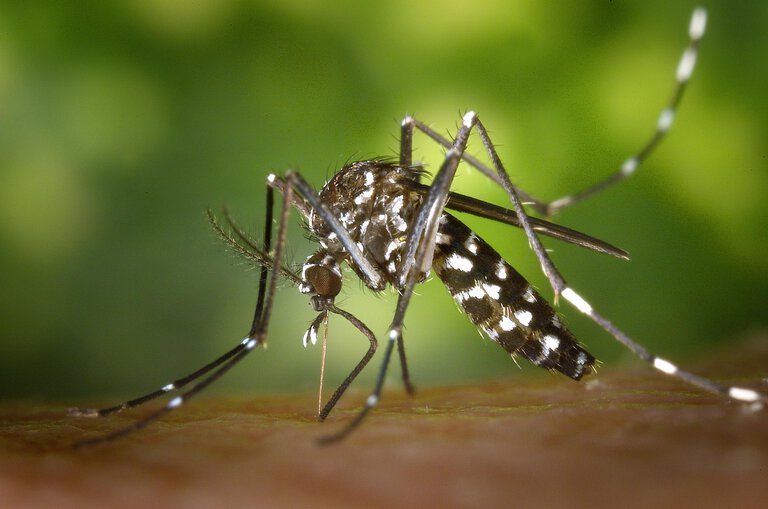
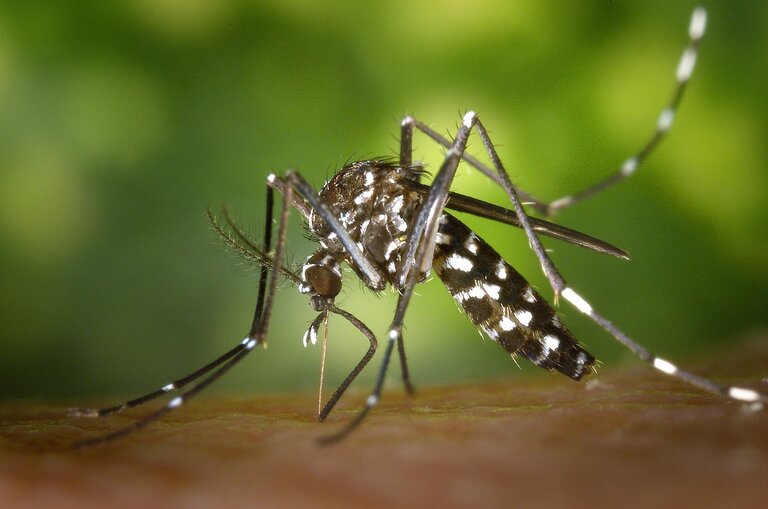
Image: Pixabay
Pest Control Arctic Bay Nunavut: Low Risk Under March Clouds (Week of 2026-03-17)
Welcome back to your weekly update on pest control Arctic Bay Nunavut. With temperatures holding steady around -5.53°C and overcast skies this week (March 17, 2026), our region’s characteristic Arctic climate keeps most outdoor pests firmly at bay. For homeowners, particularly those busy maintaining their properties or gathering at the Daniel C. Snook Community Hall, this means a Low risk level for pest activity. You’re unlikely to encounter new infestations or significant outdoor issues, allowing you to focus on general upkeep rather than active pest management.
This Week’s Weather and What It Means for Bugs
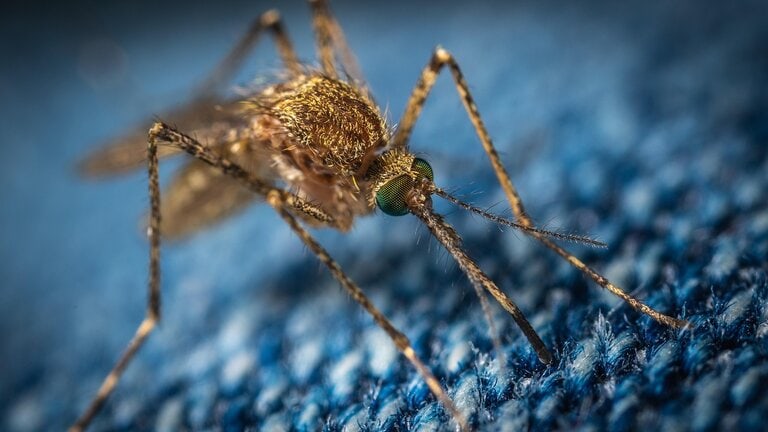
This week’s measured conditions in Arctic Bay, Nunavut, with a temperature of -5.53°C (22°F), 62% humidity, and cloudy skies, collectively indicate a period of sustained dormancy for most outdoor insect pests. At -5.53°C, insect metabolism is severely inhibited, preventing any active life stages from developing or foraging. According to research from the University of Alberta, this temperature range is well below the physiological threshold for flight and feeding in common Arctic mosquito species, such as *Aedes impiger* and *Aedes nigripes*. Instead, these mosquitoes persist through the winter as highly cold-hardy eggs in the soil, which are adapted to survive extreme sub-zero temperatures. The constant cold ensures these overwintering eggs remain in a state of diapause, awaiting the spring thaw for hatching, rather than risking premature development.
Similarly, this week’s conditions keep other notorious Arctic biting pests in their overwintering stages. Black flies (*Simulium* spp.) and biting midges (*Culicoides* spp.) typically overwinter as larvae or eggs in aquatic or semi-aquatic environments. The -5.53°C temperature means that most water bodies are frozen or near freezing, effectively halting larval development and adult emergence. Studies from McGill University emphasize that sustained temperatures below 0°C are critical for maintaining this dormant state, protecting these populations from predator pressure and resource scarcity during the harsh winter. The 62% humidity, while not a primary driver at such low temperatures, contributes to the overall stability of the environment by preventing desiccation of any exposed dormant stages in sheltered microclimates, although the dominant factor ensuring their survival is their inherent cold hardiness at this temperature. The cloudy conditions further maintain the consistently cold ambient temperature by reducing solar radiation, which might otherwise cause localized, temporary warming that could prematurely affect overwintering stages.
What to Do This Week in Arctic Bay
Greetings, neighbours! As your friendly local pest control technician, I’m here with your weekly prevention update. With temperatures hovering around -5.53°C (22°F) and a bit of cloud cover, our outdoor bug risk is thankfully low. However, this crisp weather makes indoor spaces incredibly appealing to anything looking for warmth and shelter. So, let’s make sure our homes remain pest-free sanctuaries!
First and foremost for this week, it’s prime time to check and seal any tiny gaps or cracks around your home’s exterior. Pay close attention to utility penetrations, window frames, and where different building materials meet. Why does this matter now? Because even a small opening is an open invitation for rodents and overwintering insects desperate to escape the cold. Secondly, a tip especially relevant for our community’s architecture: take a moment to inspect the vents and screens on your elevated foundations. Many homes in Arctic Bay are built this way, and damaged screens can offer easy access for critters into crawl spaces. Ensuring these are intact is crucial for keeping unwanted guests out. Thirdly, let’s monitor indoor humidity levels. Despite the cold, localized moisture from everyday activities or minor leaks can attract pests like silverfish or mould mites. Finally, clear any deep snow drifts that have accumulated directly against your home’s foundation. Snow can provide a convenient bridge for rodents to access higher entry points, and it keeps moisture against your home. By taking these proactive steps, you’re doing excellent work in pest control Arctic Bay Nunavut, ensuring your home stays comfortable and critter-free. Stay warm!
Frequently Asked Questions about Pest Activity in Arctic Bay
What common pests might residents of Arctic Bay encounter indoors during mid-March?
Even with low outdoor activity in March, Arctic Bay homes can still experience indoor pests like common house spiders or occasional mice seeking shelter. Rodents are a year-round concern, especially in older buildings or those near food sources. Proactive measures are key to preventing these issues inside your residence.
Are homes near the airport runway or the community hall more susceptible to specific pest issues in Arctic Bay?
Properties closer to high-traffic areas like the airport or community hall might experience increased rodent activity due to human presence and potential food waste. Buildings near these hubs should ensure proper waste management and robust sealing to deter pests. Regular inspections are recommended for these specific locations.
What steps can Arctic Bay residents take to prevent pests from entering their homes during the colder months?
Residents should seal cracks in foundations and around pipes, repair damaged screens, and ensure tight-fitting doors and windows. Proper food storage and waste disposal are crucial. For persistent problems, professional pest control Arctic Bay Nunavut services can offer tailored solutions, helping maintain a pest-free environment year-round.
Given Arctic Bay’s climate, are there any unique challenges for effective pest management?
The extreme cold often drives pests indoors, creating unique challenges. Structural integrity is vital; drafts and poor insulation provide entry points and shelter. Frozen ground can also impact subterranean pest treatments, requiring specialized techniques. Understanding these environmental factors is crucial for effective long-term pest prevention in the High Arctic.
Protect Your Home in Arctic Bay, Nunavut
Don’t let local bug activity catch you off guard. Visit our local store to get expert advice and the right supplies for your specific location.
Find Just Bite Me Products Near You
Discover where you can purchase Just Bite Me products in your area.