Bug Report: Slocan Park, British Columbia – 2026-03-17
This Forecast is Out of Date. Please visit https://justbiteme.com/regional-bug-bite-forecast for an updated forecast

Image: Pixabay
Pest Control Slocan Park British Columbia: March 17th – Cloudy Skies and 7.6°C, What it Means for Your Home
Welcome back, Slocan Park residents, to your weekly bug report! As a local expert in pest control Slocan Park British Columbia, I’m here to guide you through the changing seasons. This week, March 17th, with cloudy skies, 7.6°C, and 87% humidity, we’re holding steady at a Low bug risk level. What does this mean for your home? Essentially, while the mercury is slowly rising, the cooler, damp conditions typical of our Kootenay mountain climate mean most pests are still largely inactive. You might be enjoying a stroll along the Slocan Valley Rail Trail, noticing the subtle signs of spring, but underground and tucked away, insects are mostly biding their time.
This Week’s Weather and What It Means for Bugs
The measured temperature of 7.6°C (46°F) for Slocan Park sits in an interesting zone for pest biology: it is cool enough to keep many insect species in a state of reduced activity or diapause, but consistently above freezing, meaning survival for overwintering pests is largely ensured. For cold-blooded organisms, metabolic rates are directly linked to ambient temperature, so any activity will be slow and limited. The elevated humidity of 87% is particularly significant, as it reduces desiccation risks for many smaller insects and can foster the growth of fungi and molds, which some pests utilize as a food source or indication of suitable habitat.
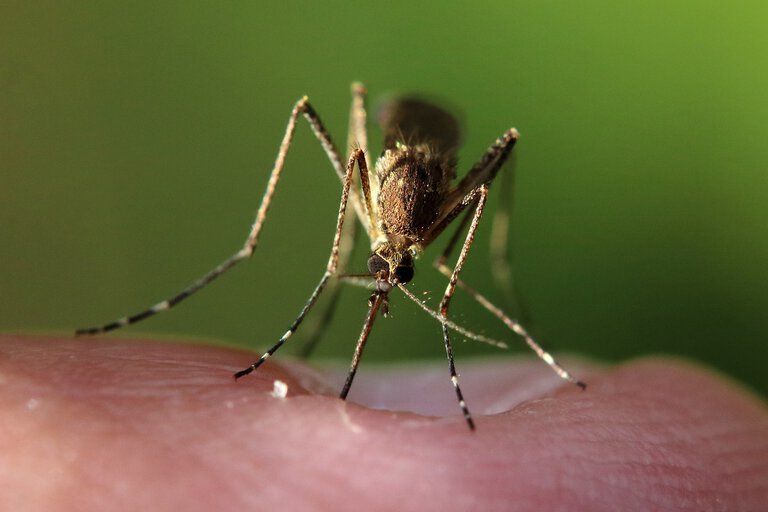
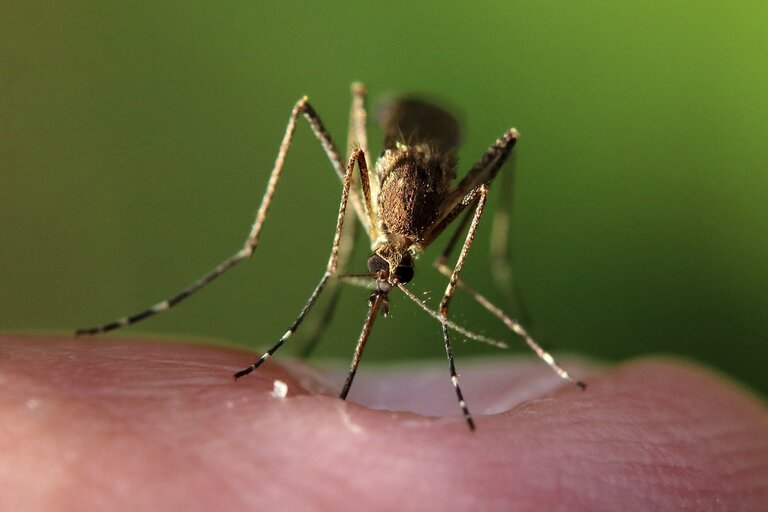
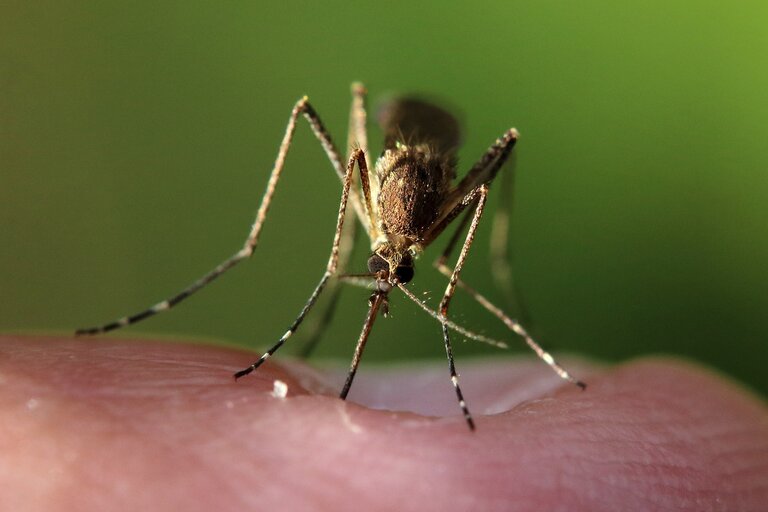
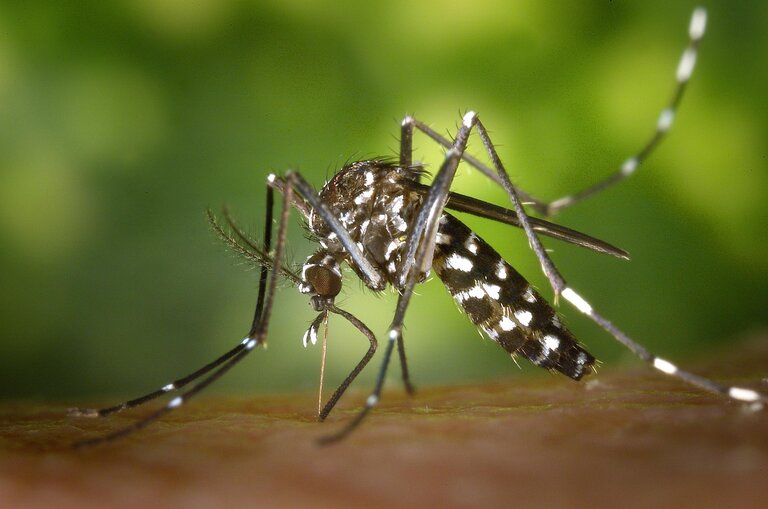
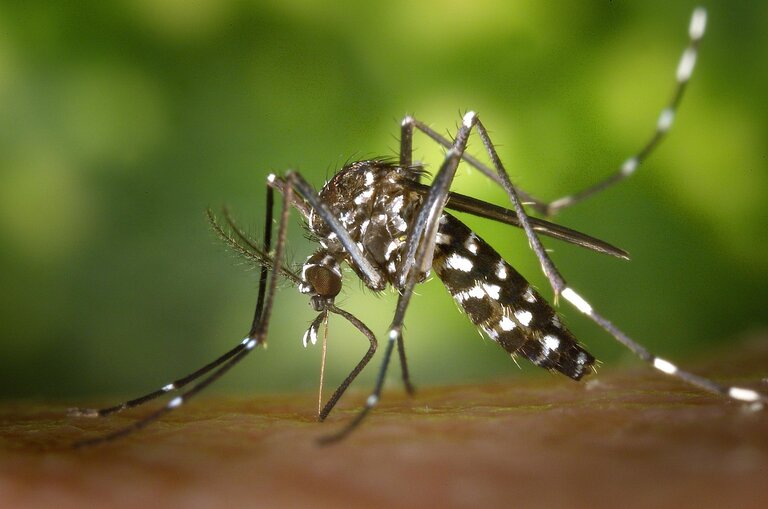
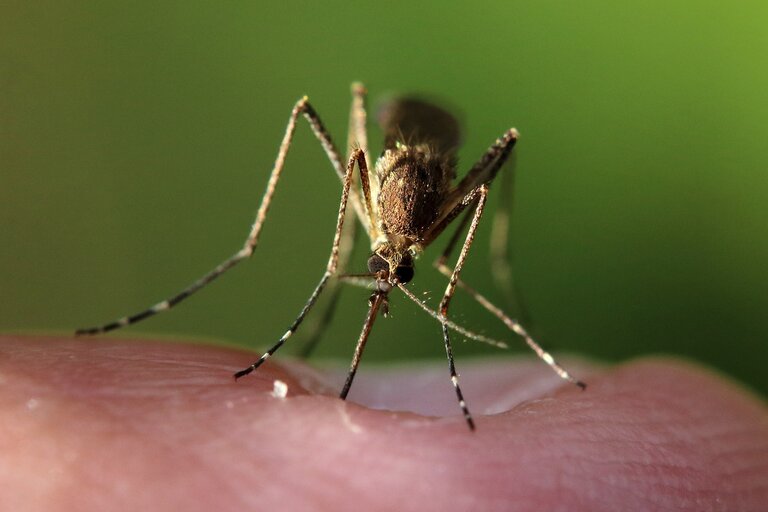
For species like **Western Carpenter Ants** (*Camponotus modoc* or *C. vicinus*), the 7.6°C (46°F) temperature means outdoor foraging activity is virtually non-existent. According to entomological research from the University of California, Davis, carpenter ant activity significantly decreases below 10°C, indicating that at 7.6°C, outdoor colonies remain largely quiescent, with individuals in a reduced metabolic state within their galleries. However, if an indoor colony is present, slightly warmer interior temperatures could permit very slow, localized movement. The high 87% humidity, while not a direct activator, is conducive to maintaining the moist wood conditions these ants prefer for nesting. Similarly, **mosquitoes** common to British Columbia, such as *Culex pipiens* or *Aedes vexans*, will find 7.6°C (46°F) too cool for significant biting activity or larval development in standing water. Research from the BC Centre for Disease Control indicates that widespread mosquito activity typically requires sustained temperatures above 10°C. However, this temperature is above freezing, allowing overwintering adult mosquitoes to survive in sheltered locations, albeit in a state of arrested development. The 87% humidity supports their survival by preventing desiccation during this dormant phase.
Finally, **overwintering yellowjacket queens** (e.g., *Vespula pensylvanica* or *Vespula vulgaris*) will generally remain in diapause at 7.6°C (46°F). Studies from Oregon State University on *Vespula* species indicate that queens typically emerge from overwintering when sustained daily temperatures reach 10-15°C. At 7.6°C, these queens are safely surviving the winter in their protected microhabitats, such as wall voids or soil, not yet active but also not succumbing to freezing. The 87% humidity within these sheltered sites ensures a stable, non-desiccating environment for their continued dormancy, preserving them until more favorable, warmer conditions signal the time to emerge and establish new colonies.
What to Do This Week in Slocan Park
This week in Slocan Park, we’re experiencing cool temperatures at 7.6°C (46°F) and notably high humidity at 87%, all under a cloudy sky. While our overall bug risk is low, these conditions are a clear signal for proactive pest prevention. Pests are beginning to stir from their winter dormancy, and the combination of cool outdoor air and dampness means they’ll either be seeking warmer, drier shelter inside your home, or thriving in any existing indoor moisture. Your first actionable step should be to meticulously inspect and seal any potential entry points: carefully check around windows, doorframes, utility pipe penetrations, and any visible cracks in your foundation. Using a good quality caulk or weatherstripping now will prevent unwelcome guests like cluster flies and spiders from easily finding their way in as they become more active.
Secondly, with the very high humidity, managing moisture inside and around your home is paramount. Take time to check your basement, crawl space, and under-sink areas for any leaks or condensation, addressing them promptly. Ensure your gutters are clean and downspouts are directing water well away from your home’s foundation – this is particularly crucial for many homes common in the Slocan Park area, which often feature basements or crawl spaces prone to dampness. Lastly, make sure to clear any leaf litter, woodpiles, or overgrown vegetation that’s touching your home’s foundation. This debris traps moisture and provides ideal hiding spots for moisture-loving pests like earwigs and slugs. Proactive moisture control and perimeter maintenance are essential aspects of effective pest control Slocan Park British Columbia homeowners can implement to keep their homes comfortable and pest-free as we head further into spring.
Frequently Asked Questions about Pest Activity in Slocan Park
What common pests should Slocan Park residents be aware of in mid-March 2026?
In mid-March, Slocan Park residents should primarily monitor for overwintering pests like cluster flies or boxelder bugs becoming active on warmer days. Rodents such as mice might still seek indoor shelter, especially in properties near agricultural fields or the Slocan River. Early signs of carpenter ant activity could also emerge with warming temperatures.
Are homes near the Slocan River in Slocan Park more prone to specific pests?
Properties bordering the Slocan River can experience increased activity from rodents like voles and mice seeking food and shelter. The proximity to water and vegetation also attracts moisture-loving pests such as certain spider species and potentially mosquitoes later in the season. Regular inspections around foundations and entry points are advisable.
When is the best time to consider proactive pest control in Slocan Park British Columbia?
Proactive pest control in Slocan Park British Columbia is often most effective in early spring and fall. Addressing potential entry points and applying preventative treatments before pest populations peak can significantly reduce infestations. This timing helps manage overwintering pests and prevents new breeding cycles from establishing as the weather warms.
Given the low bug risk, what preventative measures can Slocan Park homeowners take now?
Even with low bug risk, homeowners should seal cracks in foundations and around utility lines to prevent rodent entry. Ensure window screens are intact, clear gutters, and trim vegetation away from the house. Storing firewood away from the home and maintaining a tidy yard also discourages various pests seeking harborage as spring approaches.
Protect Your Home in Slocan Park, British Columbia
Don’t let local bug activity catch you off guard. Visit our local store to get expert advice and the right supplies for your specific location.