Bug Report: Smithville, Ontario – 2026-03-18
This Forecast is Out of Date. Please visit https://justbiteme.com/regional-bug-bite-forecast for an updated forecast

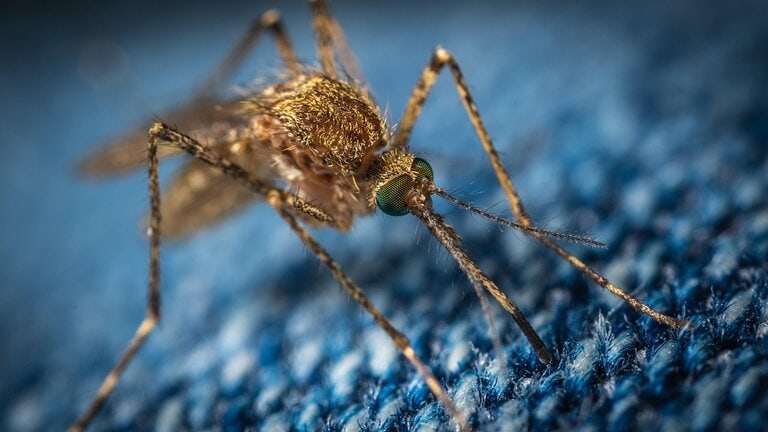
Image: Pixabay
Pest Control Smithville Ontario: Your Weekly Forecast for Chilly, Cloudy Conditions
As your local expert in pest control Smithville Ontario, I’m here to provide your weekly update for March 18, 2026. With temperatures hovering around -1.96°C (28°F) and cloudy skies blanketing the region, much like the quiet evenings around the Smithville Fairgrounds this time of year, our outdoor pest activity remains significantly subdued. This week, we’re classifying the overall pest risk level as Low for homeowners. This means that while outdoor pests are largely inactive due to Ontario’s characteristic cold, humid continental winters, it’s still an opportune time to ensure your home remains an unwelcome haven for any critters seeking refuge from the chill.
This Week’s Weather and What It Means for Bugs
This week’s frigid temperature of -1.96°C (28°F) significantly influences pest behavior in Smithville, primarily driving most insect activity indoors or into a state of diapause. For nuisance pests such as the Boxelder bug (Boisea trivittata) and the Western Conifer Seed Bug (Leptoglossus occidentalis), these sub-freezing conditions mean their outdoor activity has ceased entirely. According to entomological research from Michigan State University, temperatures below 0°C (32°F) compel these insects to seek sheltered, warmer microclimates, typically within the walls and attics of residential and commercial buildings, where they enter a semi-dormant state to survive the winter. The accompanying 83% humidity, while high, is less critical for these pests at freezing temperatures outdoors, but may contribute to favorable conditions for overwintering success if they find a sufficiently humid and protected indoor harborage.
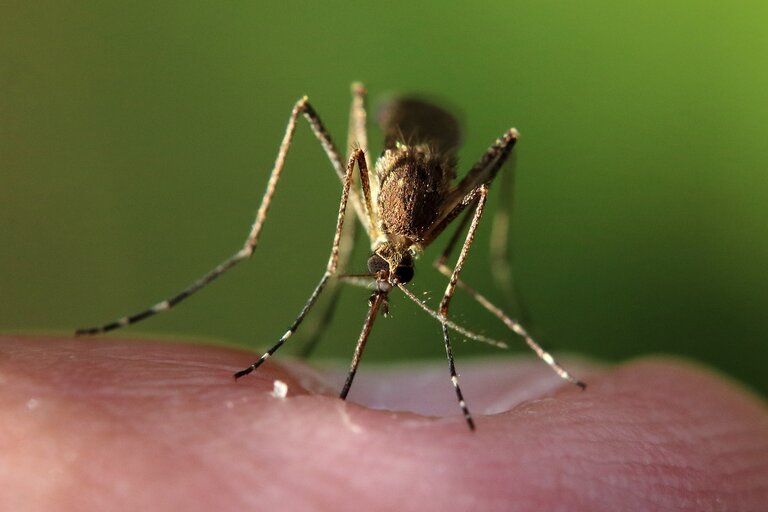
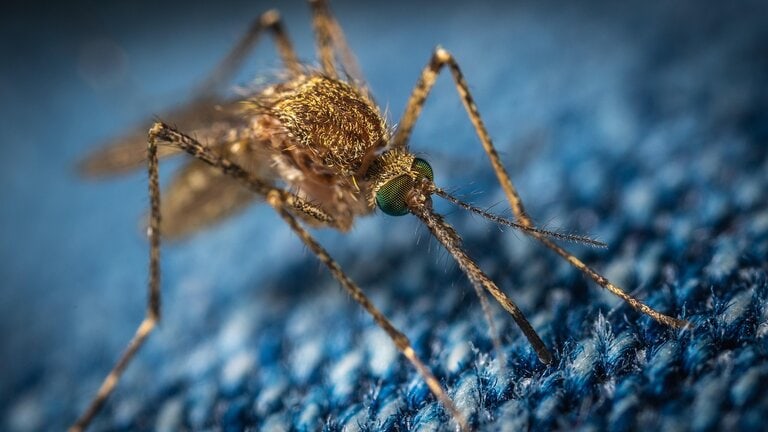
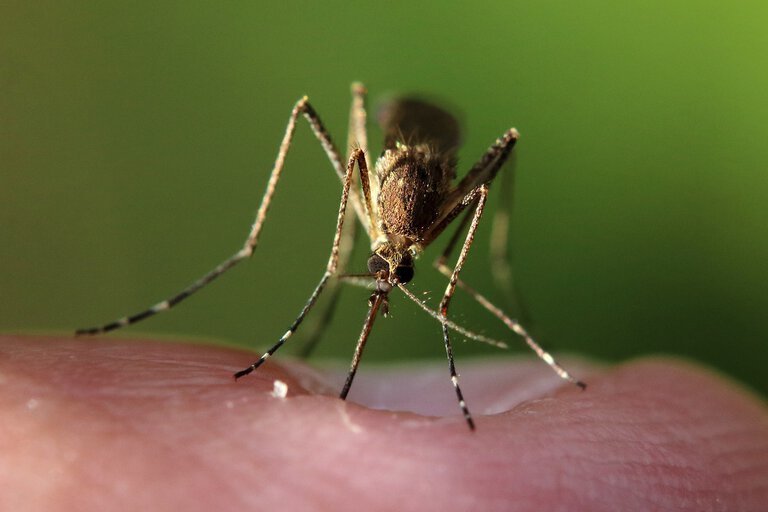
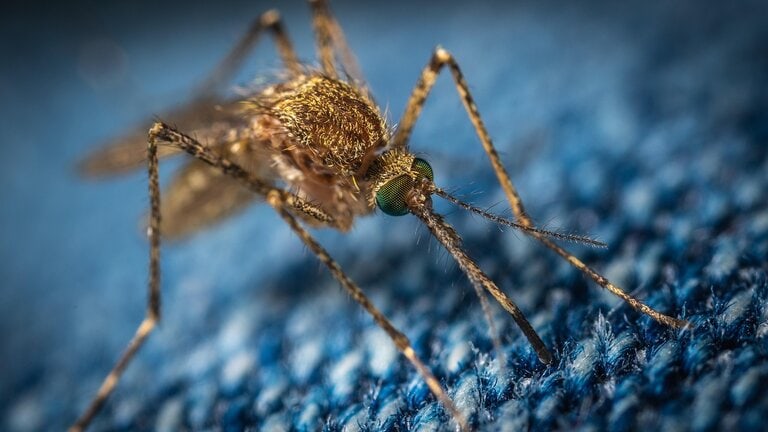
For pests already established indoors, like the German cockroach (Blattella germanica), the external temperature of -1.96°C (28°F) reinforces their reliance on indoor environments, as they cannot survive freezing temperatures. The high indoor humidity, mirroring the outdoor 83%, can be a critical factor in their proliferation within kitchens and bathrooms. Research from Purdue University indicates that German cockroaches thrive in environments with high humidity (typically above 60%) combined with adequate warmth, facilitating their reproductive cycles and development even in winter months. Meanwhile, outdoor nuisance insects such as the Northern house mosquito (Culex pipiens) are in a state of diapause, a survival mechanism against the cold. At -1.96°C (28°F), adult mosquitoes of this species would be overwintering in protected sites like culverts or basements, and the 83% humidity in such sheltered areas helps prevent desiccation, a common threat during dormancy, as noted by studies from the University of Guelph on insect overwintering strategies.
What to Do This Week in Smithville
As the week of March 18th brings us chilly -1.96°C (28°F) temperatures and 83% humidity, outdoor pest activity may be low, but this is prime time for critters to seek warmth and shelter indoors! Your focus this week should be on fortifying your home against these determined invaders. First, take a walk around your home’s exterior and seal up any visible gaps or cracks. Pay close attention to areas around utility lines, pipes, windows, and door frames. Pests like mice, spiders, and even overwintering cluster flies will exploit even the smallest opening to escape the cold. Secondly, address any sources of indoor moisture. With high humidity outside, any leaky faucets, condensation issues, or damp spots in your basement or crawl space become incredibly attractive to moisture-loving pests such as silverfish and centipedes. Ensure proper ventilation in bathrooms and kitchens to reduce humidity levels inside your home.
Beyond sealing and moisture control, consider the unique aspects of our Smithville homes. Many of our cherished, older properties often have basements and attics that can be prime overwintering sites. This week, take some time to inspect these less-frequented areas for any signs of activity – droppings, gnaw marks, or unusual sounds. Addressing these potential weak points now can prevent bigger issues later. Lastly, ensure all food items, including pet food, are stored in airtight containers and keep your pantry and storage areas tidy. Even in colder weather, any pest that makes it inside is looking for an easy meal and a cozy place to hide. Taking these proactive steps can significantly reduce your need for professional pest control Smithville Ontario services as we head towards spring.
Frequently Asked Questions about Pest Activity in Smithville
What pest activity should Smithville residents expect in mid-March 2026?
Given the low bug risk for mid-March 2026 in Smithville, outdoor pest activity is minimal. However, residents might still encounter overwintering pests like cluster flies or mice seeking warmth indoors. Focus on sealing entry points and monitoring for early signs of common household invaders as temperatures begin to rise.
What are the most common household pests found in Smithville, Ontario?
Common household pests in Smithville include rodents (mice, rats), ants (especially carpenter ants near wooded areas), cluster flies, and occasional spiders. In warmer months, wasps and mosquitoes become more prevalent, particularly in properties with extensive landscaping. Regular home inspections help identify and address these issues proactively.
Are homes near Twenty Mile Creek in Smithville more susceptible to certain pests?
Properties near Twenty Mile Creek, particularly those with lush vegetation or proximity to water, can experience increased issues with mosquitoes, spiders, and rodents seeking water sources. Carpenter ants may also be more active if there’s decaying wood nearby. Proactive outdoor pest management and sealing entry points are beneficial for these locations.
What preventative measures can Smithville homeowners take against pests this time of year?
In mid-March, focus on sealing cracks and gaps in foundations and around windows/doors to prevent entry. Ensure proper drainage to avoid moisture issues attracting pests. Store food in airtight containers, keep outdoor areas tidy, and trim back vegetation from your home’s exterior. Regular inspections can help catch potential problems early.
When should I consider professional pest control services in Smithville?
You should consider professional **pest control Smithville Ontario** services if you notice persistent pest activity, signs of an infestation (e.g., droppings, damaged wood), or if DIY methods aren’t effective. Professionals can accurately identify pests, assess the scope of the problem, and apply targeted treatments safely and efficiently, ensuring long-term relief.
Protect Your Home in Smithville, Ontario
Don’t let local bug activity catch you off guard. Visit our local store to get expert advice and the right supplies for your specific location.