Bug Report: Slocan Park, British Columbia – 2026-03-17
This Forecast is Out of Date. Please visit https://justbiteme.com/regional-bug-bite-forecast for an updated forecast

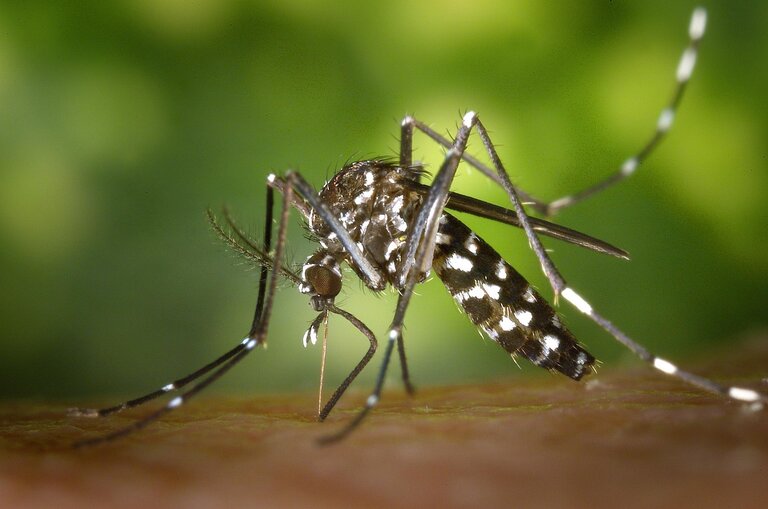
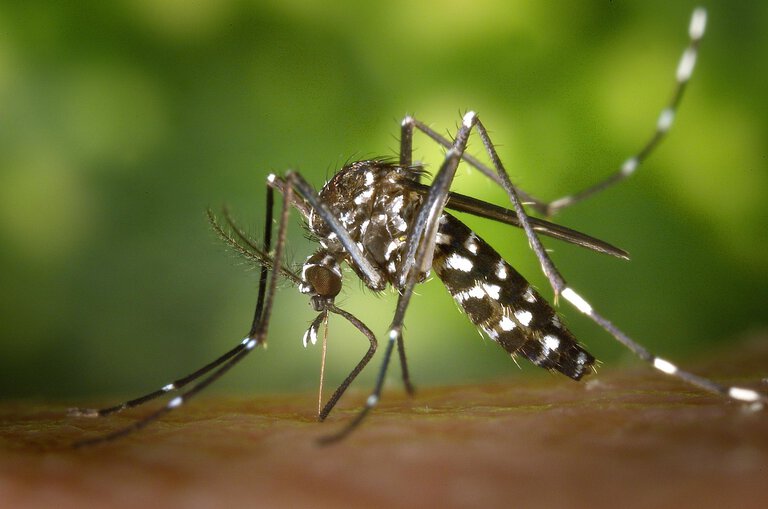
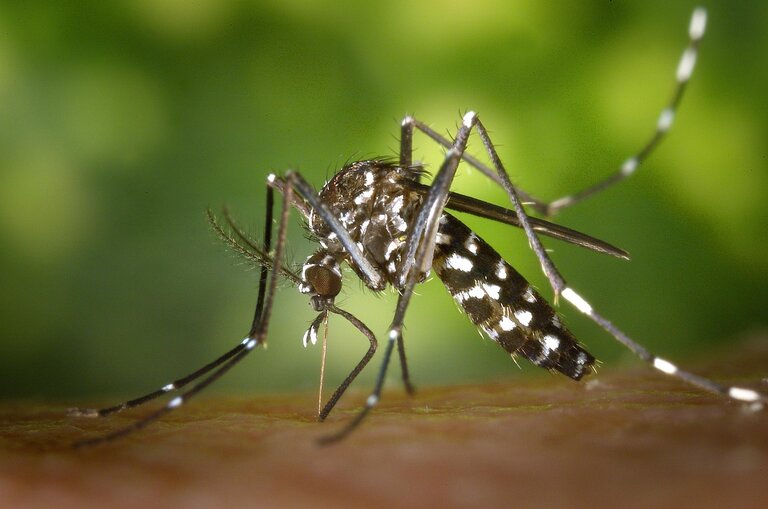
Image: Pixabay
Pest Control Slocan Park British Columbia: Clear Skies and 3.45°C (38°F) Keep Bugs at Bay This Week
Welcome, Slocan Park homeowners, to your weekly bug report! For effective pest control Slocan Park British Columbia, understanding our unique climate is key. As we navigate the crisp, clear conditions with temperatures around 3.45°C (38°F) and 87% humidity, I’m happy to report a Low bug risk level this week. This means that while you might be enjoying a brisk stroll along the Slocan Valley Rail Trail or beginning to plan your spring garden near the Slocan River, most common household pests in our mountainous Interior BC region are still largely inactive or dormant. It’s a prime time for preventative checks, not reactive treatments, making the most of this quiet period before things start to really warm up.
This Week’s Weather and What It Means for Bugs
This week’s measured conditions in Slocan Park, with a temperature of 3.45°C (38°F) and 87% humidity, are highly influential in shaping local pest biology, primarily by driving many species towards sheltered, warmer environments. The near-freezing 3.45°C temperature is a critical factor, compelling endothermic pests like the House Mouse (Mus musculus) to seek warmth and harborage indoors. According to research on rodent thermoregulation from institutions such as the University of California, Davis, temperatures below 10°C significantly increase metabolic demand, pushing mice to actively infiltrate structures to maintain their body temperature. Similarly, this cold snap at 3.45°C triggers overwintering behavior in insects such as the Western Conifer Seed Bug (Leptoglossus occidentalis). These bugs will abandon outdoor areas, where the 87% humidity at such low temperatures would make for an inhospitable, potentially damp overwintering site, and instead seek dry, protected spaces within homes and commercial buildings to enter diapause, as documented by entomological studies from Washington State University.
For strictly indoor pests, the outdoor conditions indirectly impact their presence by creating a stark contrast with indoor microclimates. German Cockroaches (Blattella germanica), for instance, cannot survive prolonged exposure to 3.45°C; their activity and development cease below approximately 10°C. This means any active German Cockroach populations in Slocan Park are confined entirely to heated indoor environments. Within these structures, the high 87% outdoor humidity, if it contributes to damp indoor areas or is maintained in specific microclimates like bathrooms or kitchens, becomes a significant factor. German Cockroaches thrive in environments with relative humidity above 70%, which supports their egg viability and nymphal development, according to pest biology research from Purdue University. Therefore, while the cold drives pests inside, the high humidity provides favorable conditions for their establishment and proliferation within suitable indoor harborage.
What to Do This Week in Slocan Park
Although our current bug risk level is low here in Slocan Park, with clear skies but a brisk 3.45°C (38°F) and noticeable 87% humidity, this is a prime time for proactive pest prevention. First off, given the high humidity, homeowners should meticulously check basements, crawl spaces, and other damp areas for any signs of excess moisture. Pests like silverfish, earwigs, and even certain types of beetles thrive in humid environments, and sustained dampness can attract more serious issues like carpenter ants if wood begins to rot. Ensure proper ventilation and address any leaks immediately. Secondly, take a moment to seal up any small cracks or gaps around your home’s foundation, windows, and doors. Even minor openings can serve as entry points for overwintering pests still seeking warmth, or early spring opportunists looking for shelter from the chilly temperatures.
Continuing your exterior inspection, it’s wise to clear away any lingering leaf litter, overgrown vegetation, or other debris from around your home’s perimeter. This not only eliminates potential hiding spots for rodents and insects but also reduces moisture retention near your foundation, which, again, is crucial with our current high humidity. For those of us who rely on wood stoves, a common practice in Slocan Park, British Columbia, it’s also important to inspect firewood piles. Many pests, including various beetles and spiders, will overwinter in stacked wood. Keep your firewood neatly stacked away from your home and bring in only what you plan to burn immediately to avoid inadvertently inviting these critters indoors. By taking these simple steps now, you can significantly reduce future pest problems and ensure your home remains comfortable and pest-free. For more specialized assistance with pest control Slocan Park British Columbia, remember your local experts are here to help.
Frequently Asked Questions about Pest Activity in Slocan Park
What are the common pest concerns for Slocan Park residents in mid-March?
In mid-March, Slocan Park typically experiences low pest activity. Residents might occasionally encounter overwintering pests like cluster flies or spiders emerging indoors. Rodents, especially mice, may still seek warmth and food inside homes after winter. Outdoor insect activity is minimal, making it an ideal time for preventative measures before spring fully arrives.
Are rodents a significant problem in Slocan Park during early spring?
Rodent activity, particularly from mice, can persist in Slocan Park during early spring as they seek indoor shelter and food sources. While not typically a severe infestation risk in March, residents should seal entry points and ensure proper food storage. If issues arise, professional pest control Slocan Park British Columbia services can effectively manage rodent populations and prevent future problems.
What kind of ant activity can Slocan Park homes expect in March?
Ant activity in Slocan Park is generally low in March. As temperatures slowly rise, you might notice scout ants searching for food sources indoors. Major ant colonies typically become more active later in spring. Sealing cracks and maintaining cleanliness are effective early preventative steps. Persistent ant trails warrant investigating potential entry points and food attractants.
Do properties near the Slocan River in Slocan Park face unique pest challenges?
Properties adjacent to the Slocan River in Slocan Park might experience increased moisture-loving pests like earwigs or certain beetle species as spring progresses. However, in mid-March, this risk is still low. Mosquito activity near the river isn’t prominent until warmer months. Maintaining clear gutters and proper drainage is always crucial for these riverside properties.
What are simple preventative measures Slocan Park residents can take against pests in March?
Slocan Park residents can take several simple steps in March. Focus on sealing cracks and gaps around foundations and utility lines to prevent rodent and insect entry. Ensure screens are intact and store food in airtight containers. Reducing clutter indoors and outdoors also eliminates potential pest harborage areas, setting a good foundation for the warmer months ahead.
Protect Your Home in Slocan Park, British Columbia
Don’t let local bug activity catch you off guard. Visit our local store to get expert advice and the right supplies for your specific location.