Bug Report: Port Hope, Ontario – 2026-03-18
This Forecast is Out of Date. Please visit https://justbiteme.com/regional-bug-bite-forecast for an updated forecast

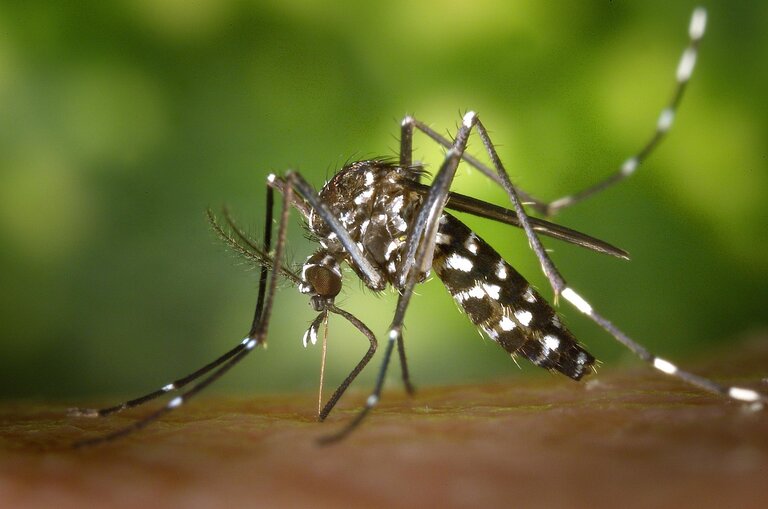
Image: Pixabay
Pest Control Port Hope Ontario: What the 8.33°C, 83% Humidity Means This Week
Welcome back to your weekly Port Hope bug report! For effective pest control Port Hope Ontario, understanding our unique local environment is paramount. This week, as cloudy skies hang over the Ganaraska River and our historic downtown, with temperatures hovering around 8.33°C and a muggy 83% humidity, we’re seeing a generally low pest risk. While the mild, humid continental climate of our region can sometimes encourage early activity, this low risk means homeowners aren’t likely to face major new outdoor infestations. However, it’s still a crucial time to be mindful of those lingering overwintering pests that might be seeking refuge in warmer indoor spaces.
This Week’s Weather and What It Means for Bugs
The measured conditions this week in Port Hope, with temperatures around 8.33°C (47°F) and a high 83% humidity under cloudy skies, significantly influence the behavior and survival of several local pest species. For instance, the blacklegged tick (Ixodes scapularis), a vector for Lyme disease, remains active under these conditions. According to research from the University of Guelph, blacklegged ticks can actively quest for hosts when ambient temperatures are consistently above 0°C (32°F), with optimal activity often observed between 4°C and 25°C. The current 8.33°C (47°F) places them firmly in their active range. Furthermore, the high 83% humidity significantly reduces the risk of desiccation for these arthropods, allowing them to remain on vegetation longer while awaiting a host, as documented by studies from the Public Health Agency of Canada.
The cool 8.33°C (47°F) temperature, coupled with cloudy conditions, largely keeps outdoor insect activity suppressed for many species. However, for overwintering pests such as cluster flies (Pollenia rudis), these conditions reinforce their reliance on sheltered indoor spaces. Research from Cornell University indicates that while adult cluster flies enter diapause in wall voids and attics during cooler months, fluctuations in indoor temperatures—even when outdoor temperatures like the current 8.33°C (47°F) remain cool—can cause them to become disoriented and emerge into living areas. The 83% humidity is less directly impactful on their indoor emergence but generally supports fungal growth in damp areas, which can be an attractant for other moisture-seeking pests.
Moreover, the high 83% humidity, combined with the mild 8.33°C (47°F) temperature, creates favorable conditions for moisture-loving arthropods like springtails (Collembola). These tiny insects thrive in damp soil, leaf litter, and areas with high moisture content, such as basements or crawl spaces. According to entomological studies from the University of Toronto, springtail populations can flourish when environmental humidity is consistently above 70% and temperatures are above freezing, making our current conditions particularly conducive to their activity in moisture-prone zones around and within homes in Port Hope.
What to Do This Week in Port Hope
Hello Port Hope neighbours! As we step into the week of March 18th, with temperatures hovering around 8.33°C (47°F) and that noticeable 83% humidity under cloudy skies, it’s the perfect time for some proactive pest prevention, even with a low bug risk. Your first step should be a thorough inspection for moisture. Check your basement, crawl spaces, and around window wells for any standing water or dampness. This is crucial because high humidity and cooler, non-freezing temperatures create an inviting environment for moisture-loving pests like silverfish, earwigs, and sowbugs, and can even contribute to conditions that attract carpenter ants and termites to compromised wood. Addressing these damp spots now will save you headaches later.
Next, take advantage of the mild conditions to clear your yard of any lingering leaf litter, debris, and, importantly, eliminate any potential standing water. Even small puddles or clogged gutters can become breeding grounds for mosquitoes once temperatures consistently rise, and damp yard waste offers perfect harborage for rodents and other overwintering insects. Finally, give your home’s exterior a once-over. For many beautiful, historic homes here in Port Hope, small cracks in foundations or gaps around pipes and utility lines can be an open invitation. Seal these entry points now with appropriate caulk or mesh. By taking these simple, proactive measures, you’re not just preventing pests, you’re investing in your home’s long-term well-being. And if you ever need expert assistance with pest control Port Hope Ontario, we’re always here to help.
Frequently Asked Questions about Pest Activity in Port Hope
What common pests should Port Hope residents be aware of in early spring (March)?
During early spring in Port Hope, residents might encounter overwintering pests like cluster flies or lady beetles emerging from attics. Rodents may also be active, seeking new food sources as outdoor conditions fluctuate. While overall bug risk is low, checking for early signs of activity, especially around foundations and entry points, is always prudent for maintaining a pest-free home.
Are properties near the Ganaraska River in Port Hope susceptible to particular pests?
Homes close to the Ganaraska River often experience increased moisture, which can attract pests like spiders and certain insects to damp basements or crawl spaces. While mosquitoes are a warmer weather concern, early vigilance for moisture-loving pests and ensuring proper drainage around your foundation is beneficial for properties in this specific Port Hope area.
What preventative steps can Port Hope homeowners take during a low-risk pest period like March?
During March’s low-risk period, Port Hope homeowners should focus on sealing any cracks or gaps in foundations and around windows/doors. Ensure proper sanitation, store food securely, and clear clutter. These proactive measures are crucial. If you discover unexpected activity, contacting a professional for pest control Port Hope Ontario services can prevent minor issues from escalating.
How do Port Hope’s natural surroundings impact pest activity?
Port Hope’s proximity to natural areas, including forests and Lake Ontario, means increased interaction with wildlife. Raccoons, squirrels, and mice are common and can inadvertently bring secondary pests like fleas or ticks, or cause structural damage. Securing garbage and trimming vegetation away from your home’s exterior helps minimize these wildlife-related pest issues.
Protect Your Home in Port Hope, Ontario
Don’t let local bug activity catch you off guard. Visit our local store to get expert advice and the right supplies for your specific location.