Bug Report: Vernon, British Columbia – 2026-03-17
This Forecast is Out of Date. Please visit https://justbiteme.com/regional-bug-bite-forecast for an updated forecast

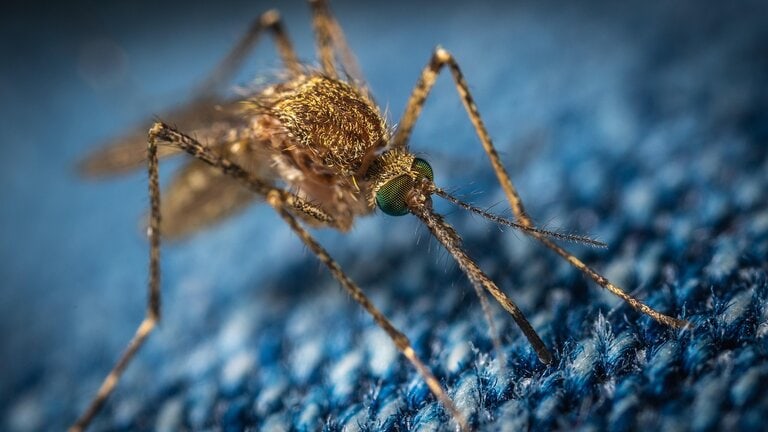
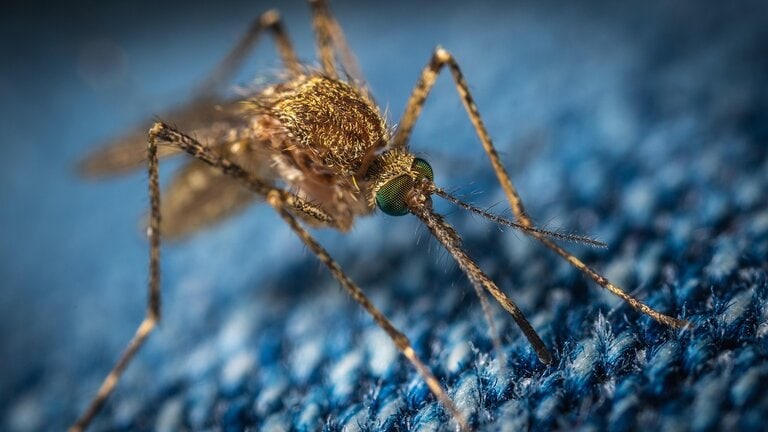
Image: Pixabay
Pest Control Vernon British Columbia: Navigating the Deep Freeze Amidst Cloudy Skies (Week of March 17, 2026)
Welcome back to your weekly bug report, Vernon homeowners! This week, as cloudy skies hang over the valley and temperatures plummet to a frosty -12.49°C, outdoor pest activity is practically nonexistent. For those of us used to the Okanagan’s arid, interior mountain climate, this deep freeze means most overwintering pests are hunkered down, either dormant outdoors or, more concerningly for homeowners, seeking warmth inside. This extreme cold brings our overall bug risk level to a reassuringly low point. While you might still be hitting the slopes at SilverStar, your immediate concerns regarding active infestations from common outdoor pests are minimal right now, which is great news for effective pest control Vernon British Columbia strategies.
This Week’s Weather and What It Means for Bugs
Vernon, British Columbia is currently experiencing significantly cold conditions, with temperatures at -12.49°C (10°F) and moderate humidity at 54% under cloudy skies. These frigid temperatures play a crucial role in suppressing the activity and survival of many common pests. Most ectothermic insects are rendered completely inactive or driven into overwintering states at such low temperatures. The primary biological response to -12.49°C is to seek deep shelter, enter diapause, or face mortality if directly exposed. The 54% humidity, while less critical than temperature, can influence desiccation rates for insects in exposed, dry microclimates, but is generally less impactful for those in adequately sheltered overwintering sites.
For species like the Boxelder Bug (Boisea trivittata) and the invasive Brown Marmorated Stink Bug (Halyomorpha halys), the observed -12.49°C (10°F) actively triggers overwintering behavior. According to research from Washington State University Extension, Boxelder Bugs will be in a complete state of diapause, actively seeking protected locations such as wall voids, attics, or under leaf litter to avoid lethal freezing temperatures. Similarly, for Brown Marmorated Stink Bugs, this temperature is well below their activity threshold; studies from Oregon State University indicate that sustained exposure to -12.49°C would lead to high mortality in unsheltered populations, driving them to aggregate indoors for warmth and protection.
Even robust social insects like Carpenter Ants (Camponotus spp.) are heavily impacted by these conditions. At -12.49°C (10°F), outdoor foraging activity would have entirely ceased. According to entomological findings from the University of British Columbia, colonies survive by retreating deeper into their insulated galleries within wood structures or soil, where temperatures are more stable and above freezing. Their metabolic rates are drastically reduced, and development is halted, allowing them to conserve energy throughout the cold period. The 54% humidity level helps maintain a stable environment within these protected overwintering sites, preventing excessive moisture loss for these dormant colonies.
What to Do This Week in Vernon
With temperatures dipping to a crisp -12.49°C this week, our local Vernon pests are definitely looking for a warm place to hunker down, even with a low overall bug risk. This is prime time for rodents, spiders, and overwintering insects to try and sneak into your cozy home. We strongly recommend taking a few minutes to walk around your property, paying close attention to potential entry points. Specifically, check the seals around all windows and doors for gaps or cracks, and ensure weather stripping is intact. Don’t forget to inspect around utility lines, dryer vents, and any foundation cracks – especially common in some of Vernon’s older homes or properties bordering our beautiful natural areas. A small gap can be a big welcome sign for unwanted guests, and proactive pest control Vernon British Columbia is all about preventing those unwelcome intrusions before they start.
Beyond the exterior, this is an excellent week to give your attic, basement, and crawl spaces a quick once-over. These often-forgotten areas are perfect havens for pests seeking shelter from the bitter cold, so look for any signs of droppings, gnaw marks, or actual insects. If you’re stocking up on firewood, remember to store it at least 20 feet away from your home and elevated off the ground; bringing it too close or storing it indoors can inadvertently introduce overwintering pests like spiders or cluster flies right into your living space. Taking these simple steps now will make a big difference in keeping your home pest-free and warm throughout the rest of winter.
Frequently Asked Questions about Pest Activity in Vernon
What common pests might Vernon residents see active in mid-March?
In mid-March, Vernon residents might notice increased activity from overwintering pests like rodents (mice, rats) as they seek food and shelter. Spiders can also become more visible indoors. Carpenter ants might emerge early, especially near woodpiles or damp areas around homes. Termite activity is typically later in the spring.
Are there specific pest concerns for homes in Vernon’s East Hill area during early spring?
Homes in Vernon’s East Hill, particularly those bordering natural areas or with older structures, can experience heightened rodent activity as they emerge from hibernation. Carpenter ants might also be an issue if they’ve overwintered in damp wood. Proactive sealing of entry points is highly recommended for prevention.
How can Vernon homeowners prevent early spring pest infestations?
To prevent early spring pests, seal foundation cracks, repair window screens, and ensure proper attic ventilation. Keep outdoor areas clear of debris and trim vegetation away from your house. If you notice persistent issues, contacting a local service for pest control Vernon British Columbia can provide effective solutions.
Despite low general bug risk, what should Vernon gardeners watch for in March?
Vernon gardeners in March should monitor for early signs of slugs or snails, especially in damp garden beds. Inspect newly emerging plants for aphid colonies, which can multiply quickly with warmer weather. Also, check stored bulbs for any signs of mold, rot, or insect damage before planting them.
Protect Your Home in Vernon, British Columbia
Don’t let local bug activity catch you off guard. Visit our local store to get expert advice and the right supplies for your specific location.