Bug Report: North Bay, Ontario – 2026-03-17
This Forecast is Out of Date. Please visit https://justbiteme.com/regional-bug-bite-forecast for an updated forecast

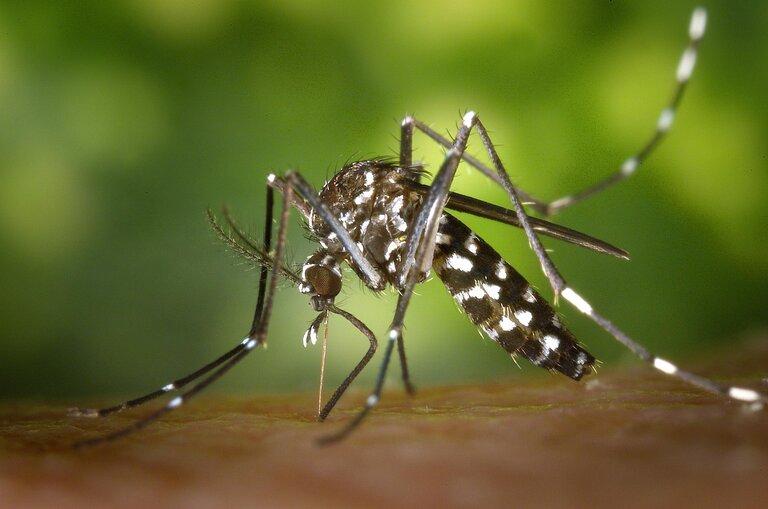
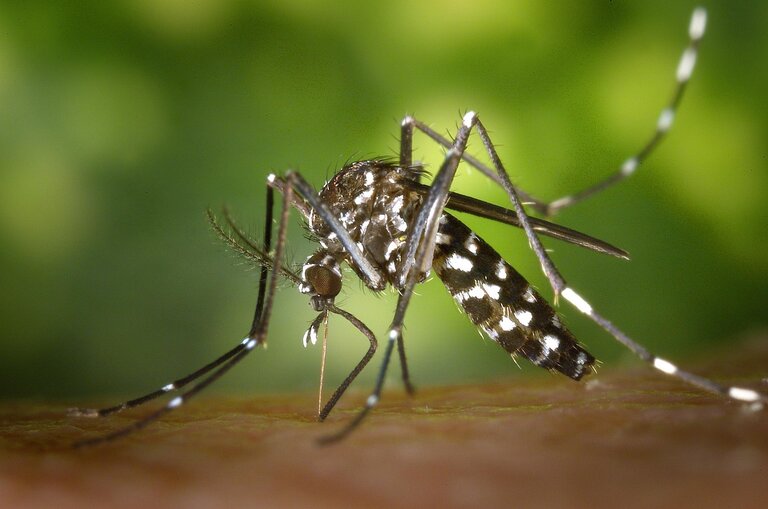
Image: Pixabay
Pest Control North Bay Ontario: Your Bug Report for a Cloudy, Chilly Week
Welcome back to your weekly update on pest control North Bay Ontario! As we navigate another cloudy and chilly week with temperatures hovering around -4°C and high humidity, you might be wondering what this means for household pests. This time of year, especially as the ice remains thick on Lake Nipissing and winter recreation is still very much a part of life, our risk level for most outdoor bug activity remains comfortably low. For homeowners in this distinct humid continental climate, a low risk means that while pests aren’t actively seeking entry, it’s an ideal time for preventative measures and checking for overwintering invaders before spring fully arrives.
This Week’s Weather and What It Means for Bugs
This week’s measured conditions in North Bay, with temperatures dipping to -4.17°C (24°F) and high humidity at 89% under cloudy skies, strongly dictate a period of deep dormancy for the vast majority of local insect populations. At -4.17°C, most cold-blooded organisms, including common pests, are well below their physiological activity thresholds, prompting them into a state of diapause or quiescence. For species like the Cluster Fly (Pollenia rudis), which often seek refuge in attics and wall voids, these frigid outdoor temperatures ensure they remain deeply inactive within their overwintering sites, conserving energy until warmer conditions prevail. According to research from the University of Guelph, sustained temperatures below freezing are critical for maintaining insect dormancy, effectively halting development and movement for all but the most cold-hardy or protected indoor populations.
The combination of -4.17°C and 89% humidity also plays a significant role in the survival strategies of overwintering pests. For insects like Boxelder Bugs (Boisea trivittata) and Western Conifer Seed Bugs (Leptoglossus occidentalis), which similarly seek sheltered spots in homes and structures, the high ambient humidity can be beneficial. Studies by researchers at the University of Toronto indicate that high humidity levels, such as the observed 89%, can help reduce the risk of desiccation for dormant insects in their insulated overwintering locations, thereby improving their survival rates through the cold season. While these pests are unlikely to be actively moving or feeding at -4.17°C, the outdoor conditions reinforce their continued reliance on protected indoor environments, minimizing any potential for exposure to lethal outdoor elements.
Even more robust pests, such as Carpenter Ants (Camponotus spp.), are profoundly affected by these conditions. At -4.17°C, these ants enter a state of torpor within their wood galleries, drastically reducing their metabolic rate. Research from Laval University confirms that colonies of carpenter ants exhibit minimal activity and development during prolonged periods of sub-zero temperatures like those measured this week. The 89% humidity, while less critical for an internal wood-dwelling pest, still contributes to the overall moisture balance in the external environment, indirectly influencing the condition of their wooden habitats. Consequently, residents of North Bay can expect minimal pest activity this week, with most insect threats either dormant outdoors or hunkered down deep within structures, awaiting the eventual thaw.
What to Do This Week in North Bay
While our current North Bay conditions – chilly at -4.17°C (24°F) with high humidity and clouds – suggest a low overall bug risk, it’s a prime time for proactive prevention. Pests are still actively seeking warmth and shelter from the cold. Start by inspecting your home’s foundation and exterior walls for any small cracks or gaps. Sealing these now prevents unwanted guests like mice and overwintering insects from finding their way indoors. Additionally, with the high humidity we’re experiencing, ensure that your crawl spaces and basements are adequately ventilated. Even in winter, moisture buildup can create an inviting environment for pests such as silverfish and centipedes, and contribute to issues that will require more significant intervention later.
Beyond the basics, consider some North Bay-specific checks. Pay special attention to your roofline, eaves, and soffits. Many North Bay homes, particularly those backing onto green spaces or older builds, can be vulnerable here. These are common entry points for rodents like squirrels and mice seeking warmth in your attic, and also for overwintering insects like cluster flies trying to escape the chill. Addressing these vulnerabilities now is far more effective than dealing with an infestation later. If you’re unsure where to start or need assistance, remember that professional pest control North Bay Ontario services are always available to help ensure your home remains pest-free as we head towards spring.
Frequently Asked Questions about Pest Activity in North Bay
What common pests might North Bay residents encounter in mid-March?
With temperatures still cool but hinting at spring, overwintering pests like cluster flies, lady beetles, and even some spiders might become active indoors. Rodents, seeking shelter and food, remain a year-round concern. While outdoor activity is low, these indoor pests can emerge from hibernation or seek warmer spaces as the weather shifts.
When is the best time for early preventative pest measures in North Bay?
Mid-March is an opportune time to assess your home for potential entry points before active spring pest seasons begin. Sealing cracks and repairing screens can prevent future issues. If you’re noticing early signs of pests, considering professional **pest control North Bay Ontario** can help prevent larger infestations as spring approaches. Early action saves hassle.
Are homes in North Bay’s West Ferris area more susceptible to specific pests?
Properties in West Ferris, particularly those near wooded areas or older infrastructure, can sometimes experience higher incidences of rodents or carpenter ants. Proximity to natural environments increases the chance of wildlife encounters, while older homes might have more entry points. Regular inspections are key for these areas.
Is there a risk of outdoor pests like ticks or mosquitoes in North Bay in mid-March?
In mid-March, the risk of encountering outdoor pests like ticks and mosquitoes in North Bay remains very low. Temperatures are typically too cold for their active life cycles. While isolated warm spells can occur, sustained activity won’t begin until late spring or early summer. Focus remains on indoor pests.
What should North Bay residents know about year-round indoor pests like bed bugs?
Bed bugs and cockroaches are indoor pests that can be present year-round, regardless of outdoor temperatures. They are typically introduced through travel or secondhand items. Early detection and professional treatment are crucial for these pests, as they can multiply quickly and are challenging to eliminate without expert help.
Protect Your Home in North Bay, Ontario
Don’t let local bug activity catch you off guard. Visit our local store to get expert advice and the right supplies for your specific location.