Bug Report: Kelvington, Saskatchewan – 2026-03-17
This Forecast is Out of Date. Please visit https://justbiteme.com/regional-bug-bite-forecast for an updated forecast

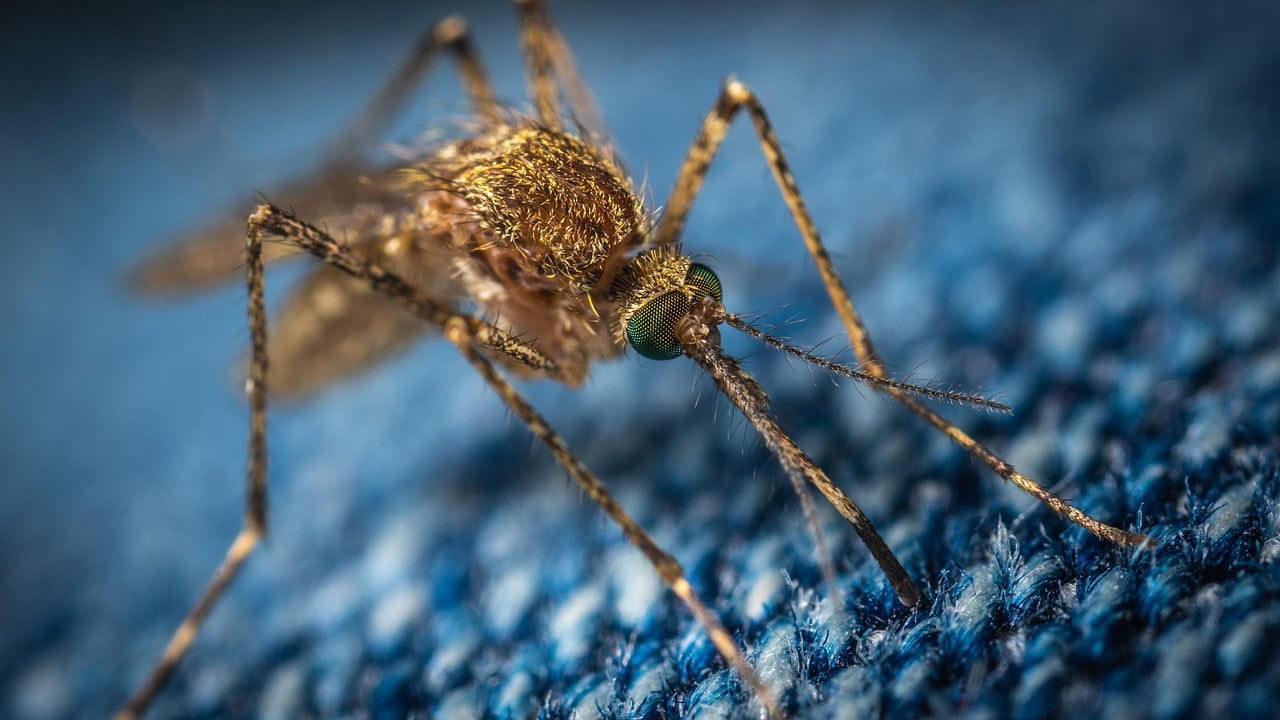
Image: Pixabay
Pest Control Kelvington Saskatchewan: Navigating Mild March Conditions (March 17, 2026)
Welcome back to your trusted bug report for Kelvington! As we move through the week of March 17, 2026, the local conditions are holding steady at a mild 2.27°C with high 96% humidity under cloudy skies. For effective pest control Kelvington Saskatchewan, understanding these subtle shifts is key. While many of us might be thinking about upcoming spring activities around the Kelvington & District Museum or planning early yard work, the good news is that our overall bug risk level remains Low. This means homeowners here in our prairie region aren’t facing an immediate onslaught of pests. Instead, it’s a prime time for proactive measures, rather than reactive pest battles.
This Week’s Weather and What It Means for Bugs
Kelvington’s recent weather, with temperatures hovering at 2.27°C (36°F) and a high relative humidity of 96%, is a critical factor influencing local pest biology. At this chilly temperature, most insect metabolic processes, including feeding, reproduction, and development, are significantly slowed or entirely halted. Many species enter a state of diapause or torpor, seeking sheltered locations to survive the cold. The exceptionally high humidity, while not directly causing activity at this low temperature, plays a crucial role in preventing desiccation for overwintering pests, ensuring they remain viable until warmer conditions arrive. According to entomological studies from the University of Guelph’s insect physiology department, temperatures around freezing lead to a near-dormant state for temperate insect species, where energy reserves are conserved.
For common overwintering household nuisance pests like Boxelder Bugs (Boisea trivittata) and Cluster Flies (Pollenia rudis), the 2.27°C (36°F) temperature ensures they remain inactive within wall voids, attics, and other protected areas of homes. These pests, which often seek indoor shelter in the fall, are in a non-feeding, non-reproductive state. Research from the University of Nebraska-Lincoln indicates that these insects require sustained temperatures above approximately 10°C (50°F) for significant activity. The 96% humidity, while damp, doesn’t directly prompt their activity in their typically dry indoor overwintering sites, but it does contribute to the overall environmental moisture, which can affect the integrity of their outdoor shelters. Similarly, moisture-loving decomposers such as Springtails (Collembola spp.) and Woodlice (Isopoda spp.) would be largely inactive at 2.27°C (36°F). However, the 96% humidity creates microclimates under leaf litter, logs, or in damp soil where these arthropods can maintain crucial body moisture, preventing lethal desiccation during their overwintering period. Findings from the University of Manitoba have shown that high moisture content in sub-zero microhabitats is vital for the survival of many soil arthropods during winter.
In summary, the 2.27°C (36°F) temperature observed this week largely keeps pest activity to a minimum, with most species either overwintering in protected states or experiencing extremely slow metabolic rates. The 96% humidity contributes to a damp environment that, while not immediately causing pest issues due to the cold, provides conditions beneficial for the survival of certain overwintering stages by preventing desiccation. As Kelvington transitions out of winter, these conditions are setting the stage for future pest activity, particularly for moisture-dependent species once temperatures consistently rise above their activity thresholds.
What to Do This Week in Kelvington
With that brisk 2.27°C (36°F) and a whopping 96% humidity, our focus this week in Kelvington truly needs to be on moisture management. That high humidity means any existing damp spots in your basement, crawl space, or under sinks become prime real estate for moisture-loving pests like silverfish, sowbugs, and even earwigs. Check for leaky pipes, condensation, or any standing water and address it promptly. This isn’t just about preventing creepy crawlies; it also helps deter mould growth, which some pests feed on. If you’ve noticed any excessive dampness, consider running a dehumidifier in affected areas to reduce the ambient humidity indoors, making your home a less inviting environment for these unwelcome guests.
Next, take a moment to inspect the exterior of your home. Even with the low bug risk, critters are still looking for warmth. Look for any small cracks or gaps around your foundation, window frames, and door sweeps. A tiny opening is all a mouse needs to slip inside, especially as they seek shelter from the chilly mornings. Furthermore, if you have firewood stacked near your home, or any old lumber in a shed, common to our Kelvington properties, ensure it’s stored at least six inches off the ground and a foot away from the house. This high humidity can make these piles incredibly attractive to pests seeking shelter, and you don’t want to inadvertently invite them closer to your living space. For reliable guidance on keeping your home pest-free, remember that effective pest control Kelvington Saskatchewan is about proactive steps.
Frequently Asked Questions about Pest Activity in Kelvington
What common pests should Kelvington residents watch for in mid-March?
In mid-March, Kelvington residents might encounter overwintering pests like cluster flies or box elder bugs emerging from hibernation. Rodents, such as mice, may still be seeking indoor warmth and food sources before outdoor foraging becomes abundant. Spiders might also be noticeable indoors.
Are mice a common problem for homes in Kelvington during early spring?
Yes, mice can remain a concern for Kelvington homes in early spring. As outdoor food sources are still scarce, they often continue to seek shelter and sustenance indoors. Sealing entry points and maintaining clean food storage are crucial preventative measures for homeowners.
Are properties near the Kelvington School more susceptible to specific pest issues?
Properties near the Kelvington School, especially those with mature trees or close proximity to green spaces, might experience increased activity from pests like overwintering insects or occasional rodents seeking shelter. General vigilance and proper home maintenance are recommended for these areas.
What are the best preventative measures for pests in Kelvington this time of year?
Effective preventative measures for Kelvington in March include sealing cracks in foundations, ensuring screens are intact, and promptly cleaning up food spills. Storing firewood away from the house and maintaining tidy outdoor areas also helps deter pests.
When should I consider professional pest control services in Kelvington?
If you notice persistent pest activity, discover signs of a significant infestation, or are unable to manage pests with DIY methods, it’s advisable to contact professionals. For effective and safe pest control in Kelvington Saskatchewan, experts can identify the source and implement targeted solutions to protect your home.
Protect Your Home in Kelvington, Saskatchewan
Don’t let local bug activity catch you off guard. Visit our local store to get expert advice and the right supplies for your specific location.