Bug Report: Fort McMurray, Alberta – 2026-03-17
This Forecast is Out of Date. Please visit https://justbiteme.com/regional-bug-bite-forecast for an updated forecast

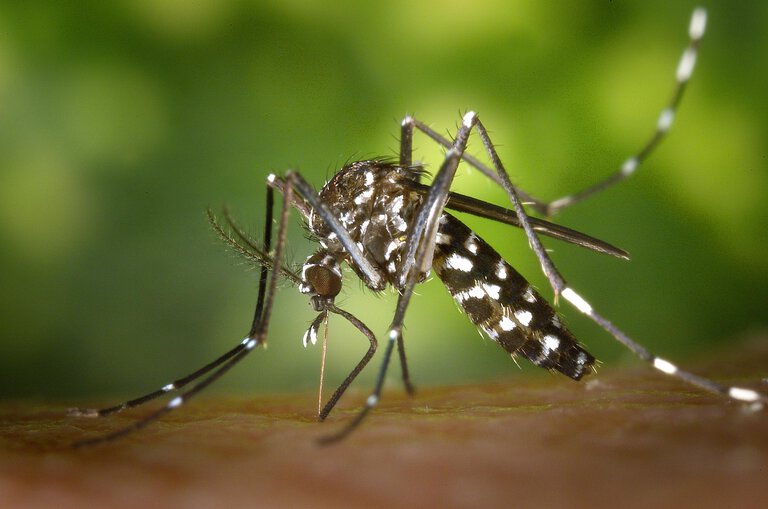
Image: Pixabay
Pest Control Fort McMurray Alberta: A Look at This Week’s Mild, Cloudy Conditions (March 17, 2026)
Welcome back to your weekly bug report! As we pass March 17th, Fort McMurray is experiencing a relatively mild stretch with cloudy skies, temperatures hovering around 0.31°C, and 77% humidity. For those of us keeping an eye on pest control Fort McMurray Alberta, these conditions mean our overall bug risk level remains Low. This is typical for our northern Alberta climate, where the deep freeze generally keeps most pests dormant or sheltered indoors. While you might be enjoying a crisp walk along the Clearwater River or starting to eye spring cleanup projects around Timberlea, the good news is that active outdoor pest encounters are minimal right now. A ‘Low risk’ means homeowners should primarily focus on interior pest prevention and monitoring, rather than bracing for an outdoor invasion.
This Week’s Weather and What It Means for Bugs
This week’s measured conditions in Fort McMurray, with a temperature of 0.31°C (33°F) and 77% humidity under cloudy skies, signify a critical period for many local pest populations, primarily affecting their overwintering strategies. At 0.31°C, most insect metabolic processes are significantly slowed or completely halted. For pests like the **boxelder bug (Boisea trivittata)** and **cluster fly (Pollenia rudis)**, which commonly seek shelter in structures during colder months, this near-freezing temperature maintains them in a state of diapause or extreme inactivity. According to research from the University of Alberta’s Department of Biological Sciences, such temperatures are crucial for conserving energy and ensuring survival through the winter without active feeding or reproduction. The accompanying 77% humidity, while not directly promoting activity at this temperature, plays a role in preventing desiccation within their sheltered overwintering sites, such as wall voids or attics, as high humidity helps maintain moisture balance in the microenvironment, an important factor for long-term survival even when dormant, as indicated by entomological studies published in the Canadian Journal of Arthropod Identification.
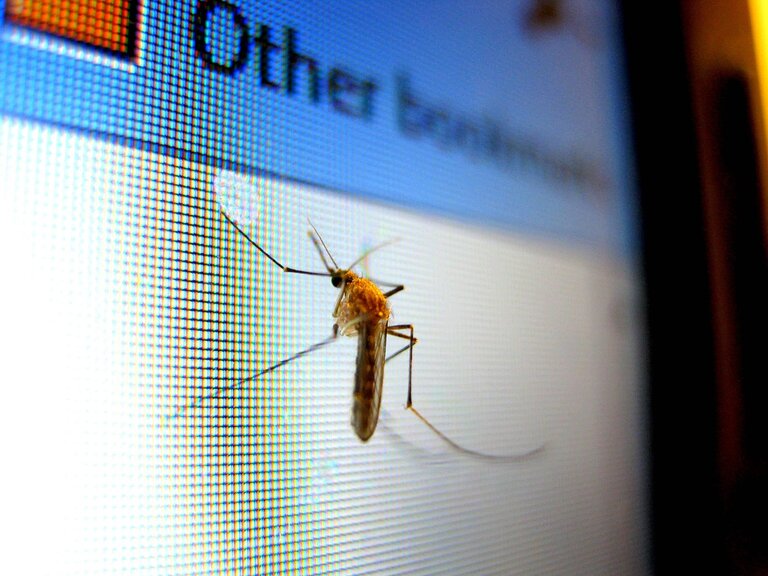
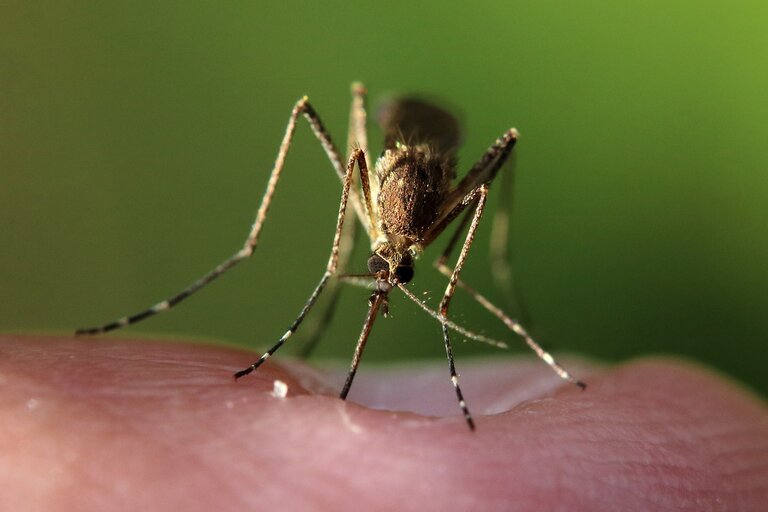
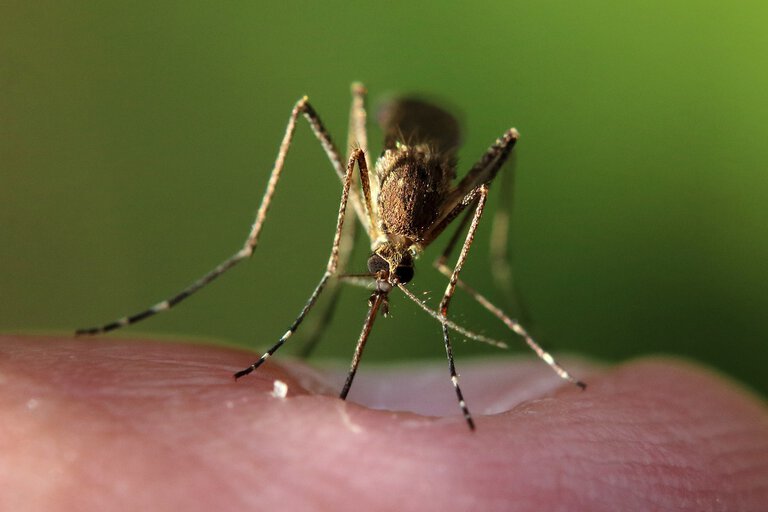
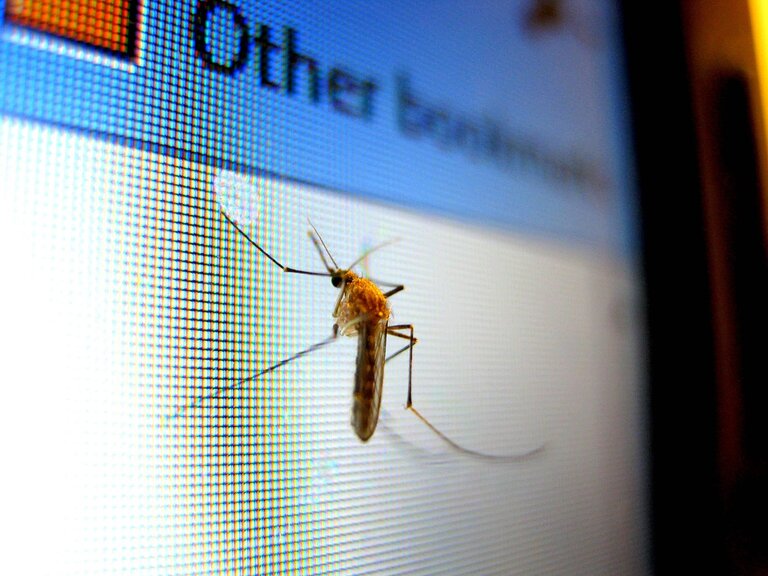
For mosquitoes, the 0.31°C temperature is well below the threshold for adult activity, but it directly impacts their overwintering stages. Specifically, the eggs of many **Aedes species mosquitoes**, known for their cold hardiness, remain in a state of suspended animation at this temperature, waiting for more favorable conditions to hatch. Similarly, larvae of certain **Culiseta species**, which can overwinter in water just above freezing or even encased in ice, maintain extremely suppressed metabolic rates at 0.31°C. Studies from the University of Manitoba on northern mosquito ecology confirm that while development ceases, these stages are highly resilient. The 77% humidity, coupled with cloudy conditions, contributes to a moist environment that, once temperatures consistently rise above freezing, will readily support the formation of snowmelt pools and standing water, providing essential aquatic habitats for future hatching and larval development.
The cloudy conditions, while less impactful than temperature or humidity for dormant pests, suggest reduced direct solar radiation, potentially leading to slower thawing of frozen ground and water bodies. This means that at 0.31°C, the cold conditions persist more uniformly, extending the period of dormancy for soil-dwelling insects or those in sheltered locations. For structure-infesting pests like boxelder bugs and cluster flies, the consistency of these low temperatures means they will remain inactive within homes and buildings for the foreseeable future, minimizing their immediate nuisance but ensuring their continued presence until spring. According to reports from the Pest Management Regulatory Agency of Canada, understanding these subtle interactions between temperature, humidity, and cloud cover is key to predicting future pest pressure as the seasons transition.
What to Do This Week in Fort McMurray
As we navigate the week of March 17th here in Fort McMurray, with temperatures hovering just above freezing at 0.31°C and high humidity, it’s a prime time for proactive pest control. Even with a low bug risk level, these conditions can encourage critters to seek warmth and shelter. To ensure your home remains pest-free, we recommend a few key steps this week. First, focus on sealing up potential entry points. Given the fluctuating temperatures, rodents like mice are actively looking for any crack or gap to escape the cold and find warmth inside your walls or basement. Check around utility lines, pipes, foundation cracks, and especially under doors and around window frames. Even a small gap the size of a dime can be an open invitation for a rodent, so vigilant sealing is a critical step in effective pest control Fort McMurray Alberta.
Secondly, pay close attention to managing interior moisture. With 77% humidity and cloudy skies outside, any existing indoor dampness can become a haven for moisture-loving pests such as silverfish or sowbugs, and even encourage mold growth which attracts other nuisance insects. Inspect basements, crawl spaces, and areas around plumbing for any signs of leaks or condensation. Utilizing exhaust fans in bathrooms and kitchens, and ensuring proper ventilation, will help keep your home dry and less appealing to these unwanted guests. Finally, take a quick look at your home’s immediate perimeter. While a full yard clean-up might still be a few weeks away, remove any leaves, debris, or materials directly against your foundation. In Fort McMurray, where many homes have decks or sheds close to the main structure, these spots can offer perfect sheltered harborage for rodents and insects trying to get indoors. By taking these simple preventative measures now, you’ll be well on your way to a pest-free spring.
Frequently Asked Questions about Pest Activity in Fort McMurray
What pest activity can Fort McMurray residents expect in mid-March?
In mid-March, pest activity in Fort McMurray remains relatively low due to lingering cold temperatures. Residents might occasionally encounter overwintering pests like spiders or cluster flies seeking warmth indoors. Outdoor insect populations are largely dormant, so significant outdoor pest concerns are uncommon at this time of year.
Are mosquitoes a concern for Fort McMurray residents in March?
No, mosquitoes are not a concern in Fort McMurray during March. The temperatures are still far too cold for mosquito activity. These pests typically emerge much later in the spring and become more prevalent during the warmer summer months, especially in areas near standing water. Residents won’t need to worry about them for several weeks.
Do residents in Timberlea, Fort McMurray, face unique pest challenges?
Residents in Timberlea, like other Fort McMurray neighborhoods, primarily deal with common household pests such as mice and spiders, especially as they seek indoor shelter. While proximity to green spaces can increase encounters with outdoor insects later in the season, specific unique challenges aren’t generally attributed solely to Timberlea compared to other residential areas.
What proactive steps can Fort McMurray homeowners take against pests as spring approaches?
As spring nears, Fort McMurray homeowners should inspect their property for potential pest entry points. Seal cracks in foundations, repair screens, and ensure proper door sweeps. Clearing leaf litter and debris from around the home also helps eliminate hiding spots. For persistent issues, contacting professional pest control Fort McMurray Alberta services can provide effective solutions.
With low bug risk, what should Fort McMurray residents monitor for indoors in March?
Even with low outdoor bug risk in March, Fort McMurray residents should monitor for common indoor pests. Keep an eye out for signs of mice, which might still be seeking warmth, or spiders and cluster flies that overwintered in attics or wall voids. Early detection helps prevent infestations from becoming established before warmer weather arrives.
Protect Your Home in Fort McMurray, Alberta
Don’t let local bug activity catch you off guard. Visit our local store to get expert advice and the right supplies for your specific location.