Bug Report: Boyle, Alberta – 2026-03-17
This Forecast is Out of Date. Please visit https://justbiteme.com/regional-bug-bite-forecast for an updated forecast

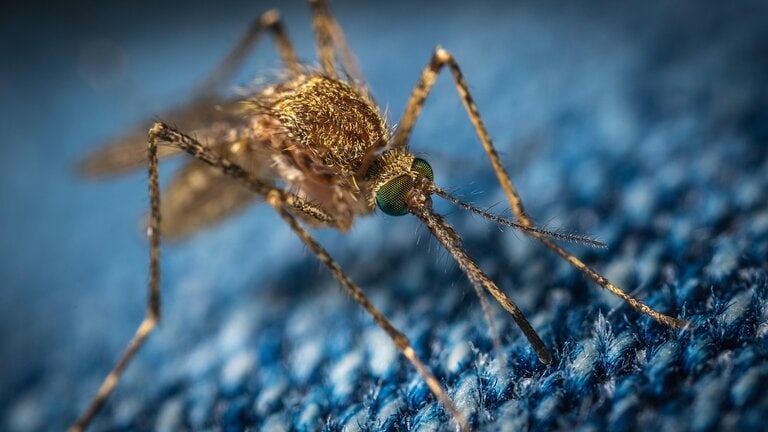
Image: Pixabay
Pest Control Boyle Alberta: What to Expect on a Cloudy, Chilly March 17th
Welcome to this week’s update on pest control Boyle Alberta, where the chill of winter still holds strong. With temperatures hovering around -8.27°C (17°F), cloudy skies, and high humidity at 89%, most pests are definitely hunkering down. For homeowners near the Boyle School or enjoying the quiet around Long Lake Provincial Park, this means we’re currently experiencing a Low bug risk level. This low risk translates to minimal active pest threats; most insects and rodents are either dormant or seeking deep shelter, so you won’t see much activity. This is typical for our persistent prairie winters here in Alberta.
This Week’s Weather and What It Means for Bugs
The measured conditions this week in Boyle, featuring a frigid -8.27°C (17°F) and a high 89% humidity under cloudy skies, create a challenging environment for most outdoor pest activity. At these sub-freezing temperatures, the metabolic processes of cold-blooded insects dramatically slow, forcing them into diapause – a state of suspended development – or leading to mortality for species unable to tolerate such cold. Research from the University of Manitoba’s Department of Entomology consistently shows that sustained temperatures well below 0°C (32°F) are critical thresholds that dictate insect survival and activity patterns in Northern climates, effectively bringing outdoor insect life to a standstill. The high 89% humidity, while not directly causing insect activity at these temperatures, can be a factor for overwintering pests, potentially preventing desiccation in sheltered locations.
For specific pest species, these conditions elicit distinct biological responses. Outdoor nuisance pests such as adult Boxelder Bugs (Boisea trivittata) and Cluster Flies (Pollenia rudis) are highly susceptible to temperatures like -8.27°C (17°F). This intense cold acts as a strong environmental cue, compelling them to abandon outdoor habitats and seek warmth and shelter within residential structures, often aggregating in wall voids and attics for overwintering. Studies from the University of Minnesota’s Extension highlight these freezing temperatures as the primary driver for these pests to seek indoor refuge. While overwintering, the surrounding 89% humidity, if it leads to moisture accumulation in sheltered structural areas, could potentially contribute to conditions favoring mold growth on organic materials, indirectly affecting their harborage quality, though their initial motivation for indoor migration is purely temperature-driven.
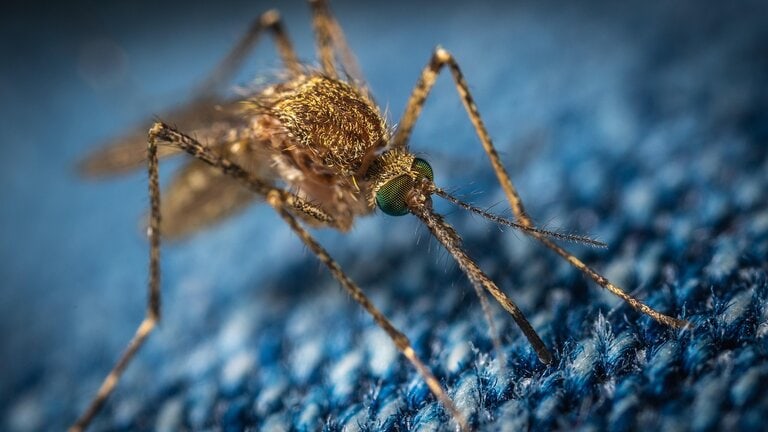
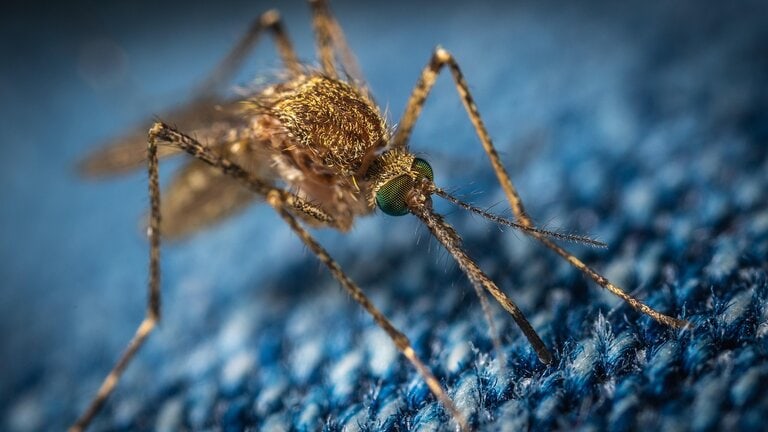
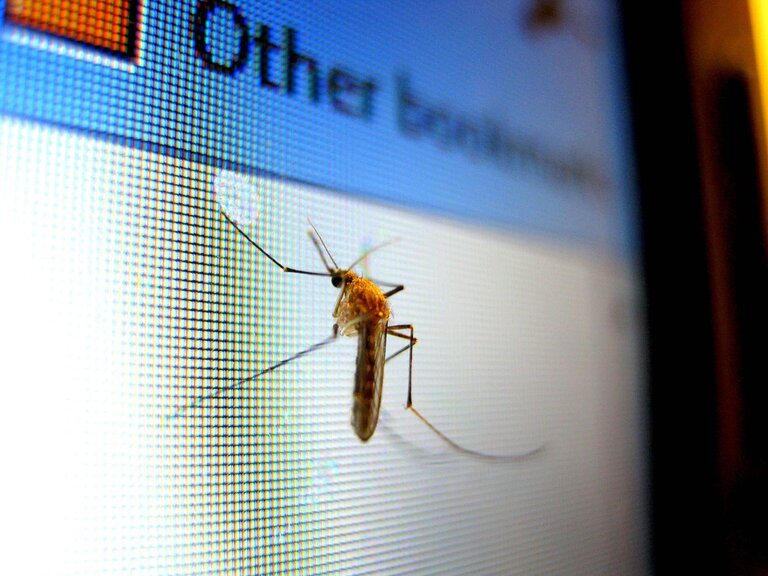
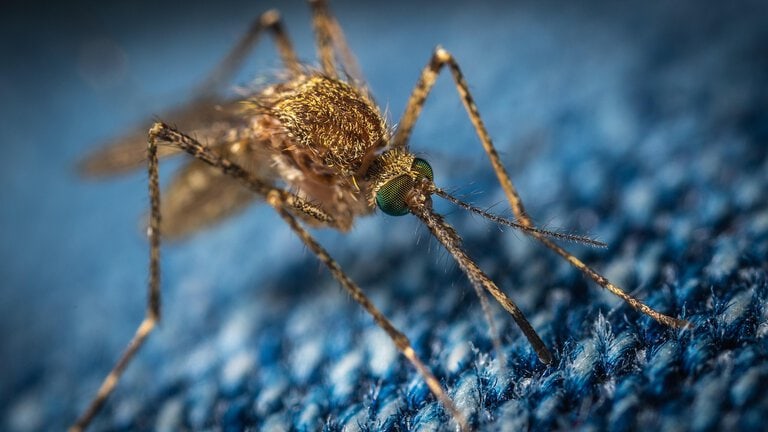
Conversely, common outdoor pests like adult Mosquitoes (e.g., Aedes vexans and Culiseta inornata) are entirely inactive or killed by temperatures of -8.27°C (17°F). Adult mosquitoes cannot survive these freezing conditions, and any overwintering eggs or larvae in frozen water bodies are in a state of arrested development, waiting for spring thaws. According to the Canadian Centre for Mosquito Management, sustained sub-zero temperatures effectively halt the active mosquito life cycle outdoors, virtually eliminating any risk of bites. However, these extreme outdoor conditions intensify the pressure for year-round indoor pests like German Cockroaches (Blattella germanica) and House Mice (Mus musculus) to remain, and actively seek resources, within heated environments. The 89% humidity, if replicated indoors due to poor ventilation or structural issues, could potentially support cockroach populations, which thrive in moist conditions, as noted by research from the University of Florida’s Entomology Department, by reducing desiccation stress on their exoskeletons and eggs.
What to Do This Week in Boyle
With temperatures settling around -8.27°C (17°F) and cloudy skies, pests are actively seeking warmth and shelter indoors, even if the overall risk is low. This week, we recommend focusing on preventative measures to keep those uninvited guests out. First, grab some caulk or steel wool and meticulously seal up any cracks or gaps you find around window frames, door sweeps, utility lines, and foundation cracks. Even the smallest opening is an open invitation for rodents and various insects desperate to escape the frigid Boyle air. Secondly, despite the cold, our high 89% humidity outside means you should monitor for indoor moisture. Check your basement, attic, and around windows for signs of condensation or dampness, ensuring proper ventilation. Damp conditions attract moisture-loving pests like silverfish, sowbugs, and can even encourage mold growth, which then attracts other pests.
For homes across Boyle, especially those that rely on wood heating, pay close attention to firewood. Before bringing any wood indoors, give it a good shake and a thorough visual inspection outside. Firewood is a common hiding spot for spiders, rodents, and various overwintering insects looking for a free ride into your warm home – this is a classic Boyle winter pest entry point! By taking these proactive steps now, you can significantly reduce the chances of a winter pest problem. If you find yourself facing more than just a few stragglers, remember that professional pest control Boyle Alberta services are always here to help you maintain a pest-free home.
Frequently Asked Questions about Pest Activity in Boyle
What common pests might Boyle residents encounter indoors during mid-March?
Even with a low bug risk, Boyle homes might still see overwintering pests like cluster flies or boxelder bugs emerging from attics or wall voids as temperatures fluctuate. Rodents, primarily mice, could also remain active indoors, seeking lingering warmth and food sources before spring fully arrives. Spiders are also common indoor dwellers.
Are there any specific pest concerns for homes near Skeleton Lake in Boyle?
Properties close to Skeleton Lake might experience increased activity from moisture-loving pests like earwigs or sowbugs once spring rains begin, though less so in mid-March. Occasional rodent sightings near water sources are also possible. Proactive sealing of entry points is crucial for these lakeside residences to prevent future infestations.
What proactive steps can Boyle homeowners take against pests this time of year?
Boyle homeowners should focus on sealing cracks and gaps in foundations and around windows/doors to prevent entry. Ensure proper sanitation, store food in airtight containers, and promptly address any leaks or moisture issues. Regularly inspect basements and attics for early signs of pest activity to tackle problems before they escalate.
When should I consider professional pest control services in Boyle, Alberta?
If DIY methods aren’t effective, or if you notice recurring or large-scale infestations of pests like rodents, ants, or spiders, it’s time to call experts. Persistent pest problems can indicate hidden sources or require specialized treatments. Professional **pest control Boyle Alberta** services can accurately identify the pest and implement targeted, safe solutions.
Protect Your Home in Boyle, Alberta
Don’t let local bug activity catch you off guard. Visit our local store to get expert advice and the right supplies for your specific location.