Bug Report: Augusta, Georgia – 2026-03-17
This Forecast is Out of Date. Please visit https://justbiteme.com/regional-bug-bite-forecast for an updated forecast

Image: Pixabay
Pest Control Augusta Georgia: Cloudy & Cool at 42°F (5.32°C) with 96% Humidity (Week of March 17, 2026)
Welcome back, Augusta homeowners! As we move through the week of March 17, 2026, the forecast is holding steady with cloudy skies, a cool 42°F (5.32°C), and a muggy 96% humidity. Given these conditions, I’m happy to report a Low risk level for most household pests. This means that while you might be enjoying a brisk walk along the Savannah Riverwalk or gearing up for spring events, the cooler temperatures typical for our humid South climate are keeping most insects and arachnids less active. For effective pest control Augusta Georgia, this lower activity period is an excellent time for preventative measures, rather than active combat.
This Week’s Weather and What It Means for Bugs
Augusta, Georgia experienced unusually cold temperatures this week, measuring at 5.32°C (42°F), coupled with very high humidity at 96% and cloudy conditions. These specific measurements are critical in understanding current pest activity. At 5.32°C, most ectothermic insects, including many common pests, experience significantly reduced metabolic rates. This means their development, feeding, and reproductive cycles are severely curtailed or entirely halted. The high 96% humidity, while generally beneficial for many invertebrates, at this low temperature primarily serves to maintain moisture in potential harborage and breeding sites without promoting active growth or dispersal for most species.
For indoor pests like the German Cockroach (Blattella germanica), the 5.32°C (42°F) outdoor temperature ensures they remain deep within climate-controlled indoor environments. According to research from the University of Florida, temperatures below 15°C significantly slow or stop German cockroach development and activity, making 5.32°C well below their active threshold. While they prefer moderate to high humidity, the 96% outdoor humidity at this low temperature does not encourage outdoor activity but rather reinforces their need to seek warm, sheltered, and often drier microclimates indoors to avoid potential fungal issues or cold stress. Meanwhile, Subterranean Termites (Reticulitermes spp.) will experience reduced foraging activity near the surface due to the 5.32°C air temperature. However, their colonies typically reside deeper in the soil where temperatures are more stable. According to entomological studies from the University of Georgia, while surface activity slows, subterranean colonies can remain active in deeper soil layers where temperatures might be slightly warmer. The 96% humidity is highly favorable, ensuring the soil around their tunnels remains consistently moist, which is crucial for preventing desiccation within the colony’s extensive network.
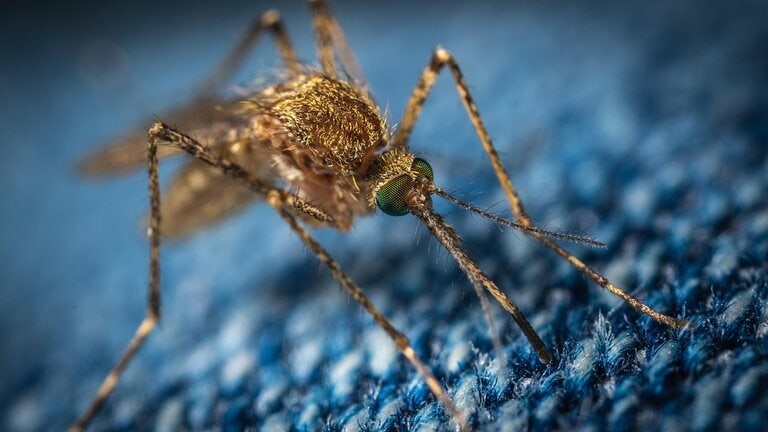
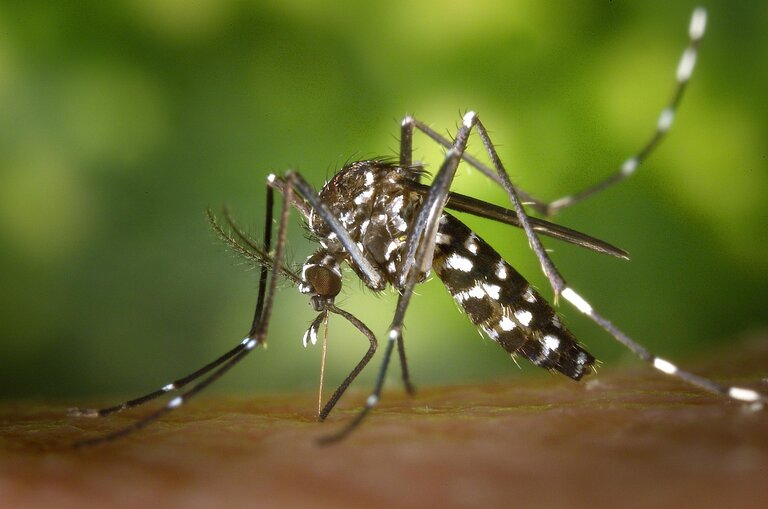
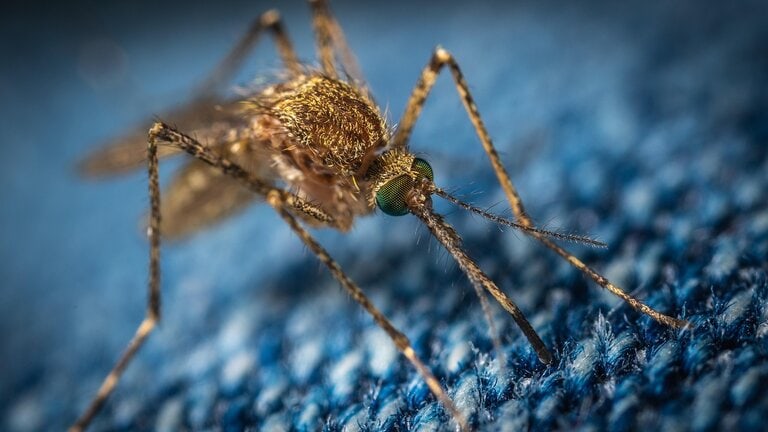
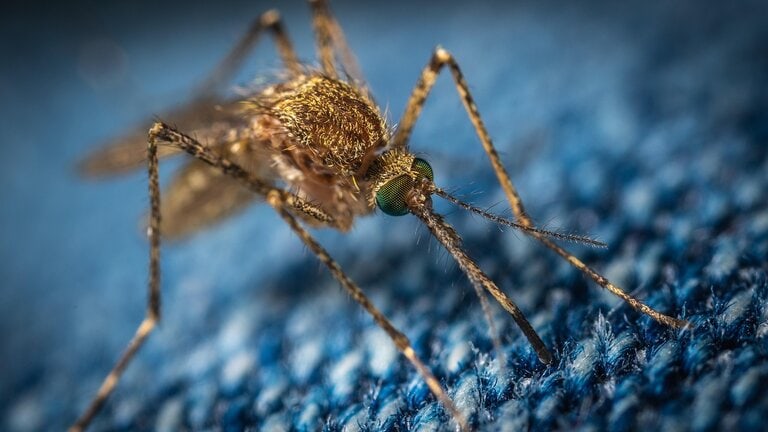
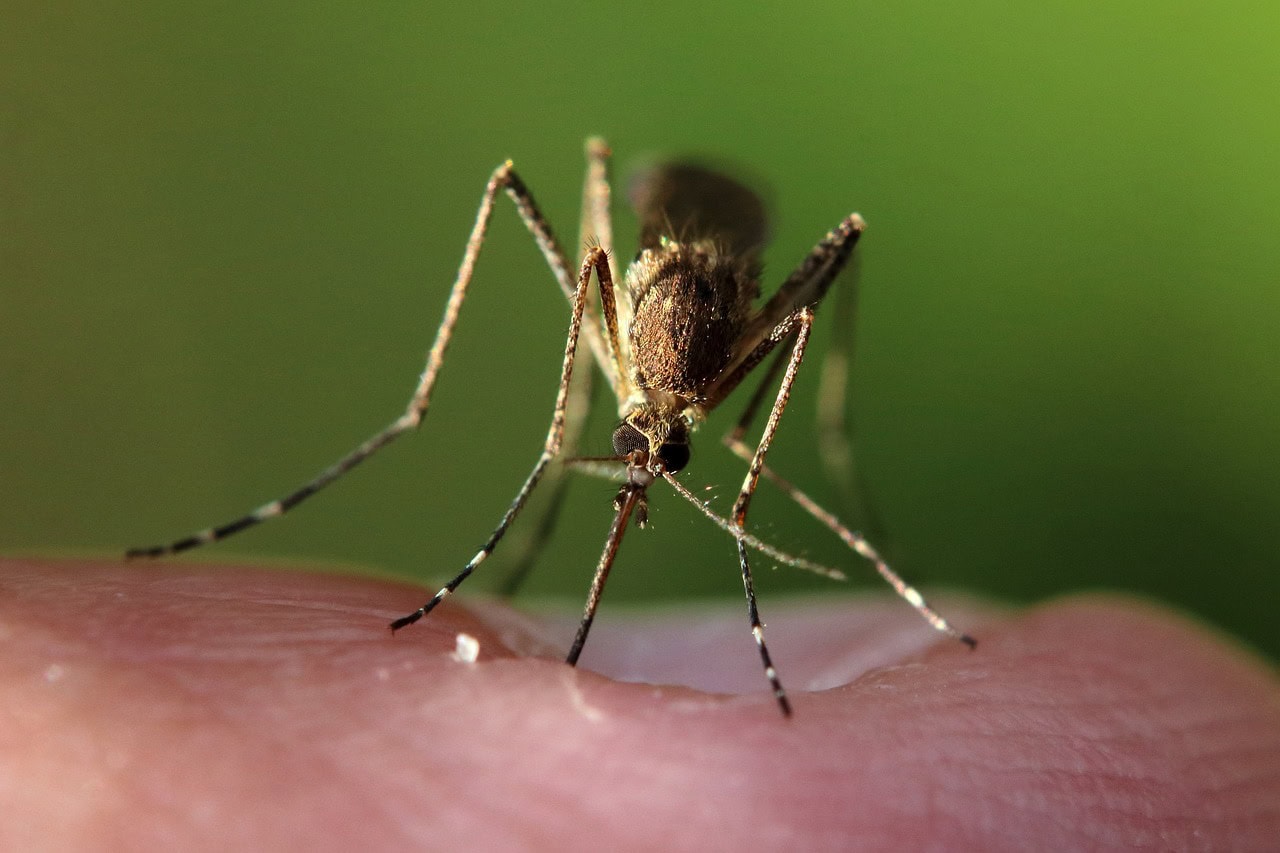
Outdoor pests such as Mosquitoes (e.g., Culex quinquefasciatus and Aedes albopictus) are largely inactive at 5.32°C (42°F). Adult mosquitoes, particularly those that overwinter in sheltered locations like Culex quinquefasciatus, would be in a state of torpor or seeking deep refuge. For species like Aedes albopictus that overwinter as eggs, development would be completely arrested. Research from the Georgia Tech Research Institute indicates that sustained temperatures below 10°C drastically reduce or cease mosquito flight, feeding, and breeding activities. The 96% humidity, while not directly promoting adult activity at this temperature, plays a vital role in maintaining the integrity of potential breeding sites, ensuring that any standing water sources do not evaporate. This means that once temperatures begin to rise consistently, these high-humidity conditions will have kept breeding habitats primed for rapid larval development.
What to Do This Week in Augusta
With temperatures around 5.32°C (42°F) and a significant 96% humidity this week in Augusta, pests might be less active, but they are certainly seeking dry, warm shelter. This high humidity creates prime conditions for moisture-loving invaders like cockroaches, silverfish, and even fosters environments conducive to termites. Your first line of defense should be a thorough indoor moisture check. Pay close attention to leaky pipes under sinks, dripping faucets, and any signs of dampness in your basement or, especially, your crawl space – a common vulnerability in many Augusta homes. Promptly repairing these issues removes a major attractant. Additionally, take a moment to inspect and seal any small cracks around windows, doors, and foundation walls. Even minor gaps can become inviting entry points for pests looking to escape the damp outdoor air.
Moving outside, ensure your gutters and downspouts are clear of debris and directing water away from your home’s foundation. Clogged gutters can lead to water pooling, creating a consistently damp perimeter that attracts everything from ants to rodents. Similarly, clear away any leaf litter, woodpiles, or other organic debris that’s sitting too close to your house, as these offer perfect, damp harborage for various critters. While bug risk is low this week, these proactive steps now are crucial in preventing bigger pest problems as spring approaches. Addressing these moisture and entry point issues early is key to effective pest control Augusta Georgia, ensuring your home remains comfortable and pest-free in the long run.
Frequently Asked Questions about Pest Activity in Augusta
What common pests might Augusta, Georgia residents encounter in mid-March?
Even with low overall bug risk in mid-March, Augusta residents might start noticing common invaders like pavement ants seeking food indoors, small spiders, and occasional early mosquitoes if temperatures rise. Cooler nights generally keep populations down, but monitoring for activity around foundations and moist areas is always wise for proactive pest management.
Are homes in Augusta’s historic Summerville neighborhood more susceptible to specific pest issues?
Yes, due to its mature trees, older homes, and dense landscaping, Summerville residences can be more prone to subterranean termites, carpenter ants, and moisture-loving pests like silverfish or millipedes. Regular inspections are crucial. Maintaining gutters and addressing moisture issues near foundations can significantly reduce risk in these picturesque properties.
What are the early warning signs of termite activity in Augusta, Georgia homes?
Augusta homeowners should watch for early signs like discarded wings from swarmers near windowsills or light sources, small mud tubes appearing on foundations or walls, and wood damage that sounds hollow when tapped. Proactive inspections are vital. Catching these signs early can prevent extensive structural damage to your property.
What preventative measures can Augusta residents take to minimize spring pest problems?
To minimize spring pest problems, Augusta residents should seal cracks around windows and doors, clear leaf litter and debris from foundations, and ensure gutters are clean and draining properly. Addressing moisture issues like leaky pipes promptly also deters many pests. For persistent issues, professional **pest control Augusta Georgia** services offer effective, long-term solutions.
How does Augusta’s mild climate influence pest populations throughout the year?
Augusta’s mild winters and humid, warm springs create an ideal environment for pests to thrive almost year-round. While activity might dip in colder months, many pests like cockroaches, rodents, and ants remain active or quickly rebound. This continuous pest pressure necessitates consistent monitoring and proactive strategies for effective home protection.
Protect Your Home in Augusta, Georgia
Don’t let local bug activity catch you off guard. Visit our local store to get expert advice and the right supplies for your specific location.