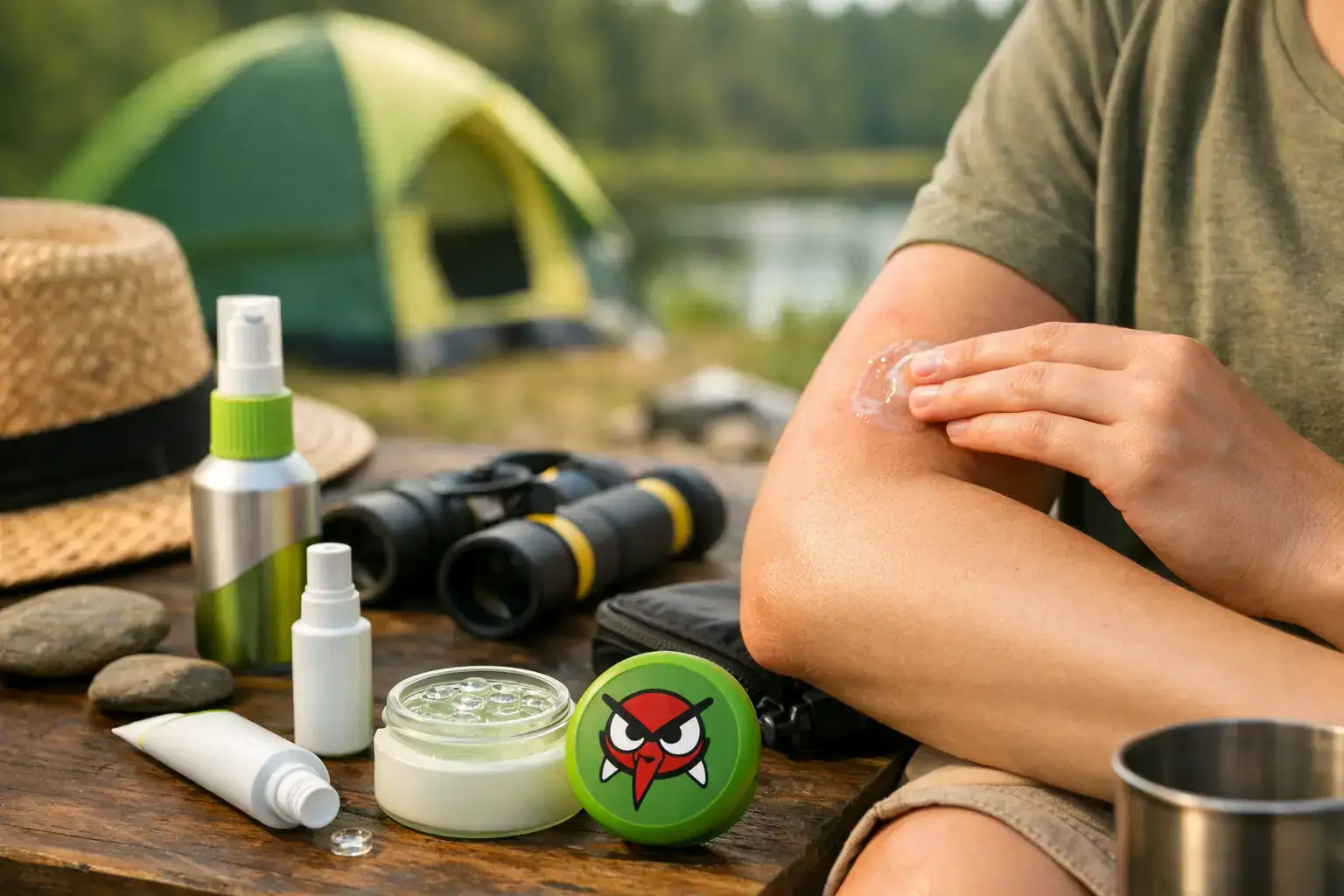
Bug Bite Relief for Camping That Actually Helps
Nothing tests your camping mood faster than finally settling in by the fire, then realizing your ankle, wrist, and neck have become the evening buffet. Good bug bite relief for camping is not just a nice extra – it is the difference between enjoying the woods and spending the night trying not to scratch through your sleeping bag.
The good news is that relief does not have to be complicated. If you camp with kids, hike deep into buggy areas, or just seem to attract every mosquito in a three-mile radius, a few smart choices can make bites far less disruptive. The goal is simple: calm the itch quickly, avoid making irritated skin worse, and keep your camp kit easy to carry.
Why camping bites feel worse than backyard bites
A bug bite at home is annoying. A bug bite at a campsite can feel relentless. Part of that is timing. Bites tend to hit when you are sweaty, dusty, and trying to relax, which makes itching feel more intense. Add heat, humidity, sunscreen, smoke, and limited access to a sink or shower, and irritated skin has more reasons to stay irritated.
There is also the scratch factor. When you are outdoors all day, dirt and friction from socks, waistbands, and backpack straps can keep rubbing the same spot. That turns a minor bite into a bigger distraction. For families, it gets even trickier because kids often scratch first and ask questions later.
That is why the best camping relief is not only about what works on skin. It is also about what is practical to use at a picnic table, on a trail, or in the dark with a headlamp on.
What bug bite relief for camping should actually do
When people pack for bugs, they usually think about prevention first. That makes sense, but relief matters too. Even with good prep, bites happen. A useful bite relief option should calm itching fast, feel easy to apply, and travel well without leaking all over the glove box or backpack pocket.
Texture matters more than people think. Thin liquids can be messy at camp. Products in bulky bottles take up space. Strong medicinal smells can put some people off, especially in a tent. A compact stick or balm-style option is often easier because it goes where you go, applies directly to the spot, and keeps hands cleaner.
Simple ingredients can also be a plus for outdoor families who prefer a more natural approach. That does not mean every natural product is automatically better for every person. Skin is personal. But many campers want something straightforward, gentle-feeling, and easy to understand.
What to pack in a bug bite kit
Your bite kit does not need to look like a field hospital. It just needs to cover the basics. Start with your preferred itch-relief product, then think about what makes that product work better in real camp conditions.
Clean skin helps, so a little fresh water or a gentle wipe can be useful before applying anything to the bite. If swelling is part of the problem, a cool compress can help when available, though that is obviously easier at a cabin than on a backcountry trail. For families, keeping nails short and having bandages on hand can help prevent scratch damage, especially overnight.
If you are building a small camping pouch, keep it focused. Relief product, a couple of wipes, a few bandages, and any doctor-recommended allergy medication your household already uses can cover a lot of situations. The best kit is the one you will actually bring.
How to get relief fast when you are already itchy
The first move is simple: do not keep scratching while you decide what to do. Scratching can make a bite feel better for about five seconds and worse for the next five hours. If the area is dirty or sweaty, clean it gently if you can. Then apply your relief product as soon as possible.
For many campers, the sweet spot is a topical product that can be dabbed or swiped directly onto the bite without a mess. That kind of quick application matters when you are in motion, managing kids, or trying to get dinner started before sunset. If a product is annoying to use, people tend to skip it and just scratch instead.
After application, give it a little time and try to keep clothing from rubbing the area. Loose sleeves, adjusted socks, or simply avoiding extra friction can help more than expected. If you are settling in for the night, treating bites before bed is one of the smartest things you can do. Nighttime itching has a way of feeling louder in a tent.
Natural bug bite relief for camping
Camping and natural products tend to go hand in hand because people want simple solutions that fit the outdoor lifestyle. Natural bug bite relief for camping can be especially appealing when it comes in a portable format and uses familiar ingredients.
A blend with ingredients like wintergreen, lemongrass, baking soda, beeswax, and coconut oil can feel approachable and practical. Each ingredient brings something useful to the experience, whether that is a soothing feel, skin-friendly texture, or easy application. The real benefit for most campers is not ingredient theory. It is that a simple formula can be pleasant to use and easy to toss in a pocket, tote, or tackle box.
That said, natural is not a magic word. If you have very sensitive skin, allergies to specific ingredients, or a history of stronger bite reactions, it is worth being selective. The best product is the one your skin tolerates well and that you will actually keep on hand.
When itch relief is enough – and when it is not
Most camping bites are just irritating. They itch, they swell a little, and they fade with time. In those cases, topical relief and less scratching are usually the main job. But there are moments when a bite needs more attention.
If you notice rapidly increasing swelling, trouble breathing, hives beyond the bite area, or signs of infection like spreading redness, warmth, pus, or fever, that goes beyond normal camping annoyance. The same is true for stings or bites that trigger a known allergic reaction. Relief products have their place, but they are not a substitute for medical care when symptoms point to something more serious.
For everyday bites, though, the biggest risk is often letting a small problem turn into a miserable one through repeated scratching. Fast relief is not just about comfort. It helps stop that cycle early.
Choosing the best bug bite relief for camping families
If you camp with other people, convenience becomes even more important. Parents usually want something easy enough to use one-handed while holding a flashlight, a juice box, or a child who is deeply offended by mosquitoes. Adults camping with friends want something they can pass around without dealing with drips, spills, or complicated instructions.
That is where portability wins. A compact relief stick or balm can live in the daypack, first aid box, beach tote, or center console instead of being forgotten in the bathroom at home. A product that smells pleasant and applies cleanly also tends to get used more often, which is half the battle.
Just Bite Me fits naturally into that kind of kit because it is simple, portable, and designed around one clear promise: stop the itch so outdoor fun can keep going.
A few smart habits that make relief work better
Even the best product does more when it is paired with good habits. Apply relief early instead of waiting until a bite gets angry. Keep the bite clean when possible. Reapply according to the product directions if needed, especially after sweating or wiping the area.
It also helps to think ahead. Keep one relief option in your camping bin, one in the car, and one in the bag you actually carry outdoors. Bug bites are easy to ignore when packing, right up until they are all anyone can think about.
Camping is supposed to leave you with smoky clothes, tired legs, and good stories – not a weekend ruined by itching. Pack for relief the same way you pack for sun, rain, and blisters, and you give yourself a much better shot at enjoying every minute outside.