Bug Report: Toronto, Ontario – 2026-03-18
This Forecast is Out of Date. Please visit https://justbiteme.com/regional-bug-bite-forecast for an updated forecast

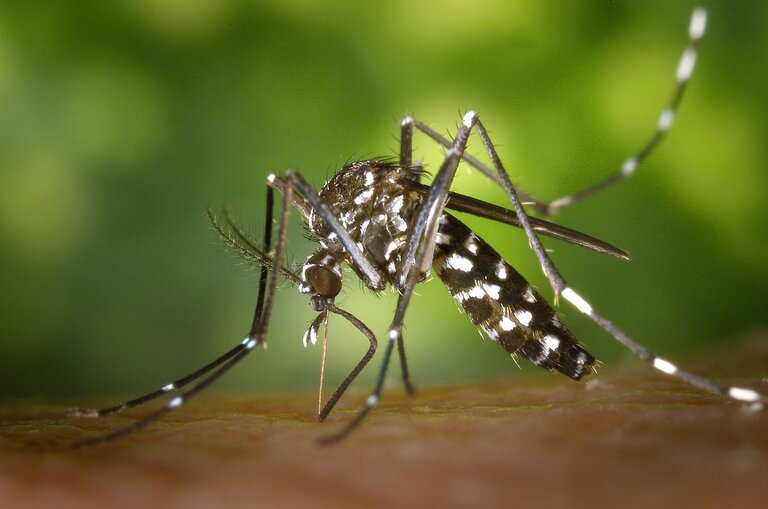
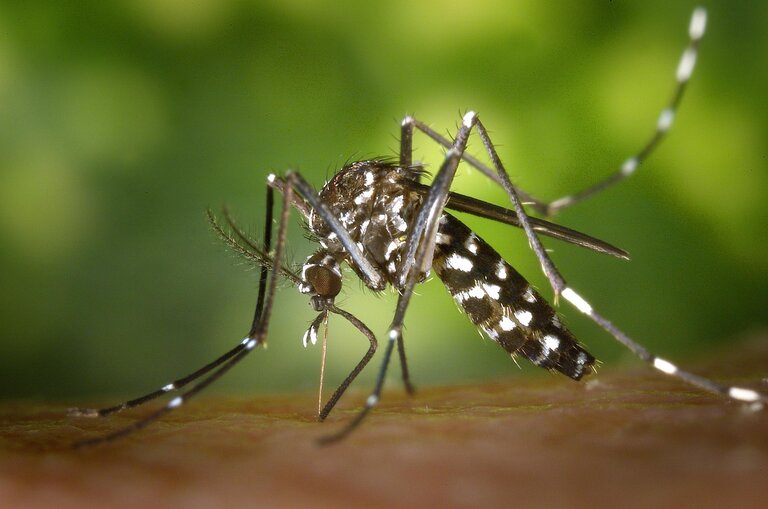
Image: Pixabay
Your Weekly Pest Control Toronto Ontario Update: Cloudy Skies and Chilly -1.22°C (30°F) Weather
Welcome back, Toronto homeowners! As we navigate the week of March 18th, marked by cloudy skies, a chilly -1.22°C (30°F), and 85% humidity, outdoor pest activity remains predictably minimal. This week’s bug risk level is officially Low, meaning most common outdoor pests are still in their overwintering stages. For effective pest control Toronto Ontario, this cold snap reminds us that while you might not see many critters scampering through High Park, they are definitely seeking refuge indoors. In our humid continental climate, these cold periods are prime time for pests like rodents and cluster flies to snuggle deep within your walls and attics, away from the elements.
This Week’s Weather and What It Means for Bugs
This week’s measured conditions in Toronto, including a sub-freezing temperature of -1.22°C (30°F) and high humidity at 85%, significantly influence pest behavior and survival. At -1.22°C, most ectothermic pests, such as insects, enter a state of dormancy or diapause, or actively seek sheltered overwintering sites within heated structures or protected microclimates. This effectively halts their outdoor life cycle progression and metabolic activity. The high 85% humidity, while important, has a more nuanced impact at this freezing temperature, primarily by preventing desiccation for cold-hardy overwintering forms or contributing to indoor dampness rather than supporting active outdoor pest populations with readily available free water.
For specific Toronto pests, these conditions drive distinct biological responses. Cluster flies (Pollenia rudis), common overwintering pests, will remain in a state of torpor or diapause within wall voids and attics, exhibiting minimal activity due to the -1.22°C outdoor temperature. According to entomological research from the University of Guelph, sustained sub-freezing temperatures are critical for keeping these overwintering adult flies inactive until spring. Concurrently, house mice (Mus musculus) are profoundly affected; the -1.22°C temperature makes outdoor foraging and survival exceedingly difficult, forcing them to seek warmth, food, and shelter strictly indoors. Studies published by the Ontario Ministry of Agriculture, Food and Rural Affairs (OMAFRA) indicate that prolonged periods below freezing are a primary catalyst for increased commensal rodent activity within human dwellings.
Another significant pest influenced by these conditions, albeit indirectly, is the German cockroach (Blattella germanica). While exclusively indoor pests in Toronto, the -1.22°C outdoor temperature ensures they remain confined to heated environments, unable to survive outside. Furthermore, the elevated outdoor humidity of 85% can indirectly contribute to ideal indoor conditions for these pests. Research from Cornell University’s Department of Entomology highlights that German cockroach populations thrive in environments with relative humidity consistently above 60%. Thus, high outdoor humidity, especially during cold periods, can lead to increased condensation and dampness in poorly ventilated indoor areas, creating conducive microclimates for cockroach proliferation within homes and businesses.
What to Do This Week in Toronto
This week, as Toronto experiences chilly -1.22°C temperatures and high 85% humidity, your primary focus should be on exclusion and moisture control to prevent unwanted guests. First, take a walk around your home’s exterior and interior, specifically targeting older window frames, door sweeps, and utility line entry points – common vulnerabilities in Toronto’s varied architecture, from Victorian semis to modern condos. Seal any visible cracks or gaps with weatherstripping or caulk. Why? Pests like mice, rats, and overwintering insects such as cluster flies and boxelder bugs are actively seeking warmth and shelter from the cold, and even the smallest opening is an invitation to come indoors. Secondly, pay close attention to indoor humidity. Despite the cold, high outdoor humidity can exacerbate indoor moisture issues, creating damp conditions that attract silverfish, certain cockroaches, and even ants. Use dehumidifiers in basements, ensure proper ventilation in bathrooms and kitchens, and promptly fix any leaky pipes or drips.
While the overall bug risk is low this week, proactive steps now can save you headaches later. Thirdly, dedicate some time to decluttering storage areas like attics, basements, and garages. These spaces are often overlooked but provide ideal hiding spots for dormant pests and rodents seeking refuge from the freezing temperatures. Reducing clutter eliminates these cozy havens, making your home less appealing for them to settle in for the winter’s end. By taking these simple yet effective preventative measures, you’re not just reacting to problems; you’re building a resilient barrier against future infestations. For comprehensive strategies and expert assistance with pest control Toronto Ontario, remember that prevention is always the best defense.
Frequently Asked Questions about Pest Activity in Toronto
What are common pests Toronto residents might encounter in mid-March?
In mid-March, Toronto typically sees rodents like mice and rats seeking warmth indoors, especially after colder snaps. Cockroaches and bed bugs remain year-round concerns, potentially active if introduced. Ants may start to emerge inside homes as temperatures fluctuate, seeking food and moisture.
When should Toronto residents consider professional pest control services?
Toronto residents should consider professional pest control services at the first sign of persistent infestation, such as droppings, gnaw marks, or frequent sightings. Early intervention is crucial to prevent problems from escalating. For comprehensive solutions, contacting a local expert in **pest control Toronto Ontario** ensures effective and lasting eradication.
Are there specific pest concerns for older homes in Toronto neighborhoods like The Annex?
Older homes in neighborhoods like The Annex often present unique pest challenges due to their construction. Common issues include mice and rats finding entry through cracks, carpenter ants in damp wood, and persistent bed bug problems from previous tenants or travel. Regular inspections are highly recommended.
How do Toronto’s fluctuating March temperatures affect local pest activity?
Toronto’s fluctuating March temperatures significantly influence pest behavior. Warmer days can encourage pests like ants and spiders to become more active, potentially seeking entry indoors. Conversely, cold snaps might drive rodents further into homes for shelter, making them more noticeable. This unpredictability requires vigilance.
What preventative measures can Toronto homeowners take in early spring?
Toronto homeowners can take several early spring preventative measures. Seal cracks and gaps in foundations and around utility lines to block entry points. Ensure proper drainage to reduce moisture, and store food in airtight containers. Regularly inspect basements and attics for early signs of pest activity.
Protect Your Home in Toronto, Ontario
Don’t let local bug activity catch you off guard. Visit our local store to get expert advice and the right supplies for your specific location.