Bug Report: Huntsville, Ontario – 2026-03-18
This Forecast is Out of Date. Please visit https://justbiteme.com/regional-bug-bite-forecast for an updated forecast

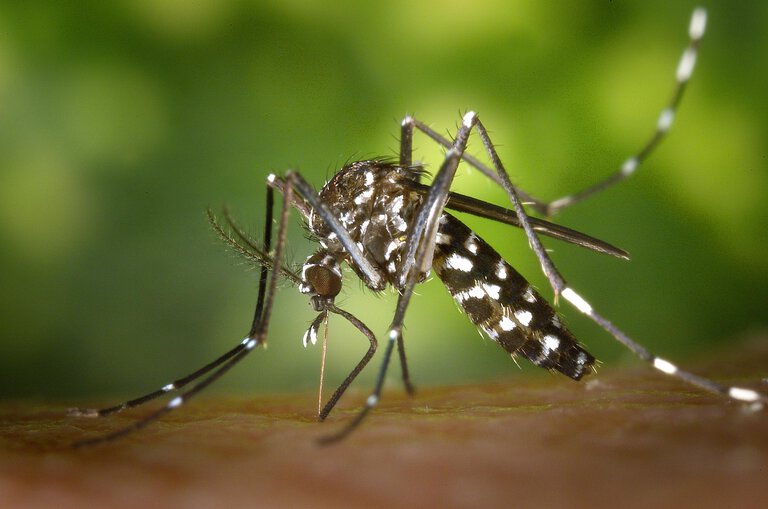
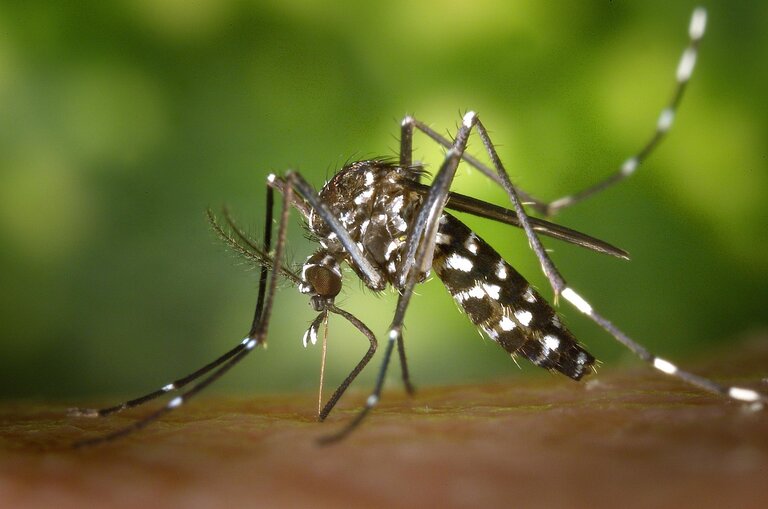
Image: Pixabay
Pest Control Huntsville Ontario: What to Expect This Cloudy 2.08°C Week
Welcome back, Huntsville homeowners! This week, as we observe cloudy skies and temperatures hovering around 2.08°C (36°F) with 77% humidity, I’m pleased to report that the overall bug risk level remains Low for your general pest control Huntsville Ontario concerns. This means while outdoor pests aren’t completely dormant, their activity is significantly reduced, offering a welcome reprieve for most households. Just as many of us are enjoying the quiet beauty along the Muskoka River or anticipating spring activities around downtown Huntsville, some pests are still hunkered down indoors, but their numbers are low. A ‘Low risk’ level means you’re unlikely to encounter major infestations or sudden surges in pest activity.
While you might spot the occasional overwintering spider or a brave mouse seeking warmth, extensive outdoor activity from insects and other outdoor pests is minimal. Our region, typical of Ontario’s humid continental climate, experiences these distinct seasonal shifts, and understanding them is key to effective year-round pest control. This low activity period provides a valuable window for inspection and sealing without the immediate pressure of an active invasion, allowing you to prepare your home for the busier seasons ahead.
This Week’s Weather and What It Means for Bugs
This week’s measured temperature of 2.08°C (36°F) in Huntsville, Ontario, places many local insect populations in a state of significantly reduced activity or suspended animation. For most cold-blooded arthropods, metabolic processes slow dramatically as ambient temperatures approach freezing, effectively pausing development, foraging, and reproduction. According to entomological studies from the University of Guelph, temperatures just above the freezing point are typically below the developmental threshold for the majority of pest insect species common to the region, preventing any significant life cycle progression. Coupled with a relatively high humidity of 77%, these conditions are favorable for preventing desiccation in overwintering forms, allowing them to conserve energy in sheltered microclimates rather than actively seek moisture.
Specifically, the persistent 2.08°C (36°F) weather has a nuanced effect on local pests. For instance, the blacklegged tick (Ixodes scapularis), a vector for Lyme disease, can remain active and questing even at temperatures just above freezing. Research published by the Ontario Ministry of Health indicates that tick activity can commence any time the ground is not frozen and temperatures exceed 0°C, meaning the current 2.08°C (36°F) presents a continued, albeit low, risk of encountering these parasites. The 77% humidity further supports their survival in leaf litter and other ground-level habitats by maintaining a moist environment. In contrast, common overwintering household invaders such as Western Conifer Seed Bugs (Leptoglossus occidentalis) and Cluster Flies (Pollenia rudis) will remain largely dormant within the walls and attics of structures at this temperature. While they might occasionally stir if internal building temperatures fluctuate, the external 2.08°C (36°F) is too cold for them to venture outdoors for foraging or reproduction, effectively keeping them in their overwintering aggregations, as documented by research from the University of Toronto’s Department of Ecology and Evolutionary Biology.
Furthermore, mosquito species like those in the Culex pipiens complex, which overwinter as adult females in sheltered locations, are entirely inactive at 2.08°C (36°F). According to studies from McGill University’s Department of Natural Resource Sciences, temperatures below approximately 10°C (50°F) halt mosquito metabolism and prevent any flight or feeding activity. The current conditions mean no mosquito development or biting activity is occurring outdoors. While the 77% humidity is generally favorable for insect survival by mitigating desiccation, its impact on active mosquito populations is negligible given the low ambient temperature. Overall, this week’s weather effectively keeps the vast majority of Huntsville’s insect pests in a state of dormancy or very limited activity, with the exception of certain cold-tolerant species like ticks, reminding us that pest management considerations can extend beyond the warmest months.
What to Do This Week in Huntsville
With temperatures hovering just above freezing at 2.08°C (36°F) and high humidity this week, it’s a crucial time for preventative action, even with a low bug risk. Pests are still looking for warmth and shelter indoors. First, take a walk around your home’s exterior and seal any small cracks or gaps you find, especially around utility lines, window frames, and the foundation. This matters because rodents and overwintering insects like cluster flies and boxelder bugs are actively seeking easy entry points to escape the lingering chill. Addressing these now, before spring fully arrives, can prevent a much larger headache later.
Secondly, manage interior moisture levels, particularly in basements and crawl spaces. The 77% humidity combined with potential snowmelt can create damp conditions, attracting moisture-loving pests such as silverfish, centipedes, and even carpenter ants to softened wood. Ensure good ventilation and check for any minor leaks. For homes typical of our beautiful Huntsville, Ontario, consider inspecting your roofline, soffits, and foundation for any compromised areas, particularly if your property backs onto wooded land. These areas are prime entry points for squirrels and mice, especially with freeze-thaw cycles potentially creating new vulnerabilities. Taking these proactive steps is key to effective pest control Huntsville Ontario, ensuring your home remains secure and comfortable as we transition into spring.
Frequently Asked Questions about Pest Activity in Huntsville
What pest activity should I expect in Huntsville, Ontario, during mid-March 2026?
For mid-March 2026 in Huntsville, pest activity remains relatively low due to lingering cold temperatures. While some overwintering pests like mice or cluster flies might seek warmth indoors, significant insect emergence is still weeks away. Focus on sealing entry points as the ground begins to thaw.
Are there any common year-round pests that Huntsville residents should be aware of?
Yes, even with low seasonal risk, year-round pests in Huntsville frequently include rodents like mice and squirrels, which often seek shelter indoors. Overwintering insects such as ladybugs or boxelder bugs can also be present. Wildlife encounters are common, so securing garbage and food sources is always important.
How does pest activity near Fairy Lake in Huntsville differ from other areas?
Properties near Fairy Lake in Huntsville may experience slightly earlier or more pronounced issues with moisture-loving pests as the ice melts. Expect occasional sightings of rodents, and soon, certain insects drawn to water. Proximity to natural areas means increased potential for wildlife interactions, requiring diligence.
What should I do if I discover pests in my Huntsville home during this low-risk period?
Even during a low-risk period, discovering pests warrants attention. Start by identifying the pest and checking for entry points. For persistent or recurring issues, contacting a local professional is wise. Effective pest control Huntsville Ontario services can provide targeted solutions and preventative advice, ensuring your home remains secure.
What early spring prevention tips are effective for Huntsville homes?
In early spring, focus on sealing cracks in foundations, around windows, and utility lines to prevent pest entry as the ground thaws. Clear debris and leaf litter from around your home, as these provide harborage for pests. Ensure downspouts direct water away from the foundation to reduce moisture attraction.
Protect Your Home in Huntsville, Ontario
Don’t let local bug activity catch you off guard. Visit our local store to get expert advice and the right supplies for your specific location.