Bug Report: Hornepayne, Ontario – 2026-03-18
This Forecast is Out of Date. Please visit https://justbiteme.com/regional-bug-bite-forecast for an updated forecast

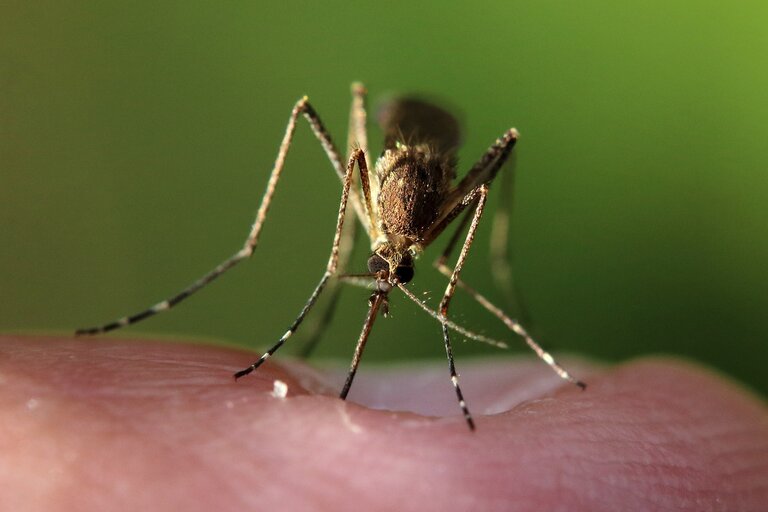
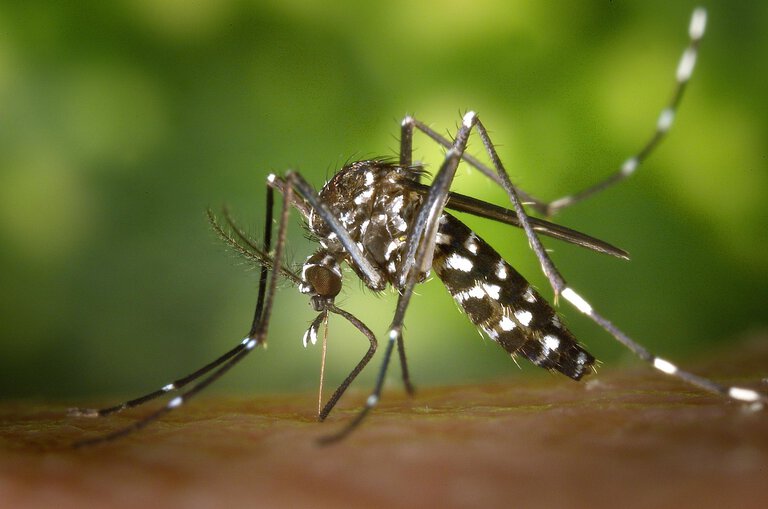
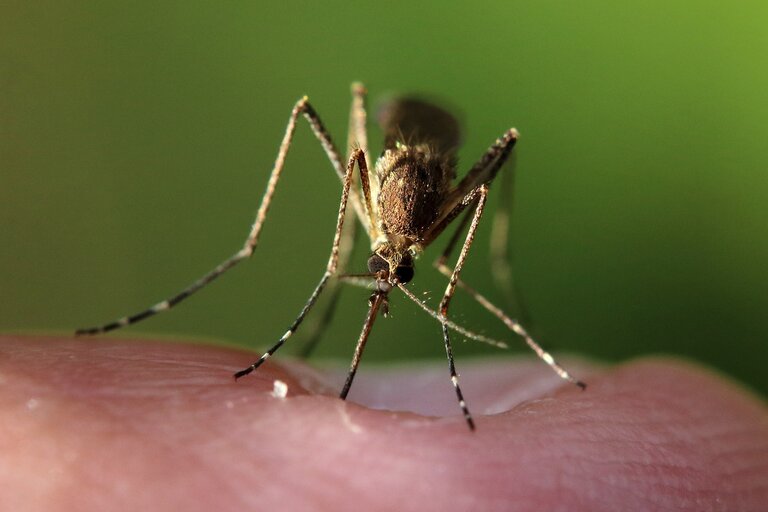
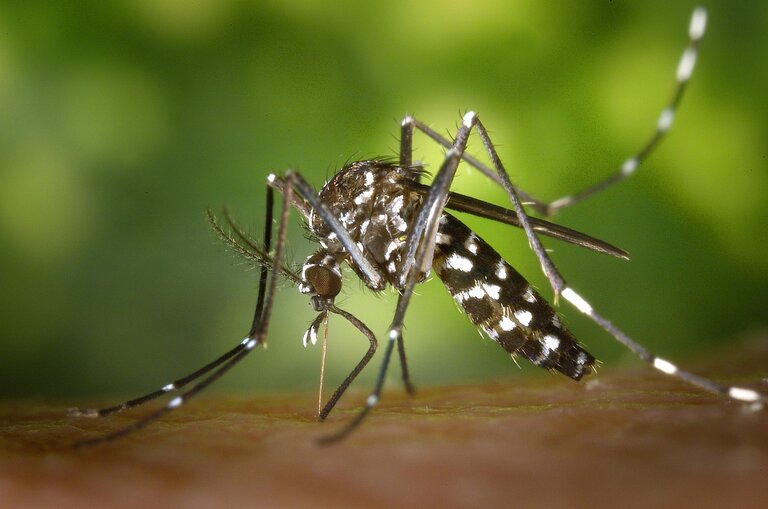
Image: Pixabay
Your Weekly Pest Control Hornepayne Ontario Update: Staying Safe Amidst Mid-March Snow
Welcome back, Hornepayne homeowners! As your local expert with 15 years tackling unique Ontario pest challenges, I’m here to provide your essential pest control Hornepayne Ontario insights for the week of March 18, 2026. With temperatures hovering around -1.69°C (29°F), persistent snow, and high humidity at 81%, our classic Northern Ontario winter conditions continue to keep most outdoor pests at bay. Whether you’re commuting past the CN Rail yard or enjoying the quiet around the Hornepayne Public School, rest assured that the frosty grip on our region significantly impacts insect activity.
This week, we’re assessing the bug risk level as LOW for Hornepayne properties. For you, this primarily means that active infestations from common outdoor pests like ants, spiders, or mosquitoes are virtually non-existent. Our long, cold winters, characteristic of this humid continental climate, naturally reduce pest populations and drive most surviving insects into deep dormancy or sheltered overwintering sites within structures. While indoor pests like rodents or overwintering boxelder bugs might still seek warmth, the overall outdoor threat is minimal.
This Week’s Weather and What It Means for Bugs
This week’s conditions in Hornepayne, featuring a brisk -1.69°C (29°F) and significant snow cover with 81% humidity, dramatically influence local pest biology by pushing most insect activity into a state of dormancy or refuge-seeking. At temperatures consistently below 0°C, the vast majority of ectothermic insects cannot maintain active metabolism, forcing them into a state of overwintering diapause or quiescence. According to entomological studies from the University of Guelph, sustained temperatures below freezing, such as the -1.69°C observed, are critical thresholds where insect physiological processes, including feeding, reproduction, and movement, effectively cease. The accompanying snow cover, while initially presenting a barrier, can paradoxically provide a layer of insulation, helping some ground-dwelling or subnivean pests survive the colder air temperatures by maintaining more stable microclimates beneath the snowpack.
For nuisance pests like Cluster Flies (Pollenia rudis) and Boxelder Bugs (Boisea trivittata), these frigid outdoor conditions mean they are firmly entrenched in their overwintering sites, often within the sheltered walls and attics of our homes. The -1.69°C temperature makes outdoor survival improbable for active adults, compelling any stragglers to seek warmth and protection indoors. Research conducted by the University of Manitoba highlights that overwintering aggregations of these species are directly triggered by declining ambient temperatures below 10°C, with conditions like 29°F (-1.69°C) ensuring they remain in a state of suspended animation, conserving energy until spring. The 81% humidity, coupled with snow, reinforces their decision to stay put, as the external environment offers little opportunity for foraging or movement, and high humidity does not offer an advantage to outdoor activity at these temperatures.
Meanwhile, the life cycles of nuisance biters such as Mosquitoes (e.g., Culex pipiens or Anopheles earlei) are completely halted by the current cold. At -1.69°C, adult mosquitoes are in diapause, typically overwintering in protected locations like culverts, basements, or hollow logs, while many species survive as cold-hardy eggs. Studies from the Ontario Ministry of Natural Resources and Forestry indicate that while extreme cold can increase mortality for overwintering adults and eggs, the presence of insulating snow cover, facilitated by the 81% humidity, can paradoxically improve survival rates by buffering against drastic temperature fluctuations and desiccation. The moisture from the snow and high humidity ensures that overwintering eggs, often laid in floodplains or containers, do not dry out, maintaining their viability for hatching once temperatures consistently rise above freezing in the spring, well beyond the measured -1.69°C.
What to Do This Week in Hornepayne
Well folks, another snowy week in Hornepayne! With temperatures hovering around -1.69°C (29°F) and the snow falling, our local critters are definitely looking for a warm place to hunker down. Even with a ‘Low’ bug risk, this is prime time for rodents and overwintering insects to try and find their way into your cozy home. First off, take some time this week to give your home’s exterior a good once-over. Look for any cracks or gaps around utility lines, pipes, and your foundation. Sealing even the smallest openings with caulk or steel wool can make a huge difference, as these are easy entry points for mice and various insects seeking refuge from the biting cold. Secondly, be mindful of snow accumulation directly against your foundation. While it might seem harmless, a thick blanket of snow can provide insulation for pests like voles and mice, allowing them to burrow unseen right up to your home’s exterior and potentially find a way in. Shovel snow a few feet away from your foundation to keep these frosty opportunists at bay and prevent moisture issues later on.
Here in Hornepayne, where many of us rely on wood stoves for that extra warmth, it’s also crucial to inspect your firewood pile. If you’re storing wood close to the house, give it a quick check for any signs of activity – pests like carpenter ants or rodents love to shelter in woodpiles and can easily make the jump to your home. Make sure your wood is stacked neatly and preferably a good distance from your home’s foundation. For those of us in older homes or cabins, pay special attention to areas around chimneys and wood stove pipes where openings might have developed over time, as these are common entry points in our unique environment. Taking these proactive steps now is vital for preventing bigger headaches down the road. If you find yourself needing a bit of expert advice or dealing with a persistent problem, remember that effective pest control Hornepayne Ontario services are here to help keep your home pest-free and comfortable through the winter.
Frequently Asked Questions about Pest Activity in Hornepayne
What common pests might Hornepayne residents encounter in early spring (March)?
In March, Hornepayne residents might notice overwintering pests like cluster flies or ladybugs becoming active indoors as temperatures rise. Rodents, such as mice, may still seek indoor warmth and food sources before foraging outside. Carpenter ants could also begin to emerge if conditions are right, signalling potential structural issues.
Are properties near Hornepayne’s natural areas more prone to specific pests?
Yes, properties bordering Hornepayne’s surrounding forests or near the Nagagami River can experience increased activity from rodents, squirrels, and even early emerging carpenter ants seeking shelter or food. Mosquitos and black flies will become an issue later in the spring, so preparation is key for these locations.
What preventative steps can Hornepayne homeowners take against pests this time of year?
Hornepayne homeowners should seal cracks and gaps in foundations and around utility entry points to deter rodents and insects. Ensure proper attic ventilation to prevent moisture issues that attract pests. Clearing snow away from foundations can also reveal potential entry points before the ground fully thaws.
When should I consider professional pest control services in Hornepayne?
You should consider professional pest control Hornepayne Ontario if you notice persistent rodent droppings, extensive insect trails, or signs of structural damage from pests like carpenter ants. Early intervention prevents infestations from escalating. For any unusual or severe pest activity, consulting experts ensures effective and safe eradication.
Are mice a common problem for Hornepayne homes in early spring?
Mice can remain a common nuisance in Hornepayne during early spring. As outdoor food sources are still scarce, they often stay indoors, seeking shelter and sustenance. Sealing entry points and maintaining a clean environment are crucial. If you suspect an ongoing infestation, professional help is recommended.
Protect Your Home in Hornepayne, Ontario
Don’t let local bug activity catch you off guard. Visit our local store to get expert advice and the right supplies for your specific location.