Bug Report: Clinton, Ontario – 2026-03-18
This Forecast is Out of Date. Please visit https://justbiteme.com/regional-bug-bite-forecast for an updated forecast

Image: Pixabay
Weekly Pest Control Clinton Ontario Update: Chilly & Cloudy Conditions for March 18, 2026
As we settle into mid-March here in Clinton, the week of March 18, 2026, greets us with persistent cloudy skies and a brisk -0.76°C (31°F) temperature, accompanied by 90% humidity. For homeowners considering effective pest control Clinton Ontario strategies, these current conditions mean we’re experiencing a “Low” bug risk level. This low risk is typical for our humid continental climate during this transitional period, meaning outdoor pest activity is minimal as most insects and rodents are either dormant or seeking shelter from the lingering cold. Whether you’re bundling up for a walk along Main Street or getting ready for the maple syrup season in nearby areas, understanding this low-risk period is key for proactive home protection.
This Week’s Weather and What It Means for Bugs
This week’s conditions in Clinton, Ontario, with temperatures dipping to -0.76°C (31°F) and a high humidity of 90% under cloudy skies, create a challenging environment for most insect activity. At -0.76°C, insect metabolism is severely curtailed, pushing most species into dormancy or leading to mortality for exposed individuals. According to research from Purdue University, most temperate zone insects enter a state of diapause or quiescence when temperatures consistently fall below 0°C, effectively halting feeding, reproduction, and active movement. The high 90% humidity, while typically beneficial for some insects by preventing desiccation, becomes less significant for outdoor active pests at this freezing temperature, primarily influencing overwintering survival in sheltered microclimates.
For common overwintering pests such as the Brown Marmorated Stink Bug (Halyomorpha halys) and Boxelder Bugs (Boisea trivittata), the -0.76°C temperature means they remain deep in diapause, typically tucked away within wall voids, attics, or under leaf litter. Research from Virginia Tech indicates that adult Brown Marmorated Stink Bugs enter a cold-hardy state and seek sheltered locations when temperatures drop below freezing, making active foraging or indoor emergence highly unlikely unless interior temperatures are significantly warmer. Similarly, Boxelder Bugs will remain dormant at -0.76°C, often clustered in aggregations to conserve heat, as documented by the University of Nebraska-Lincoln, only becoming active again when consistent ambient temperatures rise well above freezing. The 90% humidity can contribute to the survival of these overwintering pests by reducing water loss in their sheltered environments, helping them persist through the cold.
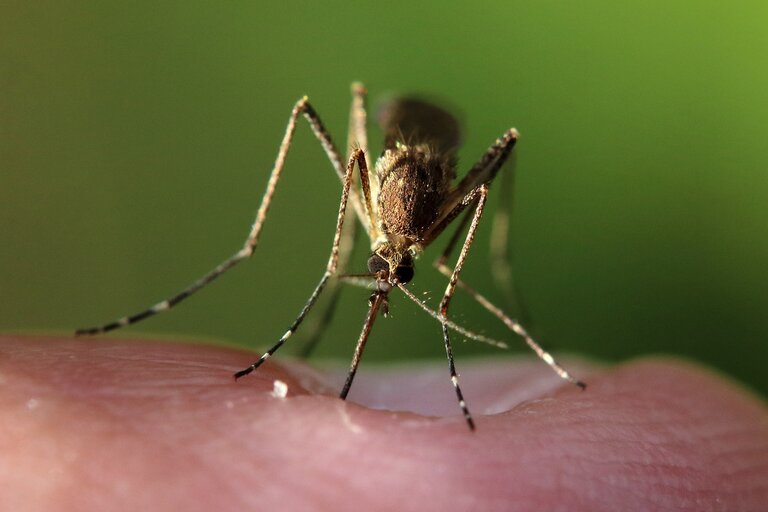
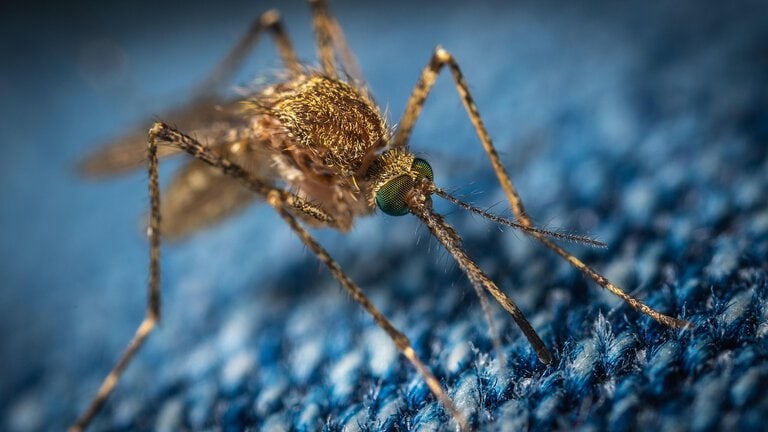
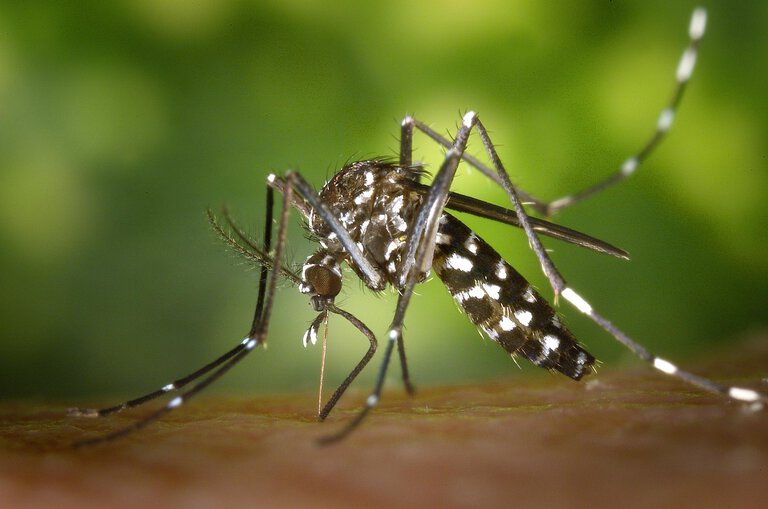
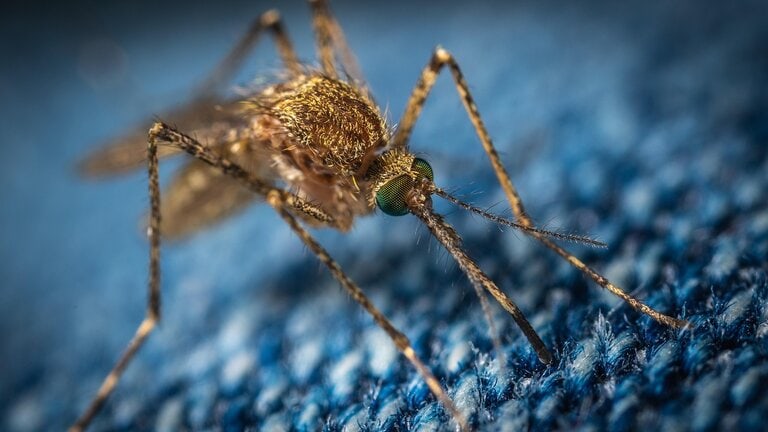
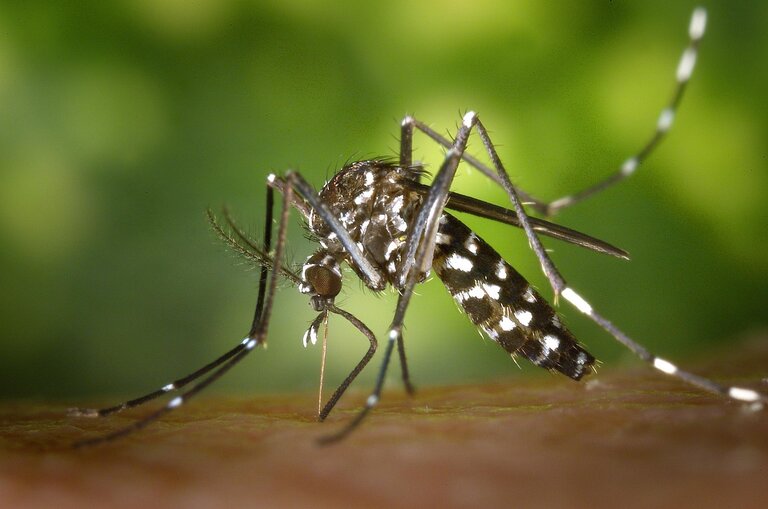
Even mosquitoes like the Northern House Mosquito (Culex pipiens) are profoundly affected. At -0.76°C, adult Culex pipiens will be in diapause, seeking shelter in protected environments such as basements, culverts, or hollow trees, completely inactive. Studies from the University of California, Davis, highlight that active blood-feeding and reproduction for this species require temperatures consistently above 10-15°C, rendering -0.76°C inhibitory to all active life stages. Larval development in any standing water would be completely halted, with most water bodies likely frozen or near-frozen. The 90% humidity outdoors further emphasizes their need for sheltered, often humid, overwintering sites, as direct exposure would pose a significant desiccation risk even in dormancy, though freezing is the primary threat.
What to Do This Week in Clinton
Even with the low bug risk and chilly -0.76°C (31°F) weather we’re experiencing this week in Clinton, it’s the perfect time to get ahead on pest prevention. First, take a walk around your home’s interior, especially focusing on windows, doors, and utility entry points. With that 90% humidity outside and temperatures just above freezing, pests like mice, spiders, and even cluster flies are actively seeking warm, dry shelter. Seal any small gaps or drafts you find; this is particularly important for many of our charming older Clinton homes which can develop tiny openings over time. By eliminating these easy entry points now, you’re denying them a cozy spot to overwinter. Secondly, be vigilant about any indoor moisture. High humidity outside can translate to condensation inside, especially in basements or bathrooms. Promptly fix any leaky faucets or pipes, and consider running a dehumidifier in damp areas. Eliminating standing water and excessive moisture removes a major draw for pests such as silverfish and centipedes, which thrive in damp conditions.
Next, despite the current cold, take a moment to ensure your exterior gutters and downspouts are clear. While it’s not raining buckets, the 90% humidity means any melting snow or frost can accumulate, and clogged gutters will direct water straight to your foundation. This creates moisture problems that attract pests as soon as temperatures rise, so proper water drainage is key even now. Finally, as you walk around the outside, do a quick visual inspection of your foundation for any new or existing cracks. Freeze-thaw cycles can worsen these vulnerabilities, and while pests aren’t as active now, sealing these up in the spring will be crucial for keeping out everything from ants to rodents. For comprehensive protection and expert advice on these matters, remember that proactive pest control Clinton Ontario services can help identify and address these potential vulnerabilities, ensuring your home stays pest-free year-round.
Frequently Asked Questions about Pest Activity in Clinton
What are the most common pests Clinton residents should watch for in mid-March?
In mid-March, Clinton residents might notice overwintering pests such as cluster flies, boxelder bugs, and lady beetles emerging indoors due to warming temperatures. The overall bug risk remains low this week. However, if these pests become a nuisance, contacting reliable pest control Clinton Ontario experts can help address the issue effectively. Proactive sealing can also prevent entry.
Are homes near the rural edges of Clinton, like along Orchard Lane, more susceptible to specific pests?
Yes, homes on the rural edges of Clinton, such as near Orchard Lane, often experience higher activity from field mice, voles, and spiders seeking shelter. Proximity to agricultural fields and natural habitats increases their likelihood of entry. Sealing gaps in foundations and around utility lines is crucial for preventing these pests from entering your home.
Given the date of March 18th, 2026, what pest activity is expected in Clinton?
As of March 18th, 2026, Clinton is in early spring. While major outdoor pest activity like mosquitoes or ants is minimal, overwintering pests inside homes may start to stir. Expect low activity overall, with a slight chance of seeing occasional cluster flies or lady beetles indoors. Outdoor pest populations are still largely dormant.
What preventative measures can Clinton homeowners take against pests this time of year?
Clinton homeowners can focus on sealing entry points like cracks around windows, doors, and foundations to prevent overwintering pests from re-entering or emerging. Ensure screens are intact and attic vents are properly screened. Maintaining a tidy yard by removing leaf litter and debris also reduces potential outdoor harborage sites for pests before spring fully arrives.
Protect Your Home in Clinton, Ontario
Don’t let local bug activity catch you off guard. Visit our local store to get expert advice and the right supplies for your specific location.