Bug Report: Kapuskasing, Ontario – 2026-03-17
This Forecast is Out of Date. Please visit https://justbiteme.com/regional-bug-bite-forecast for an updated forecast

Image: Pixabay
Your Weekly Pest Control Kapuskasing Ontario Update: Cloudy & Damp at 2.69°C
Welcome back, Kapuskasing homeowners! As we navigate another week, let’s dive into what the current weather means for effective pest control Kapuskasing Ontario strategies. This week, March 17th, 2026, finds us under cloudy skies with 100% humidity and a cool 2.69°C (37°F) — conditions that still keep most outdoor pests largely at bay. As many of you are still enjoying the last vestiges of winter activities or perhaps thinking about those first walks along the Kapuskasing River trails, it’s important to remember that even dormant pests can be a concern. The melting snow, while a welcome sign of spring for us, can create damp conditions in vulnerable areas around your home, such as foundations near the river’s edge or shaded spots in your yard. For this week, our overall bug risk level remains Low. This means that while major infestations are unlikely to be emerging en masse, it’s an opportune time for proactive inspection and minor preventative measures rather than dealing with active pest problems. Keep an eye out for any signs of overwintering pests that might have found refuge indoors during the colder months, especially with the high humidity potentially stirring them. This consistent cold and dampness is typical for our Northern Ontario climate this time of year, delaying the full emergence of many common outdoor nuisances.
This Week’s Weather and What It Means for Bugs
The measured conditions in Kapuskasing this week, with a temperature of 2.69°C (37°F) and 100% humidity under cloudy skies, signify that most insect pests remain in a state of reduced activity or overwintering. While the temperature is just above freezing, it is still well below the physiological thresholds required for the active metabolism, development, and reproduction of the vast majority of insect species. The extremely high humidity, indicating saturated air, primarily ensures that microclimates remain moist; however, at such low temperatures, this dampness does not typically stimulate pest activity but rather contributes to conditions for overwintering survival or the potential for mold growth.
For common overwintering household pests like the Boxelder Bug (Boisea trivittata) and Cluster Fly (Pollenia rudis), the 2.69°C temperature ensures they remain largely dormant. According to research from the University of Guelph’s School of Environmental Sciences, these insects typically require sustained temperatures above 10°C (50°F) for significant outdoor activity or emergence from overwintering sites within structures. At 2.69°C, any outdoor activity would be minimal to non-existent, and adults sheltering in wall voids or attics throughout Kapuskasing would conserve energy in a state of diapause. The 100% humidity, while making the external environment damp, does not significantly alter their dormant state or encourage activity at this specific low temperature.
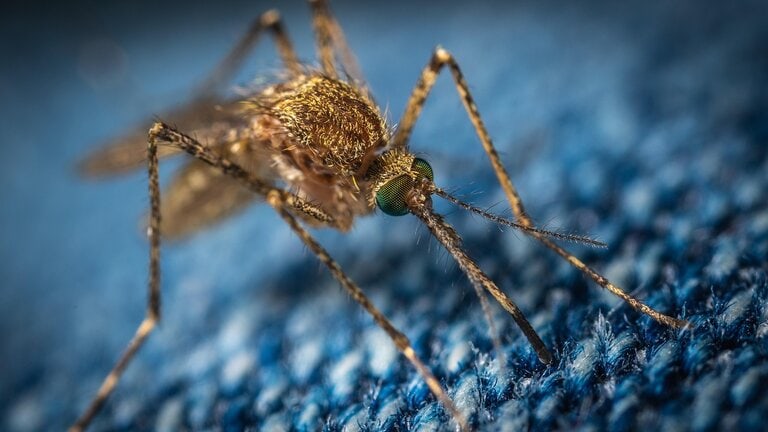
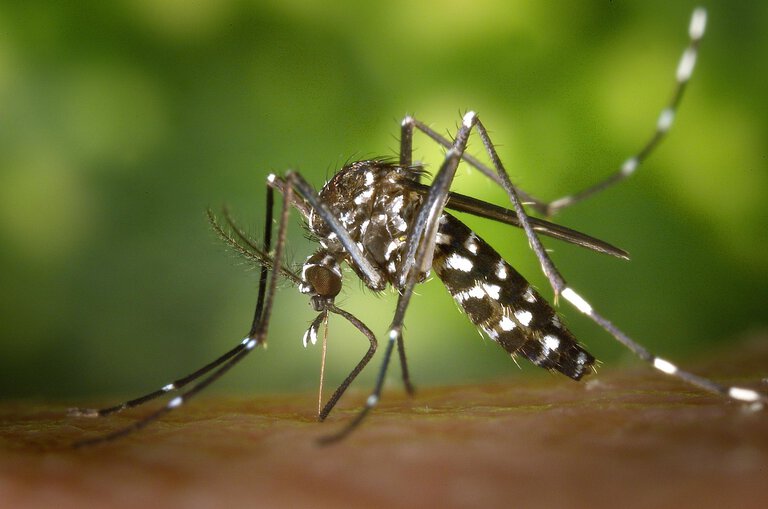
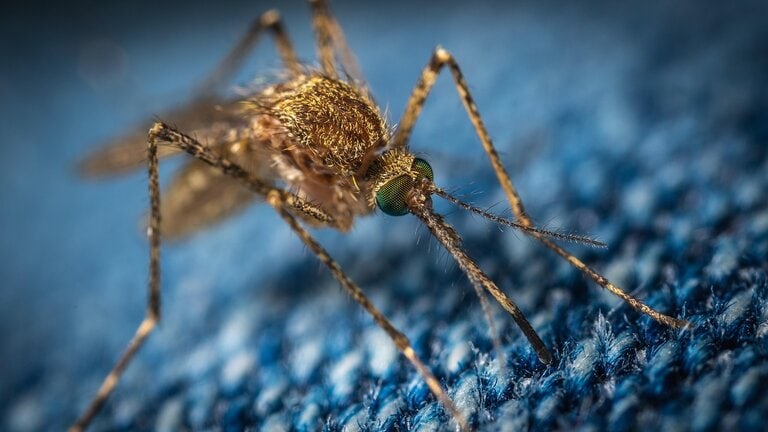
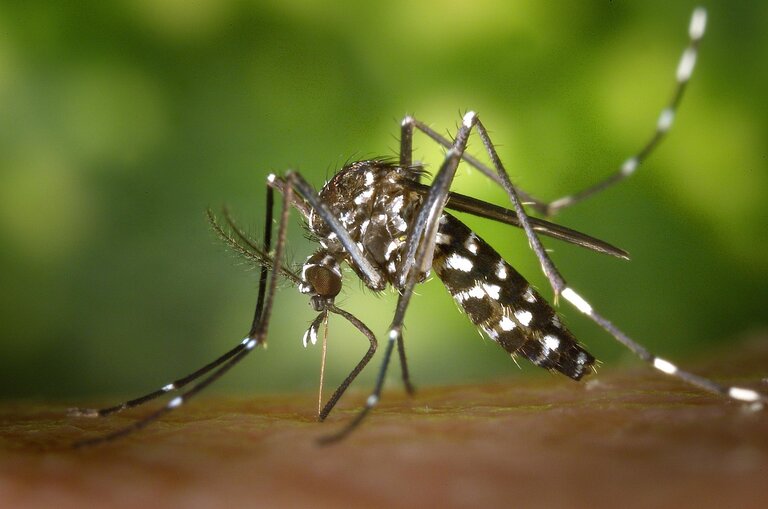
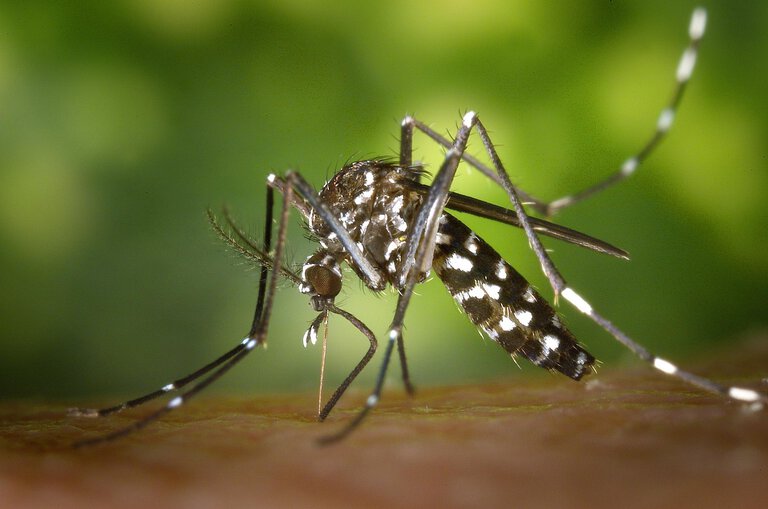
Similarly, Mosquitoes, particularly species of the genus Aedes (such as Aedes vexans), are profoundly impacted by these conditions. Studies by the Université du Québec à Montréal’s Centre for Research on Insect Vectors indicate that mosquito eggs require water and sufficiently warm temperatures, typically above 7-10°C (45-50°F), to hatch and for larval development to proceed. At 2.69°C, any overwintering eggs in Kapuskasing’s floodplains or containers will remain dormant. If any larvae were present in unfrozen water, their metabolic rate would be severely depressed, and development would be completely halted. The 100% humidity, while indicating a wet environment, does not mitigate the temperature’s suppressive effect on their life cycle at this specific sub-optimal threshold.
What to Do This Week in Kapuskasing
This week in Kapuskasing, with temperatures hovering just above freezing at 2.69°C (37°F) and 100% humidity, our focus remains on keeping those opportunistic critters from finding a warm, damp haven in your home. It’s the perfect time for a proactive perimeter check!
First, inspect your foundation, window frames, and door sweeps for any cracks or gaps. The fluctuating temperatures and constant moisture can worsen existing weak points, creating easy entryways for mice, spiders, and even cluster flies looking for shelter from the damp cold.
Secondly, with such high outdoor humidity, it’s vital to monitor and manage indoor humidity levels, especially in basements and crawl spaces. Consider running a dehumidifier if you notice condensation or musty smells. Reducing moisture helps deter silverfish, centipedes, and other moisture-loving pests that thrive in damp environments.
Thirdly, a quick but effective step is to clear any clutter from your garage, basement, or storage areas. Piles of boxes, old newspapers, or unused items provide excellent hiding spots for pests as they seek refuge from the chilly, wet conditions outside.
Finally, a tip specific to many homes right here in Kapuskasing: check areas where wooden structures like decks, porches, or even exterior siding meet the ground or foundation. Our local freeze-thaw cycles can create gaps and compromise wood integrity, making these prime entry points or nesting sites for carpenter ants and other wood-destroying insects as the ground thaws. Taking these preventative steps now can save you headaches later. If you’re looking for expert advice on pest control Kapuskasing Ontario, remember your local technician is always here to help!
Frequently Asked Questions about Pest Activity in Kapuskasing
What common pests should Kapuskasing residents be aware of in early spring?
As winter recedes in Kapuskasing, residents should watch for overwintering pests like cluster flies and boxelder bugs becoming active indoors. Mice may also seek warmth if outdoor temperatures fluctuate, making their way into homes. Carpenter ants can also start to emerge from hibernation, particularly if conditions become milder.
Is the pest risk generally low in Kapuskasing during mid-March?
Yes, the overall bug risk for outdoor activity in Kapuskasing during mid-March is typically low due to cold temperatures. However, indoor pests such as rodents and overwintering insects can still be present or become more active. It’s an ideal time to seal entry points and ensure proper sanitation to prevent spring infestations.
When is the best time to consider preventative pest control in Kapuskasing, Ontario?
The early spring is an excellent time for preventative pest control in Kapuskasing, Ontario. As temperatures rise, many pests begin to emerge and seek entry into homes. Proactive measures like sealing cracks, inspecting foundations, and addressing moisture issues can significantly reduce the likelihood of future infestations, saving homeowners trouble.
Are there specific pest concerns for homes near the Kapuskasing River, such as in the Riverside area?
Homes in Kapuskasing’s Riverside area, being close to the river, may experience increased activity from moisture-loving pests. As snow melts and ground moisture increases, residents might encounter earwigs, silverfish, or even some rodent species seeking shelter. Ensuring proper drainage and foundation sealing is especially crucial in these areas.
What are common signs of a pest issue in a Kapuskasing home during late winter/early spring?
Residents should look for signs like small droppings, gnaw marks on food packaging or structures, and unusual scratching or scurrying noises in walls or attics. Visible insects, especially those that appear sluggish (like cluster flies), also indicate a potential issue. Early detection helps prevent minor problems from escalating.
Protect Your Home in Kapuskasing, Ontario
Don’t let local bug activity catch you off guard. Visit our local store to get expert advice and the right supplies for your specific location.