Bug Report: Winthrop, Washington – 2026-03-17
This Forecast is Out of Date. Please visit https://justbiteme.com/regional-bug-bite-forecast for an updated forecast

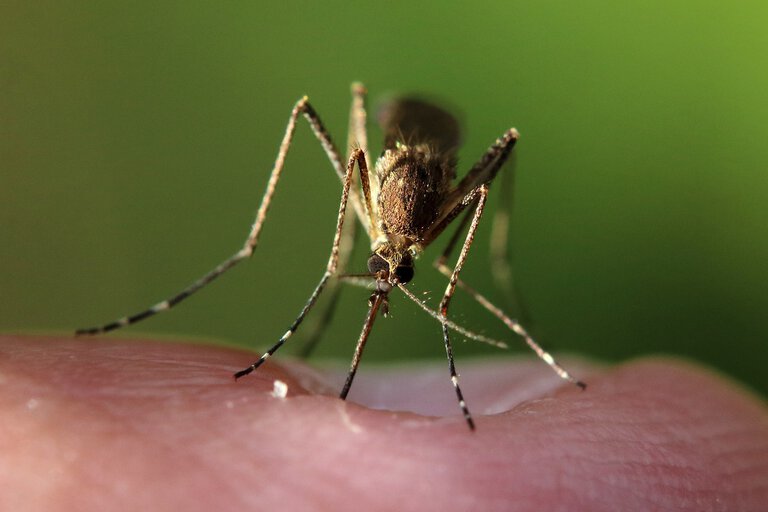
Image: Pixabay
Your Weekly Guide to Pest Control Winthrop Washington: March’s Cloudy, Cool Conditions
Welcome back to your trusted source for pest control Winthrop Washington insights! This week, March 17th, 2026, finds us under cloudy skies with temperatures hovering around a chilly -1.29°C (30°F) and a damp 98% humidity. As the Methow Valley slowly awakens from winter, with the last vestiges of snow still clinging to the higher elevations, we’re currently experiencing a low bug risk level. For homeowners in our unique mountainous, arid eastern Washington climate, a low risk means most pests are still largely dormant, hunkered down and not actively seeking entry or causing immediate issues. It’s a breathing room, but not a time for complacency.
This Week’s Weather and What It Means for Bugs
With temperatures dipping to a frigid -1.29°C (30°F) in Winthrop this week, most outdoor insect activity has come to a grinding halt. This sub-freezing weather acts as a strong biological trigger, compelling many pests to seek shelter or enter a state of dormancy known as diapause. For instance, according to research from Washington State University Extension, pests like the Boxelder Bug (Boisea trivittata) are driven by these freezing temperatures to abandon outdoor feeding and aggregation sites, actively searching for protected overwintering locations, frequently within the warm, sheltered voids of homes and businesses. Any outdoor individuals still exposed to -1.29°C (30°F) are unlikely to survive for long, making indoor harborage crucial for their survival until spring.
The extremely high humidity of 98%, coupled with the freezing -1.29°C (30°F) outdoor temperatures, creates a challenging environment that indirectly affects indoor pest populations. This combination is highly conducive to condensation forming on cooler surfaces inside buildings where warmer, moister indoor air meets cold exterior walls. As noted by entomologists at the University of California, Davis, pests such as Silverfish (Lepisma saccharina) thrive in these damp conditions, favoring areas with relative humidity often exceeding 75%. The prevailing 98% outdoor humidity exacerbates this potential, driving moisture indoors and providing prime breeding and foraging grounds for these moisture-loving pests in basements, bathrooms, and attics.
While the -1.29°C (30°F) temperature ensures that outdoor Carpenter Ant (Camponotus spp.) foraging and colony development are completely arrested, indoor colonies can remain active, albeit at a reduced metabolic rate. According to studies from Oregon State University, these ants will not be seen actively foraging outdoors when temperatures are consistently below freezing. However, the high 98% ambient humidity, especially if contributing to elevated indoor moisture levels from condensation, can indirectly benefit existing indoor colonies. Damp wood, often a result of persistent moisture, is highly preferred by Carpenter Ants for excavating their galleries, and the high humidity supports the microbial growth that can soften wood, making it easier to tunnel, even if their direct activity is slowed by the general cold.
What to Do This Week in Winthrop
This week in Winthrop, with temperatures hovering around freezing (30°F) and nearly 100% humidity, our bug risk might be low, but proactive pest prevention is still key! Many pests, especially rodents like mice and voles, are actively seeking warmth and shelter indoors during these chilly conditions. Start by thoroughly inspecting your home’s exterior for any small cracks, gaps, or openings around foundations, utility lines, and windows. Even a dime-sized hole can be an open invitation. Seal these entry points with caulk, steel wool, or mesh to block their access. Additionally, if you’re bringing in firewood, make sure to store it at least 20 feet from your home and inspect each piece before bringing it inside. Firewood is a common hideout for spiders and other overwintering insects looking for a free ride into your cozy home.
The high humidity, coupled with freezing temperatures, also means we need to be vigilant about moisture. Ensure your gutters and downspouts are clear of debris, even frozen, to prevent ice dams and allow for proper drainage as snow and ice inevitably melt and refreeze. Water pooling around your foundation can lead to future moisture issues, attracting pests and potentially damaging your home’s structure. For homes common in our beautiful valley, especially those with basements or crawl spaces, a quick check for any signs of excess dampness or standing water is a smart move. Addressing these issues now will go a long way in preventing pest problems later in the season. For comprehensive and effective pest control Winthrop Washington residents trust, remember that prevention is always the best strategy!
Frequently Asked Questions about Pest Activity in Winthrop
What common pests should Winthrop residents watch for in early spring?
Even with low risk in March, early spring in Winthrop can see rodents like deer mice seeking shelter as snow melts. Spiders, particularly hobo spiders or black widows, may become more active indoors. Carpenter ants might emerge, especially if drawn to damp wood. Monitoring for these early signs is key to preventing infestations.
When is the best time for preventative pest control in Winthrop, Washington?
Proactive pest control Winthrop Washington is most effective in early spring and late fall. Addressing potential entry points and applying preventative treatments before pests become established significantly reduces summer and winter infestations. This timing helps manage seasonal invaders like ants, spiders, and rodents before they become major problems in your home or business.
Are homes near the Methow River in Winthrop more susceptible to specific pests?
Homes in areas like the Methow River Loop or near the riverbanks in Winthrop can experience higher activity from moisture-loving pests. Mosquitoes and various flying insects become prevalent as temperatures rise. Rodents, seeking water sources, may also be more common. Ensuring good drainage and sealing foundations is crucial for these properties.
What signs indicate rodents might still be an issue in Winthrop homes transitioning from winter?
As winter transitions to spring in Winthrop, watch for droppings, gnaw marks on food packaging or structures, and scratching sounds in walls or attics. Rodents, especially mice, often seek warmth indoors during colder months. Sealing entry points and promptly addressing any signs of activity can prevent them from establishing a larger spring colony.
How does Winthrop’s natural environment influence local pest challenges?
Winthrop’s location amidst forests, mountains, and the Methow River directly impacts pest activity. The abundant natural habitat means more wildlife, which can lead to increased encounters with rodents, spiders, and occasional bats. Wood structures common in the area also attract carpenter ants. Understanding this environment helps residents prepare for seasonal pest management.
Protect Your Home in Winthrop, Washington
Don’t let local bug activity catch you off guard. Visit our local store to get expert advice and the right supplies for your specific location.