Bug Report: Kenora, Ontario – 2026-03-17
This Forecast is Out of Date. Please visit https://justbiteme.com/regional-bug-bite-forecast for an updated forecast

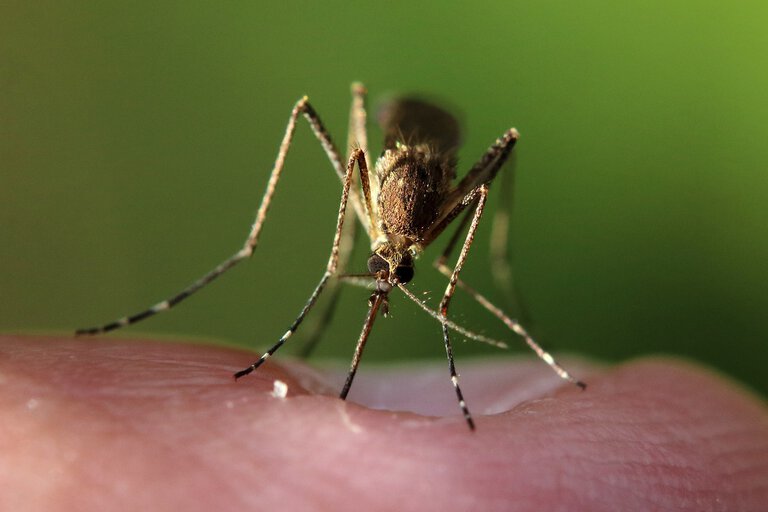
Image: Pixabay
Your Weekly Update on Pest Control Kenora Ontario: Navigating the Cloud-Covered Chill (0.38°C)
Welcome back, Kenora homeowners! As your local pest control Kenora Ontario expert with 15 years of experience tackling everything from tiny invaders to persistent critters across the province, I’m here with your weekly bug report. This week, March 17th, 2026, sees us with a low bug risk level, thanks to the persistent clouds, high humidity at 97%, and a chilly 0.38°C. For those living near Lake of the Woods or by the Harbourfront, this means that most outdoor pests are still largely dormant, huddled away from the lingering cold that defines our region’s distinct continental climate, known for its cold winters and warm summers.
This Week’s Weather and What It Means for Bugs
This week’s conditions in Kenora, with a temperature of 0.38°C (33°F) and 97% humidity under cloudy skies, create a challenging environment for most insect activity. At just above freezing, the vast majority of local pest species will remain in overwintering stages such as diapause, seeking refuge in sheltered locations or deep within soil and leaf litter. According to entomological studies from the University of Guelph, temperatures at or below 5°C significantly reduce metabolic rates and halt reproductive cycles for many temperate insect species, ensuring dormancy rather than active foraging or breeding at 0.38°C. However, the exceptionally high humidity of 97% is a critical factor even for dormant pests, helping to prevent desiccation of overwintering eggs, larvae, or adults, thereby improving their chances of survival until warmer spring conditions.
For pests like the Cluster Fly (Pollenia rudis), which typically overwinter indoors, the outdoor temperature of 0.38°C ensures that any remaining outdoor populations are completely inactive. Should these flies be sheltered within a structure, this low outdoor temperature means they will remain in a state of torpor, though slight internal temperature fluctuations could cause brief, sluggish movements. The 97% outdoor humidity, while not directly impacting indoor flies, reflects conditions that keep their outdoor environment moist and unsuitable for activity. Similarly, Blacklegged Ticks (Ixodes scapularis), vectors for Lyme disease, are typically inactive below 0°C. However, at 0.38°C, they are at the absolute threshold for potential activity. Research from the University of Manitoba indicates that even brief periods above freezing, combined with high humidity, can allow ticks to emerge from leaf litter for short durations. The 97% humidity is crucial for these arachnids, preventing desiccation of their delicate exoskeletons if they were to become active at this marginal temperature.
In contrast to most pests, the measured conditions are quite favorable for cold-hardy arthropods such as Snow Fleas (Springtails – Hypogastrura nivicola). These fascinating creatures are uniquely adapted to cold temperatures, often observed on snow surfaces. At 0.38°C, these springtails can remain active, feeding on algae, fungi, and detritus found in snowmelt or within the upper layer of soil. Studies from the Canadian Forest Service highlight that high humidity environments, like the 97% measured this week, are essential for snow fleas, as their small size and permeable cuticles make them highly susceptible to desiccation in drier conditions, even at low temperatures. Therefore, while most pests are in deep dormancy, these specialized arthropods are thriving under Kenora’s current cool and very moist conditions.
What to Do This Week in Kenora
Alright folks, your friendly pest control expert from Kenora here with your weekly bug report! Even though the official bug risk is low this week with temperatures hovering just above freezing at 0.38°C (33°F) and cloudy skies, those high humidity levels at a whopping 97% mean we can’t let our guard down. Pests are always looking for a way in, especially when it’s damp and chilly outside. First off, get proactive and conduct a thorough moisture check around your home. Pay special attention to basements, crawl spaces, and areas around windows. High humidity like we’re seeing can create perfect breeding grounds for moisture-loving critters such as silverfish, centipedes, and even certain types of beetles, not to mention leading to potential mold issues that attract other pests. Secondly, now is a great time to seal up any small cracks or gaps you might find around your foundation, window frames, or utility entry points.
Sealing these tiny entry points is crucial because even a low risk doesn’t mean zero risk; overwintering pests or those seeking refuge from the persistent dampness will exploit any weakness to get inside. Thirdly, given Kenora’s beautiful lakefront setting and many charming older homes and cabins, take a moment to inspect any exterior wood structures – think decks, sheds, and especially those docks that might be near your property. The high humidity can accelerate wood rot, which then becomes a magnet for destructive pests like carpenter ants. Finally, make sure to clear away any lingering leaf litter or debris from around your home’s foundation. These damp, sheltered spots are prime real estate for pests trying to escape the elements and get cozy near your warmth. Taking these proactive steps can save you a headache down the road, and remember, for any stubborn issues or if you suspect a problem, professional pest control Kenora Ontario is always here to help.
Frequently Asked Questions about Pest Activity in Kenora
What common pests might Kenora residents encounter in mid-March?
In mid-March, Kenora generally experiences low pest activity due to persistent cold. However, residents might still encounter overwintering pests like cluster flies or boxelder bugs emerging indoors during warmer spells. Rodents such as mice and squirrels also remain active, seeking warmth and food inside homes and outbuildings. Early spring checks are advisable.
Are carpenter ants a concern for Kenora homeowners in early spring?
Carpenter ants can be a concern in Kenora, especially in homes with moisture issues or close to wooded areas. While peak activity is later, early spring might reveal their presence as colonies become active indoors. Look for wood shavings or trails of ants, particularly around window sills or door frames. Addressing moisture is key to prevention.
What pest challenges are common in Kenora’s Keewatin area?
Homes in Kenora’s Keewatin area, often near water or with older structures, can face specific pest challenges. Rodents are common, attracted to waterfront properties. Overwintering insects like spiders or cluster flies also frequently seek shelter indoors. Regular exterior inspections and sealing entry points are crucial for residents in this area.
How can Kenora residents proactively prevent pests in early spring?
To prevent early spring pests in Kenora, seal all exterior cracks and gaps in foundations, windows, and doors. Ensure good drainage to reduce moisture around your home, a common pest attractor. Keep outdoor areas tidy and vegetation trimmed back. For persistent issues, professional **pest control Kenora Ontario** services can provide effective, localized solutions.
Why might I see more spiders or cluster flies indoors in Kenora during March?
During March in Kenora, you might see more spiders or cluster flies indoors as they emerge from overwintering sites. Fluctuating temperatures can prompt these pests to become active. Spiders often seek prey and warmth, while cluster flies simply awaken from dormancy. Sealing entry points and indoor cleaning can help manage these early spring visitors.
Protect Your Home in Kenora, Ontario
Don’t let local bug activity catch you off guard. Visit our local store to get expert advice and the right supplies for your specific location.