Bug Report: Gladstone, Manitoba – 2026-03-17
This Forecast is Out of Date. Please visit https://justbiteme.com/regional-bug-bite-forecast for an updated forecast

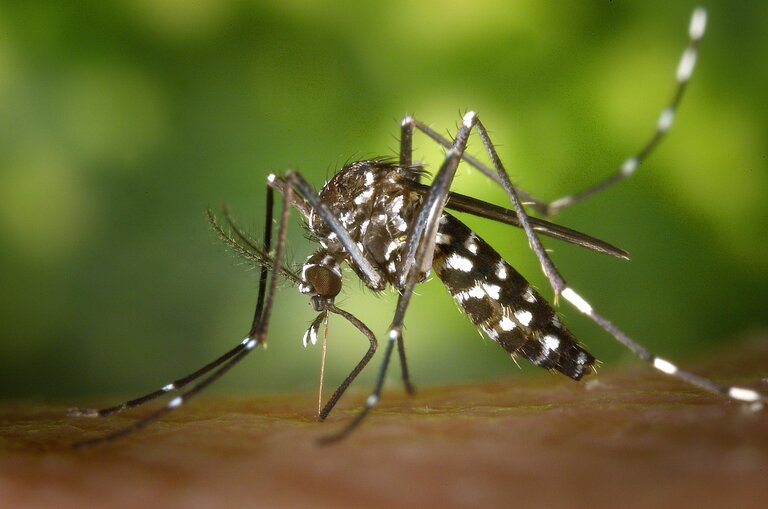
Image: Pixabay
Pest Control Gladstone Manitoba: Navigating the 0°C, 99% Humidity Week of March 17, 2026
Welcome back to your weekly bug report, Gladstone neighbours! As a seasoned expert in pest control Gladstone Manitoba, I’m here to provide insights tailored to our unique prairie climate. This week, March 17, 2026, sees us under cloudy skies with temperatures hovering right at 0.0°C and near-total humidity. While many of us are dreaming of spring walks along the Whitemud River or the reopening of the farmer’s market, the good news for your home is that we’re currently at a Low bug risk level. This means that most outdoor pests are still largely inactive, either in deep hibernation or simply too sluggish to be a significant bother, offering a quiet respite from the usual seasonal anxieties for homeowners in our area.
This Week’s Weather and What It Means for Bugs
At 0.0°C (32°F), insect activity in Gladstone, Manitoba, comes to a near standstill. According to entomological research from the University of Manitoba, most pest insects native to this region are poikilothermic, meaning their body temperature mirrors the ambient environment. At this freezing point, physiological processes slow dramatically, leading to either a state of diapause (a dormant overwintering stage) or complete immobility, rendering them unable to feed, reproduce, or move effectively. This means that while outdoor populations are largely inactive, many species are actively seeking or have already found sheltered locations, often within or around human structures, to survive the cold. The concurrent 99% humidity, while not directly affecting the metabolic rate of these dormant insects, contributes to a saturated environment that, upon any slight warming, could lead to damp conditions around overwintering sites, potentially impacting fungal pathogen prevalence. More critically, it suggests a high potential for moisture issues indoors if structural integrity or ventilation is compromised, creating microclimates for other pests.
Considering these specific conditions, two common pests in Manitoba illustrate these biological responses. For instance, both Boxelder Bugs (Boisea trivittata) and Asian Lady Beetles (Harmonia axyridis) are well-known for their overwintering habits. At 0.0°C (32°F), these insects are not actively foraging or reproducing but rather aggregated in sheltered locations such as south-facing walls, attics, or wall voids of homes, where they remain in a state of suspended animation. Research from North Dakota State University indicates that temperatures at or below freezing trigger this diapause, and they will remain dormant until sustained warmer temperatures return. Furthermore, the extremely high 99% humidity outdoors, while not a direct activator for these outdoor overwintering pests, highlights conditions that, if replicated indoors due to poor ventilation or moisture intrusion, could indirectly benefit pests like Psocids (Booklice). According to studies by the University of Minnesota Extension, Psocids thrive in high humidity environments (above 70%) where mold and mildew, their primary food source, can proliferate. Therefore, while the freezing outdoor temperatures drive many pests indoors for shelter, the prevailing high humidity underscores the critical importance of indoor moisture control to prevent secondary pest issues related to dampness and fungal growth.
What to Do This Week in Gladstone
As the week of March 17th brings us just above freezing at 0.0°C with 99% humidity and cloudy skies, it’s a prime time for proactive pest prevention, even with a low bug risk. The high humidity outside means managing internal moisture is key. First, homeowners should conduct a thorough inspection of their basements, attics, and around windows for any signs of condensation, leaks, or dampness. This is crucial because damp conditions, especially in the consistent humidity we’re experiencing, create ideal breeding grounds for moisture-loving pests like silverfish and sowbugs. Second, take a moment to ensure your eavestroughs are clear and properly directing water away from your foundation. Given the common architecture of homes here, preventing water pooling is vital to protect against seepage into basements, a common entry point for various pests.
Beyond moisture, the lingering chill means pests are still seeking warmth. This week, we strongly advise you to check for and seal any small cracks or openings around your home’s foundation, utility entry points, and around window and door frames. Even a small gap can be an invitation for rodents, who are always on the lookout for a cozy, warm spot when outdoor temperatures hover around freezing. Finally, clear any accumulated debris or woodpiles from directly against your home’s exterior, especially relevant for many Gladstone residents who rely on wood heating. These piles offer excellent harborage for rodents and various insects. Taking these preventative steps now is essential for effective pest control Gladstone Manitoba residents can rely on to keep their homes pest-free as spring approaches.
Frequently Asked Questions about Pest Activity in Gladstone
What common pests should Gladstone residents be aware of in mid-March?
In mid-March, Gladstone typically experiences low outdoor insect activity due to colder temperatures. However, overwintering pests like rodents or cluster flies might become noticeable indoors as temperatures fluctuate. It’s also a good time to check for early signs of carpenter ants or moisture-seeking pests in basements as the weather transitions.
If I find pests in my Gladstone home, what’s the best course of action?
For any unexpected pest sightings in your Gladstone home, especially during low-risk periods, it’s best to identify the pest first. If the problem persists or escalates, contacting a local professional for pest control Gladstone Manitoba services is recommended. They can provide effective, long-term solutions tailored to the region.
Are there particular pest concerns for properties near the Whitemud River or in the Westbourne area of Gladstone?
Properties bordering natural areas like the Whitemud River, or in the Westbourne area, might experience increased rodent or moisture-related insect activity. Seasonal fluctuations can bring pests seeking shelter or food from riparian zones. Regular exterior inspections and proper sealing are advisable for these specific Gladstone locations to mitigate potential issues.
What proactive steps can Gladstone homeowners take to prevent pests in early spring?
Gladstone homeowners should seal cracks in foundations and around utility entry points. Ensure proper ventilation in attics and crawl spaces to reduce moisture. Store firewood away from the house and keep clutter minimal. These preventative measures help deter pests from seeking entry before the more active spring season fully begins.
Protect Your Home in Gladstone, Manitoba
Don’t let local bug activity catch you off guard. Visit our local store to get expert advice and the right supplies for your specific location.