Bug Report: Medicine Hat, Alberta – 2026-03-17
This Forecast is Out of Date. Please visit https://justbiteme.com/regional-bug-bite-forecast for an updated forecast

Image: Pixabay
Your Weekly Pest Control Medicine Hat Alberta Update: Damp, Cloudy Start to Spring
Welcome to your weekly pest control Medicine Hat Alberta report! This week, as March rolls on, we’re experiencing a notably damp and cloudy stretch with temperatures hovering around 1.64°C (35°F) and a high 97% humidity. For those of us used to Medicine Hat’s typically sunnier, arid prairie climate, this feels quite different. While it might seem mild enough for a stroll near the Saamis Tepee or along the South Saskatchewan River, the overall bug risk level remains low. This means active pest threats are minimal outdoors, but the persistent dampness could encourage some critters to seek drier shelter indoors.
This Week’s Weather and What It Means for Bugs
The current conditions in Medicine Hat, featuring a temperature of 1.64°C (35°F), an exceptionally high 97% humidity, and cloudy skies, create a specific environmental influence on local pest biology. At temperatures just above freezing, most cold-blooded insects and arthropods are pushed into a state of dormancy or significantly reduced activity, seeking shelter from the cold. However, this precise temperature range, being above 0°C, means that many overwintering stages are not succumbing to lethal freezing, which could be a risk at sustained sub-zero temperatures. The near-saturation humidity is particularly significant, as it drastically reduces the risk of desiccation for dormant organisms and helps maintain crucial moisture levels in microhabitats, vital for the survival of many pest species during periods of inactivity.
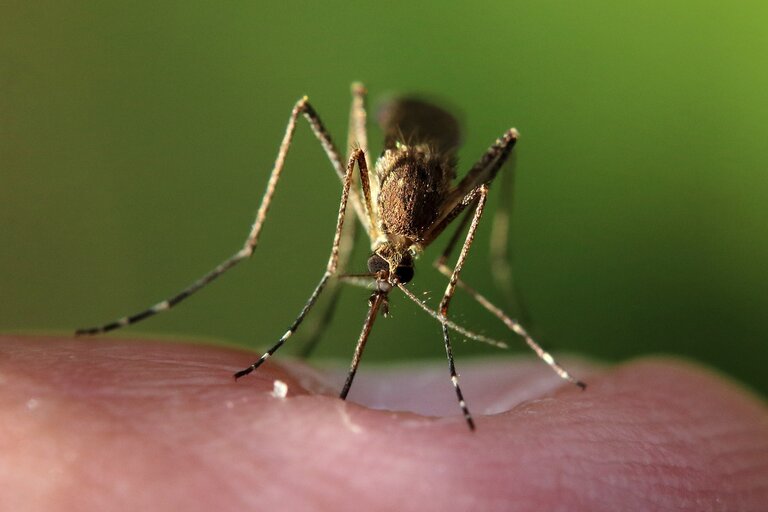
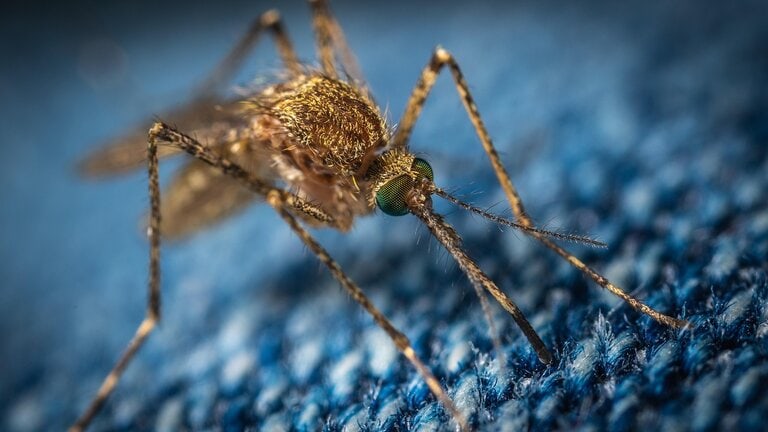
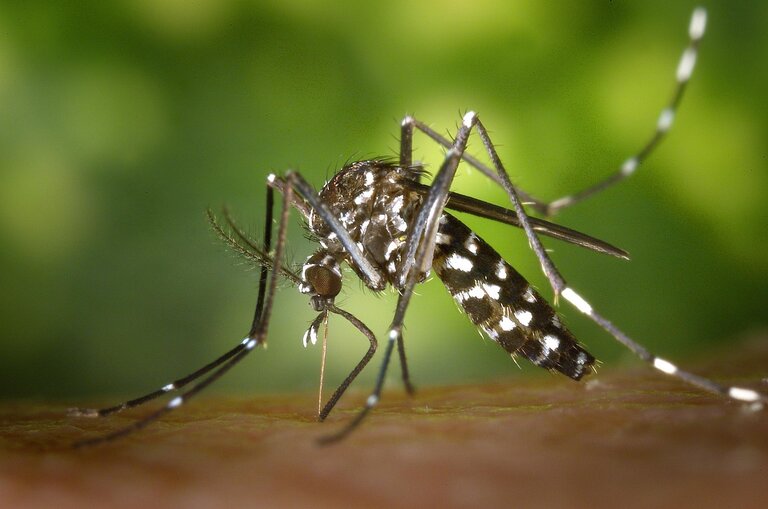
For common overwintering household pests such as **Boxelder Bugs** (Boisea trivittata) and **Cluster Flies** (Pollenia rudis), the 1.64°C temperature ensures they remain largely dormant within the sheltered confines of homes and other structures. According to research from Purdue University, these pests typically enter a state of quiescence or diapause when temperatures consistently fall below 10-15°C, making 1.64°C well below their active threshold. While inactive, the 97% humidity supports their physiological state by preventing excessive moisture loss over prolonged periods of dormancy, a factor that can impact their overwintering success. Similarly, **mosquitoes**, particularly overwintering species like certain Culex adults or Aedes eggs, are directly influenced. At 1.64°C, adult mosquitoes are completely inactive; however, this temperature range allows for the survival of diapausing adult females in sheltered hibernacula or for the successful overwintering of desiccation-resistant eggs in flood plains. Entomological studies from the University of Florida emphasize that high humidity is critical for maintaining the viability of these overwintering stages, protecting them from drying out before spring.
Another group significantly affected by these conditions are **springtails** (Order Collembola), tiny arthropods often found in soil and leaf litter. While often overlooked, springtails can become nuisance pests if they migrate indoors. According to research conducted by the University of Alberta on local soil arthropods, many springtail species remain active and can even reproduce at temperatures just above freezing, making 1.64°C a viable temperature for their continued, albeit slow, metabolism. The near-complete saturation of the air at 97% humidity is an ideal environment for these moisture-loving creatures, promoting their activity in damp areas around foundations, under debris, or within very moist soil. These conditions ensure their preferred habitat remains highly favorable, potentially leading to increased populations in microclimates where they can find consistent moisture and food sources, even during cooler periods.
What to Do This Week in Medicine Hat
Greetings, Medicine Hat neighbours! With temperatures just above freezing at 1.64°C and a damp 97% humidity this week, pests are still actively looking for warmer, drier shelter inside your home, even though the overall bug risk is low. Your primary defense right now is to seal up potential entry points. Take some time to inspect your home’s exterior, paying close attention to cracks in foundations, gaps around utility pipes (like gas lines, common in our area), and worn weather stripping around doors and windows. These small openings are prime real estate for overwintering pests like boxelder bugs, cluster flies, and even rodents trying to escape the chill and damp. By blocking these access points, you’re not just keeping pests out; you’re also making your home more energy-efficient.
Beyond sealing, active moisture management is key with our current high humidity. Check for any leaky faucets, pipes, or drainage issues in your basement or crawl spaces, and consider running a dehumidifier in particularly damp areas. Reducing indoor humidity makes your home less appealing to moisture-loving pests such as silverfish and earwigs, and helps prevent mold and mildew, which can attract other unwanted visitors. Furthermore, if you’re using firewood to keep warm, store it at least 20 feet away from your home and only bring in what you plan to burn immediately. Given our proximity to the beautiful South Saskatchewan River and coulee systems, keeping your immediate perimeter clear of leaf litter and other yard debris is even more crucial, as these areas provide perfect harborage for pests seeking to invade. Proactive measures like these are essential for effective pest control Medicine Hat Alberta, helping you maintain a comfortable, pest-free home without needing extensive intervention later on.
Frequently Asked Questions about Pest Activity in Medicine Hat
What common pests should Medicine Hat residents watch for in early spring?
Early spring in Medicine Hat often sees activity from overwintering pests like rodents and cluster flies seeking warmer spots indoors. As temperatures rise, ants may also become more noticeable as they forage for food. Monitoring for signs of these pests can help prevent larger infestations later in the year.
When is the best time for preventative pest control in Medicine Hat, Alberta?
Proactive pest control in Medicine Hat, Alberta, is often most effective in early spring before pests establish themselves. Addressing potential entry points and applying preventative treatments then can significantly reduce summer infestations of ants, wasps, and spiders. Consulting a local expert provides tailored advice for your property.
Are there particular pest concerns for homes located near the South Saskatchewan River in Medicine Hat, like those in Riverside?
Homes in areas like Riverside, close to the South Saskatchewan River, might experience increased activity from moisture-loving pests such as mosquitoes and earwigs, especially after heavy rains or during warmer periods. Spiders can also be more prevalent due to the nearby natural habitats providing ample food sources.
What should Medicine Hat homeowners do if they find signs of rodents during the late winter/early spring transition?
If you discover rodent signs in late winter/early spring in Medicine Hat, it’s crucial to act quickly. Seal entry points, remove accessible food sources, and use traps. Rodents can breed rapidly, so professional assessment is often recommended to ensure complete eradication and prevent potential structural damage or health risks.
Protect Your Home in Medicine Hat, Alberta
Don’t let local bug activity catch you off guard. Visit our local store to get expert advice and the right supplies for your specific location.