Why Bee Stings Need Quick Treatment: A Clear Guide
Why bee stings need immediate treatment: the key medical reasons
A bee sting is not just a sharp, momentary ouch. The venom keeps flowing into your body long after the initial strike, and for some people, the consequences can turn life-threatening within minutes. Speed is everything here. Removing the stinger fast, cleaning the area, and knowing when to reach for an epinephrine autoinjector can genuinely be the difference between a sore afternoon and a trip to the emergency room.
Here is why acting fast matters so much:
- Honey bee stingers are barbed and stay lodged in your skin with the venom sac still attached, continuing to pump venom until removed.
- Venom causes local pain, swelling, and itching within minutes, driven by proteolytic enzymes that break down surrounding tissue.
- Anaphylaxis typically begins within 15–60 minutes after a sting, and individuals with prior severe reactions have roughly a 50% chance of anaphylaxis upon re-sting.
- Immediate stinger removal reduces total venom load, directly limiting the severity of both local and systemic reactions.
- Early epinephrine administration is the single most effective intervention for stopping anaphylaxis from progressing to airway closure or circulatory collapse.
Understanding bee stings: biology, symptoms, and risk factors
Not every buzzing insect stings the same way, and knowing the difference shapes how you respond. Honey bees leave their barbed stinger behind, meaning they sting only once. Wasps, hornets, and yellow jackets, all members of the Vespidae family, can sting repeatedly because their stingers are smooth. Vespidae are also more territorial and aggressive, making them responsible for most sting incidents in everyday settings.
Bee venom is a complex mix of low-molecular-weight enzymes like hyaluronidase and phospholipase, plus high-molecular-weight proteins that act as allergens. The enzymes degrade local tissue and trigger histamine release from mast cells, producing the classic cluster of symptoms: pain, redness, swelling, itching, and warmth at the sting site. For most people, those symptoms stay local and resolve within a few days.
Risk factors that push a reaction beyond “local and annoying” include:
- Previous allergic reactions to bee or wasp venom, which prime the immune system for a stronger IgE-mediated response on re-exposure.
- Multiple simultaneous stings, which flood the body with venom faster than it can clear.
- Proximity to a disturbed nest, particularly with Africanized honey bees, which are far more defensive and tend to swarm.
- Occupational exposure for construction workers, landscapers, beekeepers, and exterminators, who face repeated contact.
- Large local reactions (LLRs), which affect less than 10% of people stung but can extend beyond 10 cm, worsen over 48 hours, and persist for 7–10 days.
Understanding your personal risk level is the first step toward knowing how urgently you need to act after a sting.
How bee sting allergy is diagnosed and what complications can develop
Recognizing the difference between a normal sting reaction and a true allergic response is not always obvious in the moment. A normal local reaction stays near the sting site and fades within hours to a couple of days. A large local reaction spreads further, lasts longer, and can feel alarming, but it is not the same as anaphylaxis. Systemic symptoms are the red flag: hives spreading away from the sting, throat tightening, dizziness, nausea, or a sudden drop in blood pressure.
Allergy specialists confirm bee venom allergy through skin-prick testing or specific IgE blood tests. These tests identify whether your immune system has formed antibodies to venom proteins, and they guide decisions about venom immunotherapy, a desensitization treatment that allergists recommend after severe systemic reactions. Immunotherapy can dramatically reduce the risk of anaphylaxis on future stings.
Watch for these warning signs that demand immediate medical attention:
- Hives, flushing, or itching far from the sting site
- Swelling of the lips, tongue, or throat
- Difficulty breathing or wheezing
- Rapid or weak pulse, dizziness, or fainting
- Nausea, vomiting, or a sudden sense of dread
One complication worth noting: true secondary infections after bee stings are uncommon. The swelling you see in the days after a sting is almost always venom-driven inflammation, not bacterial infection. That said, if redness and warmth keep spreading after 48–72 hours rather than improving, a medical evaluation makes sense.
How to treat a bee sting fast, from first aid to emergency care
The first 60 seconds after a sting matter more than most people realize. Here is the sequence that gives you the best outcome.
Remove the stinger the right way
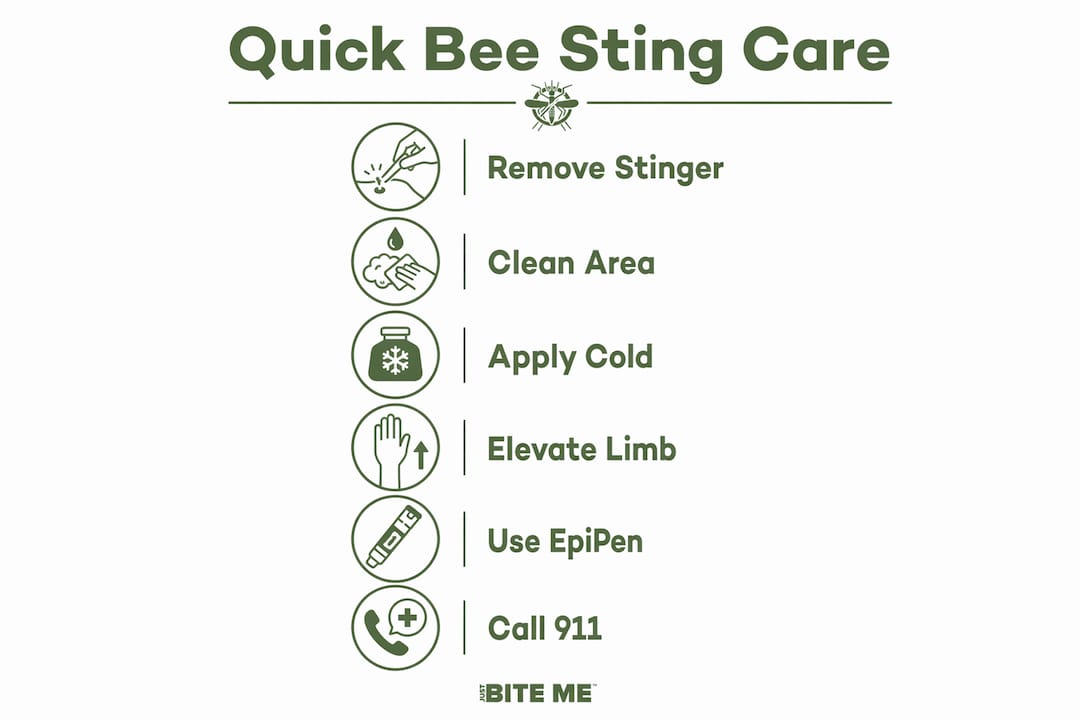
Scrape the stinger out using the edge of a credit card, a fingernail, or any firm, blunt object. Never use tweezers. Pinching the stinger with tweezers compresses the venom sac and forces more venom into the wound. The scraping motion dislodges the stinger without squeezing it.
Clean, cool, and elevate
Wash the area thoroughly with soap and water. Apply a cold pack wrapped in cloth for 10 minutes on, 10 minutes off. Keeping the affected limb elevated slows venom spread through the lymphatic system. For managing local swelling, over-the-counter antihistamines like diphenhydramine (Benadryl) and hydrocortisone cream help reduce itching and inflammation. NSAIDs or acetaminophen address pain.

Pro Tip: Slip off any rings, bracelets, or watches near the sting site right away. Swelling can develop rapidly and constrict circulation in fingers or extremities, making jewelry very difficult and painful to remove later.
When to use an EpiPen
Anyone with a known bee venom allergy should carry an epinephrine autoinjector (EpiPen) at all times outdoors. If systemic symptoms appear after a sting, use it immediately, without waiting to see if things get worse. Epinephrine reverses airway constriction and low blood pressure, and it can be repeated every 5–15 minutes if symptoms persist. Using it is not optional once anaphylaxis begins.
When to call 911
Call 911 immediately if you or someone nearby shows any systemic allergic symptoms after a sting, even after using an EpiPen. Anaphylaxis can progress faster than a drive to urgent care allows. People who are not allergic typically recover fully within one week, but for those with severe reactions, mortality is high without rapid treatment.
Prevention tips that actually work
- Wear light-colored, close-fitting clothing outdoors, since dark colors and loose fabric attract and trap stinging insects.
- Avoid floral perfumes and scented lotions on hikes or in the yard.
- Keep food and sugary drinks covered at outdoor gatherings.
- Stay calm and move away slowly if a bee or wasp approaches. Swatting triggers defensive stinging.
- If you live or work near nests, removing wasp nests safely before they grow large reduces your exposure risk considerably.
Why the speed of treatment changes everything
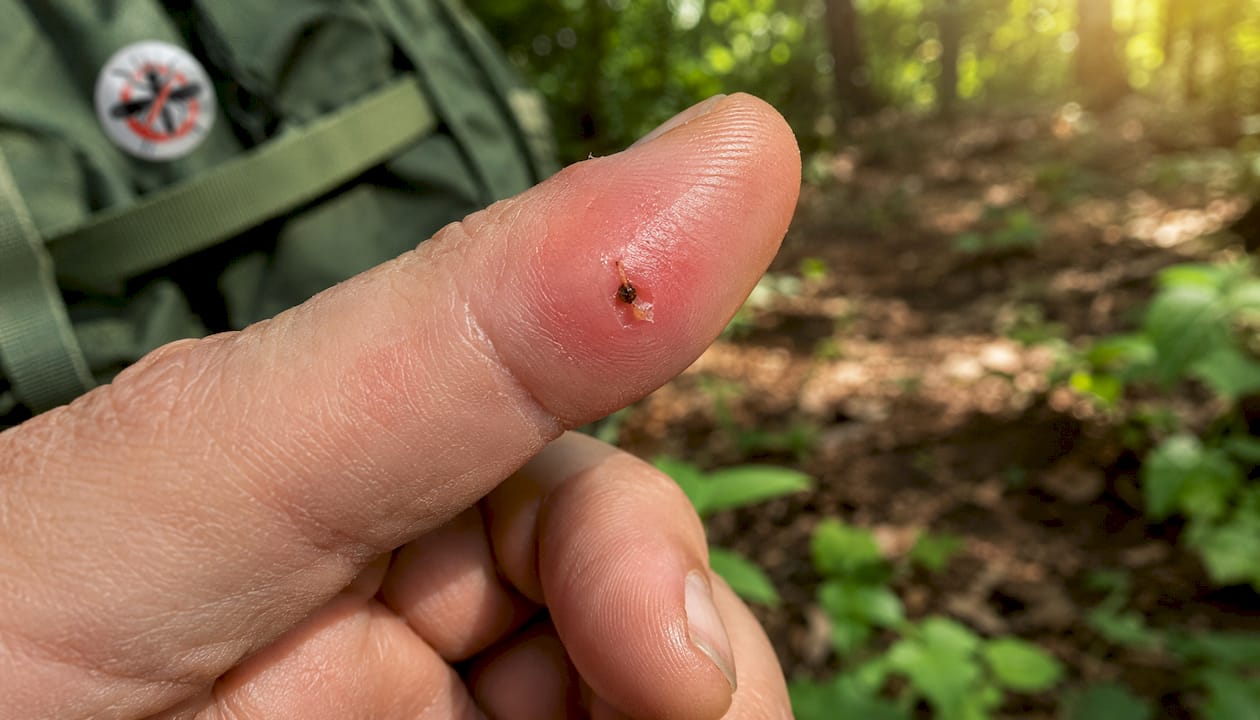
Every second the stinger stays in your skin, the venom sac continues releasing toxins. That is not a figure of speech. The barbed stinger of a honey bee is essentially a self-contained delivery system that keeps working independently of the bee. Removing it within the first minute meaningfully reduces the total venom injected, which directly limits pain, swelling, and the likelihood of a severe reaction.
For people with venom allergies, the timing of epinephrine is equally critical. Anaphylaxis typically begins within 15–60 minutes of a sting, and the airway can close within seconds to minutes once a systemic reaction takes hold. Delayed epinephrine use allows histamine and other mediators to cascade further, making the reaction harder to reverse. Medical experts consistently identify speed of treatment as the single most important factor in preventing a sting from becoming fatal.
Swelling also compounds quickly without intervention. Local inflammation peaks over 2–3 days, and without cold compresses, elevation, and antihistamines started early, that peak will be higher and more painful. For anyone who wants to understand the full pain response behind a sting, the venom’s enzymatic activity explains a lot about why early care changes the trajectory so dramatically.
Heading back outside? Justbiteme has you covered

We know that a bee sting is not going to keep you off the trail. After you have handled the urgent first aid, the lingering itch and irritation are where Justbiteme comes in. Our natural balm, made from just five clean ingredients including beeswax, coconut oil, and essential oils, temporarily relieves minor skin irritation and itching from bee stings, mosquito bites, chiggers, and more. Compact enough to tuck into any pack, it is built for the outdoors. Grab yours at Justbiteme and keep your adventures comfortable.
Key Takeaways
Bee stings need quick treatment because the venom sac keeps injecting toxins until removed, and anaphylaxis can begin within 15–60 minutes, making speed the most critical factor in preventing serious harm.
| Point | Details |
|---|---|
| Remove the stinger immediately | Scrape it out with a card or fingernail; never use tweezers, which squeeze more venom in. |
| Anaphylaxis onset is fast | Severe allergic reactions typically begin within 15–60 minutes; act before symptoms escalate. |
| EpiPen use is non-negotiable | Known allergy sufferers must inject epinephrine immediately and repeat every 5–15 minutes if needed. |
| Remove jewelry near the sting | Rapid swelling can constrict circulation in fingers and extremities, making removal painful later. |
| Past reactions don’t predict future ones | Severity can increase with each sting; allergist evaluation and immunotherapy are recommended after any severe reaction. |