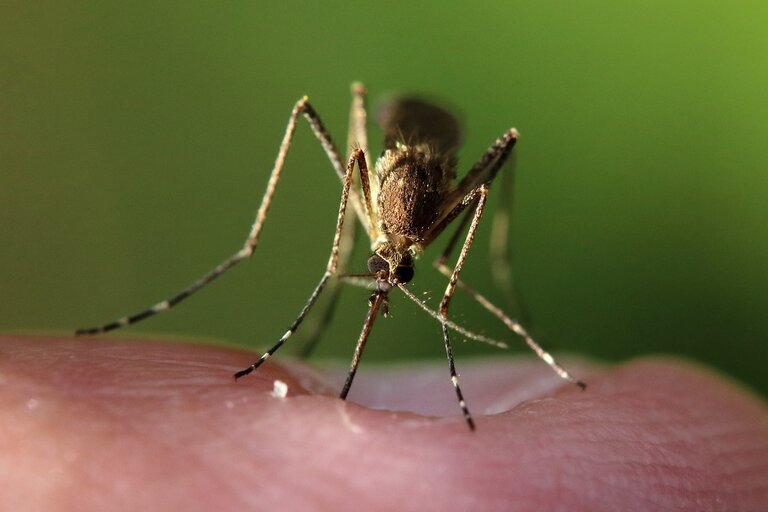
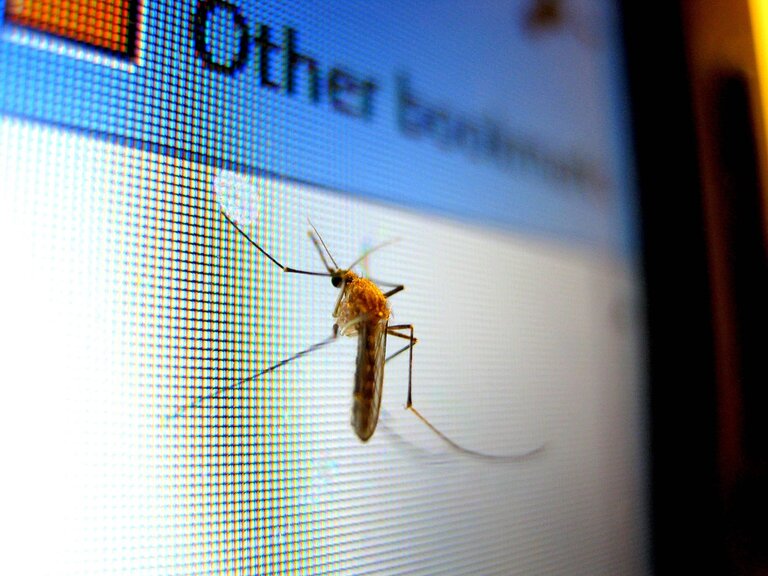
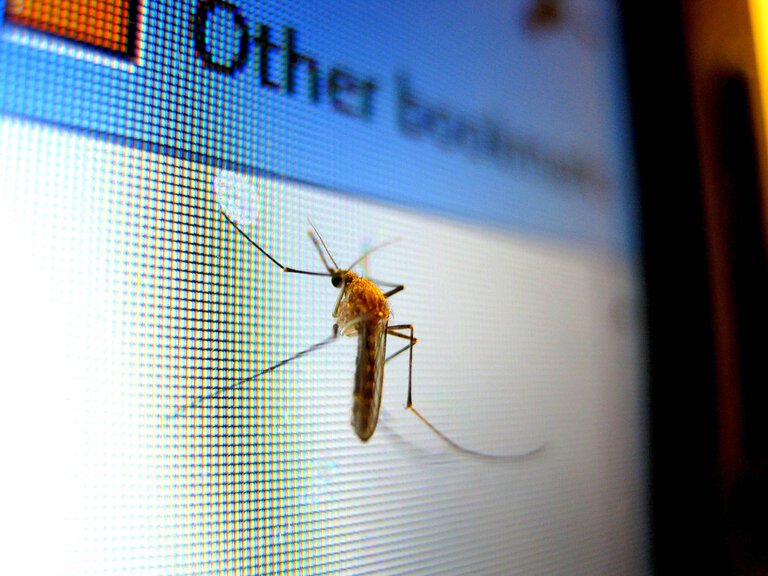
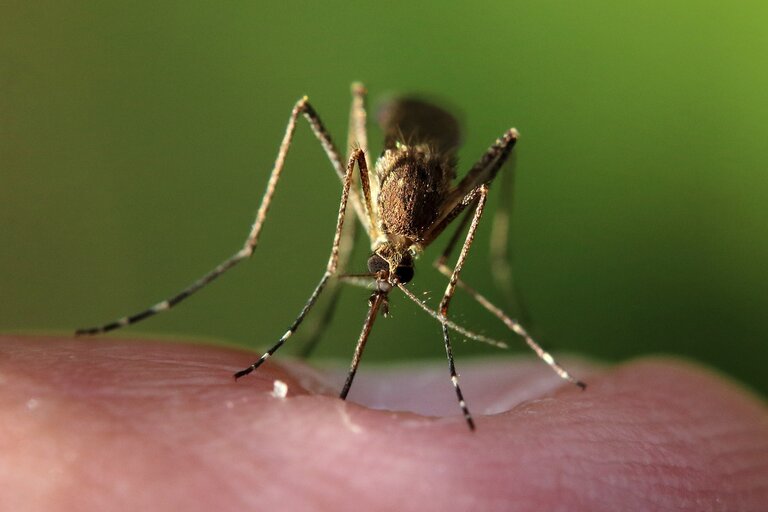
How Plant-Based Ingredients Soothe Stings Naturally
How plant-based ingredients soothe insect stings
Plant-based ingredients soothe insect stings by targeting the root of your discomfort: inflammation, irritation, and the body’s histamine response. The good news is that nature packed some genuinely powerful compounds into plants you may already have growing in your backyard or kitchen windowsill.
Here is what these ingredients actually do when you apply them:
- Reduce inflammation by inhibiting inflammatory cytokines locally, which cuts down redness and swelling at the sting site
- Cool the skin through compounds like menthol, which stimulates cold receptors and delivers fast analgesic relief
- Draw and clear irritants by assisting the body’s natural toxin clearance process, as seen with plantain’s mucilaginous polysaccharides
- Fight bacteria at the wound site, preventing secondary infection from scratching or open skin
- Moisturize and protect damaged tissue, helping skin recover faster after the initial reaction
Key bioactive compounds driving these effects include aucubin (an iridoid glycoside in plantain that directly inhibits inflammatory cytokines), menthol from peppermint, and the polyphenols and enzymes in Manuka honey. Applied promptly, most plant-based remedies begin reducing discomfort within minutes. Plantain poultices, for example, begin relieving pain in 5–10 minutes, with full resolution in 20–40 minutes. The earlier you apply, the better these remedies perform, since they work by dampening the inflammatory cascade before it peaks.
Which natural ingredients actually work for sting relief?
Not all plant-based options are created equal. Some target inflammation directly, others cool or numb, and a few do both. Here is a breakdown of the heavy hitters and what makes each one worth keeping in your outdoor kit.
Aloe vera: The gel from a fresh aloe leaf reduces redness and swelling through anti-inflammatory and antibacterial compounds. One herbalist reported that itching resolved in under two minutes after application, with relief lasting 1.5–2 hours. Snap a leaf, squeeze the gel directly onto the sting, and you are done.
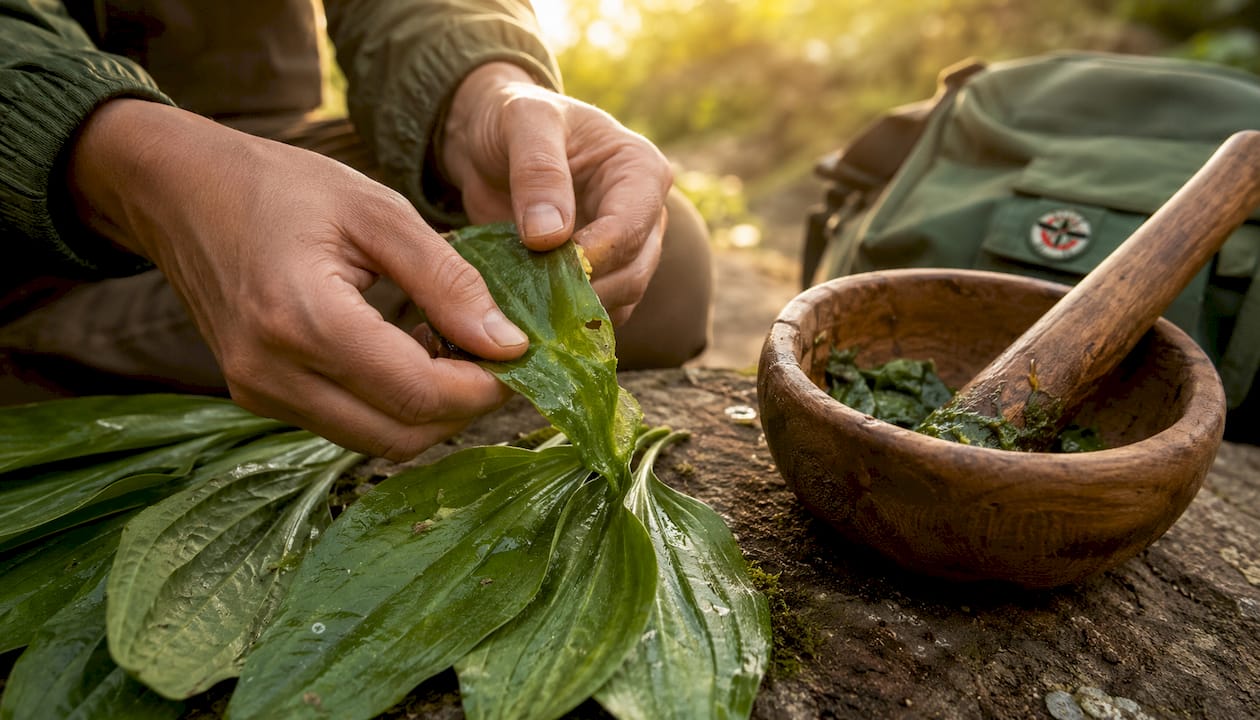
Plantain (Plantago major): This common “weed” growing in lawns and parking lots across North America is arguably the most accessible field remedy available. Its active compound, aucubin, suppresses the histamine-driven inflammatory reaction, while mucilaginous polysaccharides provide a drawing effect on the sting site. You can find a full breakdown of how it works at Justbiteme’s ingredient guide.
Tea tree oil: Antimicrobial and anti-itch, tea tree oil prevents bacterial infection at the sting site and may reduce the urge to scratch. It requires dilution before skin contact; undiluted application can worsen irritation rather than help it.
Witch hazel: This plant-based astringent contains tannins that constrict blood vessels and reduce inflammation in skin cells. Apply it with a cotton pad directly to the bite for a fast, gentle effect.
Menthol (from peppermint): Menthol stimulates cooling receptors in the skin, creating an analgesic and anti-itch effect without any numbing agents. Always dilute peppermint oil in a carrier oil like coconut or jojoba before applying to skin.
Clove oil: Clove’s primary active compound, eugenol, acts as a natural analgesic that numbs the affected area. It is especially useful for more painful stings where the burning sensation lingers.
Camphor: Derived from the camphor tree, camphor produces a cooling effect similar to menthol and helps reduce pain and itching from insect bites. It is a common ingredient in topical analgesic formulas for good reason.
Peppermint oil: Beyond its menthol content, peppermint oil has documented anti-inflammatory benefits that calm redness and irritation. Chamomile oil works similarly, making either a solid choice for sensitive skin.
Manuka honey (medical-grade): A 2021 research review confirmed that medical-grade honey, including Manuka, lowers inflammation and carries strong antimicrobial properties. Apply it to the sting site, cover loosely with a bandage, and leave it on for up to one hour for best results. Its natural antibacterial agents also help prevent infection while the wound heals. Bee propolis, a related hive product, shares similar immune-supporting properties and is available in supplement form through natural health sources for broader systemic support.
Pro Tip: Lavender essential oil is the rare exception among essential oils: it can be applied directly to skin without dilution. Every other essential oil on this list needs a carrier oil first, at roughly 1 drop of essential oil per 4–5 drops of carrier oil, to avoid burning or worsening the sting.
How to use plant-based remedies safely and effectively
Knowing which ingredients work is only half the equation. How and when you apply them makes a real difference in how much relief you actually get.
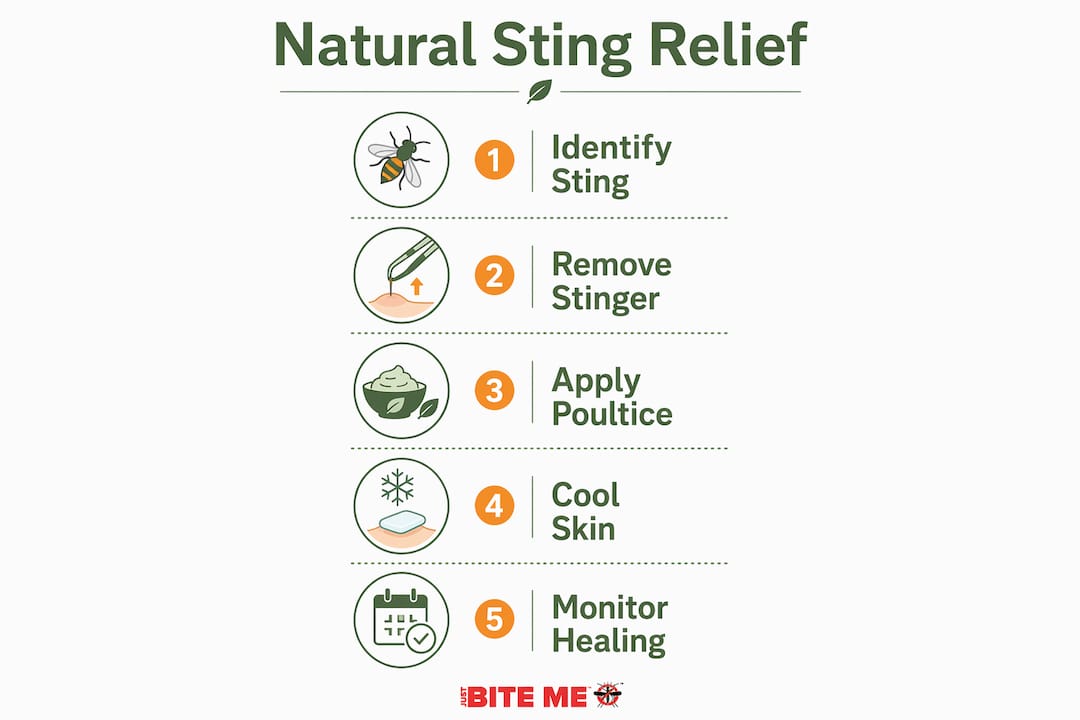
Start with the stinger. If a bee left its stinger behind, remove it before applying anything. Scrape horizontally across the skin with a card edge rather than grabbing it with tweezers. Squeezing with tweezers can push more venom into the skin, making the reaction worse.
Apply immediately. Natural remedies work by reducing the inflammatory cascade, and that cascade builds fast. The sooner you apply, the less inflammation you are fighting. Waiting 30 minutes means the reaction has already peaked, and you are playing catch-up.
Here are the core safety guidelines to follow:
- Dilute essential oils before skin contact: 1 drop essential oil to 4–5 drops carrier oil, except for lavender, which is safe for direct application
- Patch test any new remedy on a small area of skin 24 hours before full use, especially if you have sensitive skin or known plant allergies
- Reapply plantain poultices every 20–30 minutes during the first hour for sustained anti-inflammatory effect
- Do not apply heat remedies to broken or blistered skin
- Wash the area first with soap and water before applying any topical remedy
- Seek medical help if swelling spreads, breathing changes, or symptoms worsen rapidly — these are signs of a serious allergic reaction that no plant remedy can address
For plantain specifically, the most effective field method is a spit poultice: chew a fresh leaf until it becomes a soft paste, then press it firmly onto the sting. Saliva adds enzymatic activity that boosts the leaf’s anti-inflammatory potency beyond what simply rubbing a crushed leaf achieves. Reapply fresh poultice every 20–30 minutes for the first hour.
Pro Tip: When you are outdoors and caught without a kit, look down. Broadleaf plantain grows in almost every lawn, parking lot, and trailside in North America. You are rarely more than a few feet from a free, effective remedy.
What the science and herbalists say about plant-based sting relief
The research on plant-based sting remedies has grown meaningfully in recent years, and the findings align closely with what experienced herbalists have observed for generations.
Plantain’s aucubin compound is the most studied of these actives. It works by directly inhibiting the inflammatory cytokines that drive swelling, redness, and pain after a sting. This is not a vague “soothing” effect; it is a specific biochemical action that mirrors how some over-the-counter anti-inflammatory creams work, just through a plant-derived pathway. Pain relief begins within 5–10 minutes of applying a plantain poultice, with full resolution typically in 20–40 minutes, comparable to hydrocortisone cream.
Herbalist Niki Morrell, who has written extensively on herbal first aid, describes the effect this way:
That astringency Morrell mentions is a real mechanism. Tightening tissue reduces fluid accumulation at the sting site, which directly cuts swelling. Natural remedies like plantain and yarrow can outperform over-the-counter products when applied correctly and promptly, precisely because they combine multiple mechanisms at once: anti-inflammatory, astringent, and moistening effects working together.
One clarification worth making: the “drawing” effect that herbalists describe does not mean these remedies literally pull venom out of your skin. What actually happens is that they reduce local inflammation and assist the body’s own clearance process, helping the immune system resolve the reaction faster. That distinction matters for setting realistic expectations. These are comfort and recovery tools, not antidotes. For a serious allergic reaction, epinephrine and emergency care are the only appropriate responses.
Research on honey and essential oils reinforces the same picture. Medical-grade honey reduces inflammation and carries antimicrobial properties that prevent secondary infection, while tea tree oil’s anti-itch action has been documented in clinical trials. Many natural remedies work primarily by reducing inflammatory cytokines locally rather than neutralizing venom, which is exactly why early application is critical for effectiveness.
Ready to take plant-based relief on your next adventure?
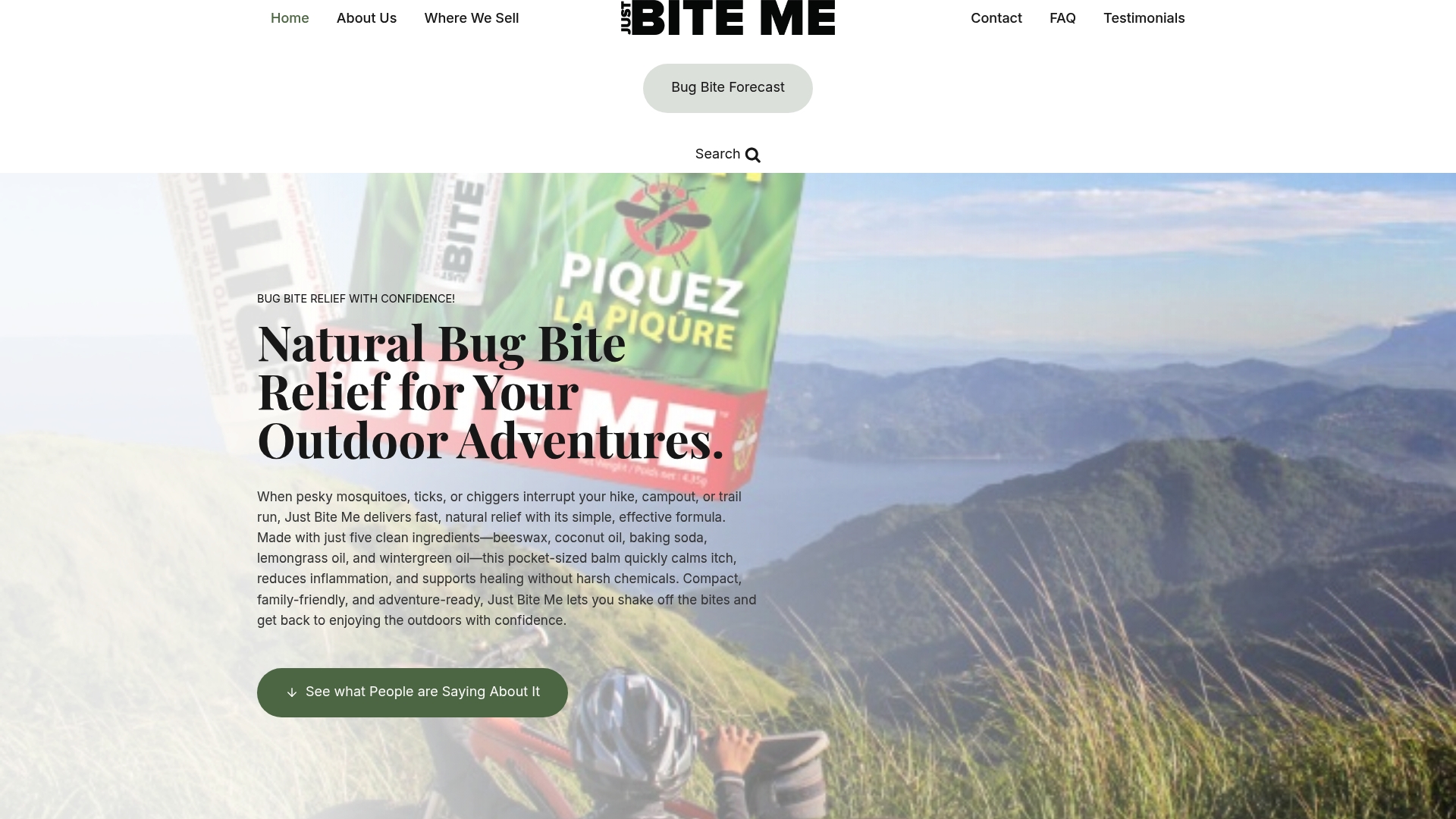
We built Justbiteme around exactly these principles. Our balm combines beeswax, coconut oil, and essential oils into a compact, five-ingredient formula designed for hikers, campers, and anyone who spends real time outdoors. No synthetic chemicals, no complicated routine. Just clean, plant-based ingredients that get to work fast on mosquito bites, bee stings, chiggers, and poison ivy.
Toss it in your pack before your next trail day. Your skin will thank you. Grab your Justbiteme balm and keep the adventure going, not the itch.
Key Takeaways
Plant-based ingredients soothe insect stings by inhibiting inflammatory cytokines, cooling the skin, and assisting the body’s natural clearance process, with the fastest results coming from immediate application.
| Point | Details |
|---|---|
| Apply immediately for best results | Natural remedies reduce the inflammatory cascade; waiting lets the reaction peak before treatment begins. |
| Plantain delivers fast relief | Plantain poultices begin relieving pain in 5–10 minutes, with full relief typically in 20–40 minutes. |
| Dilute essential oils | Use 1 drop essential oil per 4–5 drops carrier oil; lavender is the only exception safe for direct skin application. |
| “Drawing” is inflammation reduction | Plant remedies assist the body’s clearance process, not literal venom extraction — comfort tools, not antidotes. |
| Manuka honey fights infection too | Medical-grade honey lowers inflammation and carries antimicrobial properties; it should be left on the sting for up to one hour for best effect. |