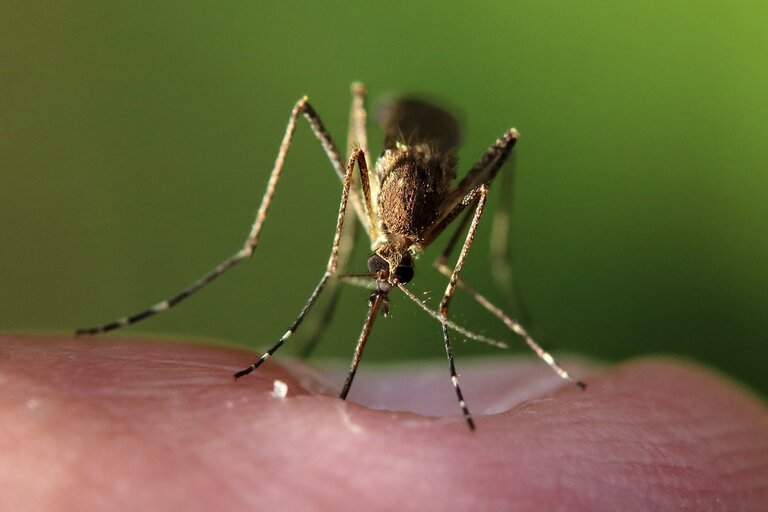
Homemade Bug Bite Relief That Actually Helps
That mosquito bite always seems to show up at the worst possible moment – halfway through a hike, during backyard dinner, or right after the kids finally settle down. When the itching starts, homemade bug bite relief can be a quick, natural way to calm skin and help you get back to enjoying the outdoors instead of scratching through it.
The good news is that a few simple ingredients can make a real difference, especially when you catch the irritation early. The less-fun truth is that not every DIY trick works the same way for every bite, every person, or every kind of skin. Some remedies are great for mild itch. Others are better for swelling, tenderness, or that hot, irritated feeling that makes a bite hard to ignore.
What homemade bug bite relief can do
For everyday mosquito bites, chigger bites, and other minor insect annoyances, homemade bug bite relief usually aims to do one of three things: soothe inflammation, reduce the urge to scratch, or create a light protective barrier over irritated skin. That matters because scratching often makes a small bite feel bigger, angrier, and longer-lasting.
Natural relief can be a great fit if you prefer simple ingredients and want something gentle enough to keep in your routine for camp trips, afternoons in the yard, or weekends at the ball field. It can also be handy when you need help fast and do not want to rummage through a crowded medicine cabinet.
Still, homemade does not automatically mean better. Some DIY remedies are messy, some wear off quickly, and some can bother sensitive skin. A little common sense goes a long way.
Start with the simplest fix first
Before you reach for any paste, oil, or balm, wash the area with mild soap and cool water. This clears away dirt, sweat, and anything left on the skin that could make irritation worse. After that, a cool compress for 10 minutes can bring down some of the heat and swelling.
That step sounds almost too basic, but it works. Cooling the bite often takes the edge off before you add anything else. If the bite is mild, this may be enough to stop the cycle of itch-scratch-repeat.
The most useful homemade bug bite relief options
A baking soda paste is one of the most popular choices for a reason. Mix a small amount of baking soda with just enough water to make a spreadable paste, dab it on the bite, and let it sit for around 10 minutes before rinsing off. It is simple, affordable, and often helps calm itchy skin. The trade-off is that it can dry some people out, especially if they use it repeatedly.
A little plain oatmeal can also be surprisingly comforting. Finely ground oats mixed with a bit of water create a soft paste that feels gentle on irritated skin. This can be a nice option for kids or anyone who finds stronger-smelling remedies unpleasant. It is soothing, but it is not the most portable solution if you are away from home.
Honey is another classic. A tiny dab can help create a protective layer over the bite and may make the area feel less irritated. The obvious downside is stickiness. Honey and summer dirt are not exactly best friends, so this one makes more sense indoors than on the trail.
Aloe vera gel works well when a bite feels hot, tight, or inflamed. If you have a plant at home, fresh gel can feel cool and calming. If you are using bottled aloe, choose a simple formula without a lot of added fragrance or alcohol. Aloe is especially nice when bites are clustered and your skin feels overworked.
Coconut oil is not the strongest itch reliever on its own, but it can help soften and protect dry, irritated skin. It is often better as part of a blend than as a solo fix. If your bite is already very red and itchy, you may want something more targeted first.
What to be careful with
Essential oils come up in almost every conversation about natural skin care, but this is where a little restraint helps. Some people like diluted lavender, tea tree, or peppermint oil for bug bites, but essential oils are potent and can irritate skin if they are used too strongly or on broken skin. Kids and people with sensitive skin may react more easily.
If you want to try an oil-based remedy, dilute it properly in a carrier oil and test a tiny area first. More is not better here. A bite that already feels angry does not need extra drama.
The same goes for vinegar and lemon juice. You may hear that they help stop itching, and for some people they do briefly. But they can also sting, especially if the bite has been scratched open. If your skin is already raw, skip anything acidic.
A simple DIY blend that makes sense
If you like the idea of keeping a ready-made natural option on hand, a balm-style approach usually works better than last-minute kitchen experiments. A blend with soothing oils, a dry ingredient like baking soda, and a protective base such as beeswax can be cleaner to apply and easier to carry.
That is one reason simple ingredient sticks and salves have become so popular with outdoor families. They offer the appeal of homemade bug bite relief without the mess of mixing something in the middle of a picnic or fishing trip. Just Bite Me follows that same practical idea with a five-ingredient formula designed to calm the itch and get people back to the fun part of being outside.
Different bites, different results
Not all bug bites act the same, so it helps to keep expectations realistic. Mosquito bites often respond well to cooling and soothing ingredients because the main issue is itch and minor swelling. Fire ant bites can be more painful and inflamed, which means gentle relief may help, but it might not feel dramatic right away.
Bee and wasp stings are a different story. First, make sure the stinger is removed if one is present. Then clean the area and use cooling relief. Some people find baking soda-based remedies comforting here too, but stings can cause stronger reactions than simple bites, so watch symptoms closely.
Chigger bites can linger and itch intensely. In those cases, homemade relief may help take the edge off, but you may need to reapply more often. Patience counts.
When natural relief is enough – and when it is not
For mild irritation, homemade care is often plenty. If the bite is small, itchy, and otherwise uncomplicated, simple soothing steps are usually all you need. Keep the area clean, avoid scratching, and use a remedy that feels calming rather than harsh.
But if you see major swelling, spreading redness, pus, severe pain, fever, or any signs of an allergic reaction like trouble breathing or swelling around the face or throat, do not try to tough it out with DIY care. That is the moment to seek medical attention.
It is also smart to be cautious with very young children, bites near the eyes, and anything that looks infected. Natural relief is great for everyday irritation. It is not meant to replace care when something more serious is going on.
How to make relief last longer outdoors
The best bug bite solution is the one you will actually use when you need it. That is why portability matters more than people think. A bowl of oatmeal paste may be lovely at home, but it is not much help from a campsite or soccer sideline.
For outdoor days, choose a relief option that is easy to pack, quick to apply, and not likely to leak all over your bag. Balm sticks, small tins, and compact containers tend to be the most practical. You are much more likely to treat a bite early if the fix is right there in your pocket or backpack.
It also helps to think beyond treatment. Lightweight long sleeves at dusk, a good bug repellent, and a quick rinse after being outside can all reduce the number of bites you are dealing with in the first place. Less itching is always the easier plan.
The best homemade bug bite relief is the one that fits real life
There is no single perfect remedy for every skin type, every bug, or every adventure. Baking soda may be your go-to. Aloe might be the thing your family reaches for every summer. A portable natural balm may end up being the easiest answer because it works without turning bug bite care into a kitchen project.
The real goal is simple: calm the itch, avoid making the bite worse, and get back to the part of the day you were actually looking forward to. If a homemade remedy helps you do that safely and comfortably, that is a win worth keeping close for your next day outside.