Bug Report: Port Stanley, Ontario – 2026-03-17
This Forecast is Out of Date. Please visit https://justbiteme.com/regional-bug-bite-forecast for an updated forecast

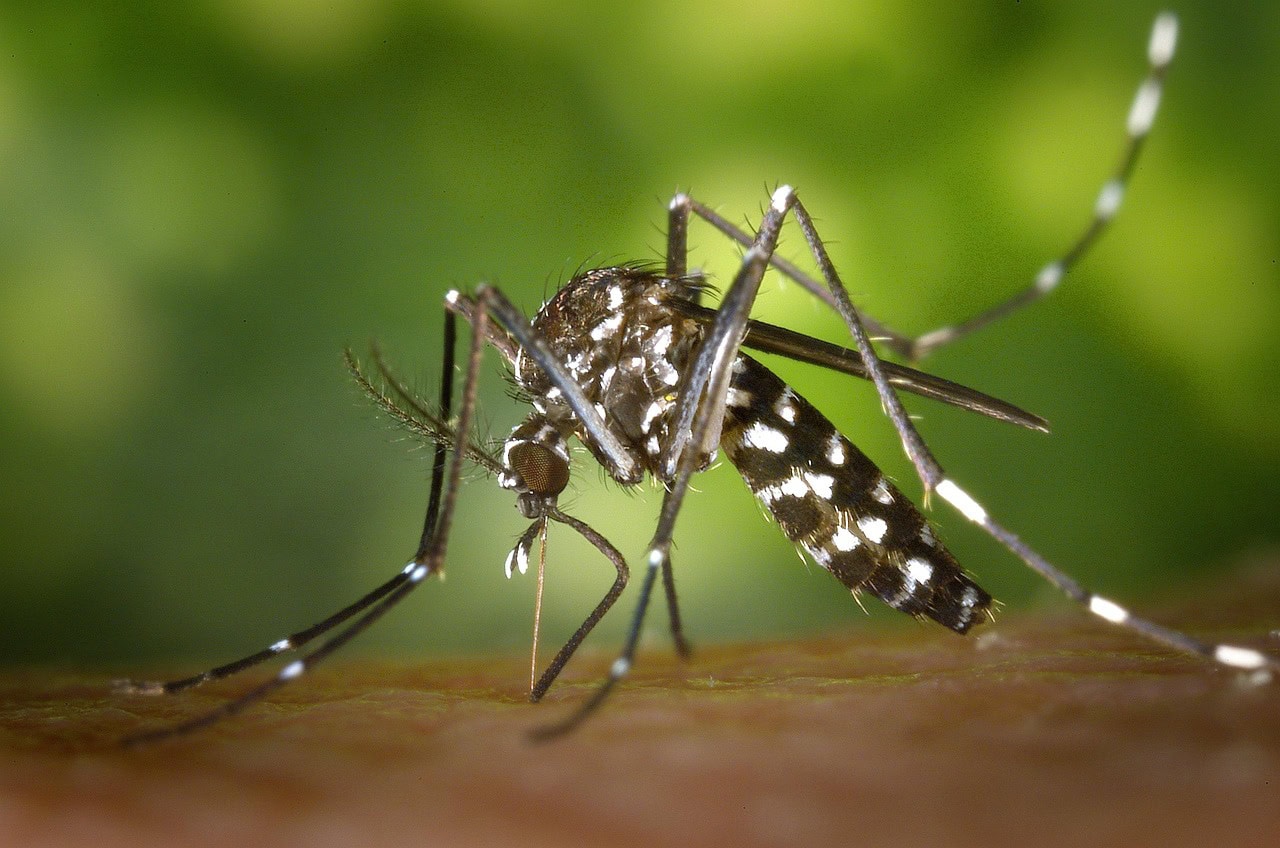
Image: Pixabay
Your Port Stanley Pest Control Ontario Update: Cloudy, Mild Start to Spring (Week of 2026-03-17)
Welcome back, Port Stanley homeowners! As your local expert in pest control Port Stanley Ontario, I’m here with your weekly bug report for March 17, 2026. This week, we’re experiencing some early spring warmth with temperatures around 12.55°C (55°F) under cloudy skies and 66% humidity. While it might feel good for a stroll along Port Stanley Main Beach, for now, our overall pest risk level is thankfully LOW. This means most common household pests like ants or rodents are less actively seeking entry, largely due to the fluctuating conditions typical of our humid continental Great Lakes climate this time of year.
This Week’s Weather and What It Means for Bugs
This week’s measured conditions in Port Stanley, Ontario, with a temperature of 12.55°C (55°F), 66% humidity, and cloudy skies, present a mixed bag for pest activity. While 12.55°C is above freezing, it remains on the cooler side for many insect species, significantly influencing their metabolic rates and development. For overwintering pests such as Cluster Flies (Pollenia rudis) and Boxelder Bugs (Boisea trivittata), this temperature can be a critical threshold. According to entomological research from various universities, including studies by the University of Guelph, temperatures around 12-15°C can trigger dormant insects to become active as they seek warmer conditions or are roused from torpor. The moderate 66% humidity, coupled with cloudy conditions, helps prevent desiccation for these pests as they potentially move from sheltered overwintering sites, making their occasional indoor sightings more likely during these specific conditions.
For active pests like Pavement Ants (Tetramorium caespitum), the 12.55°C temperature means that outdoor foraging activity will be noticeably reduced compared to warmer periods, but not entirely absent. Research from institutions like the University of Florida indicates that while optimal foraging temperatures for many ant species are higher, Pavement Ants can still be active down to about 10°C. Therefore, at 12.55°C, they may be observed foraging, particularly if seeking warmth or new food sources indoors. The 66% humidity is generally favorable for ant activity, providing sufficient moisture to prevent dehydration during their expeditions. Combined with cloudy skies, which reduce direct solar radiation and maintain ground moisture, conditions are stable enough for limited but persistent outdoor foraging and potential indoor intrusions.
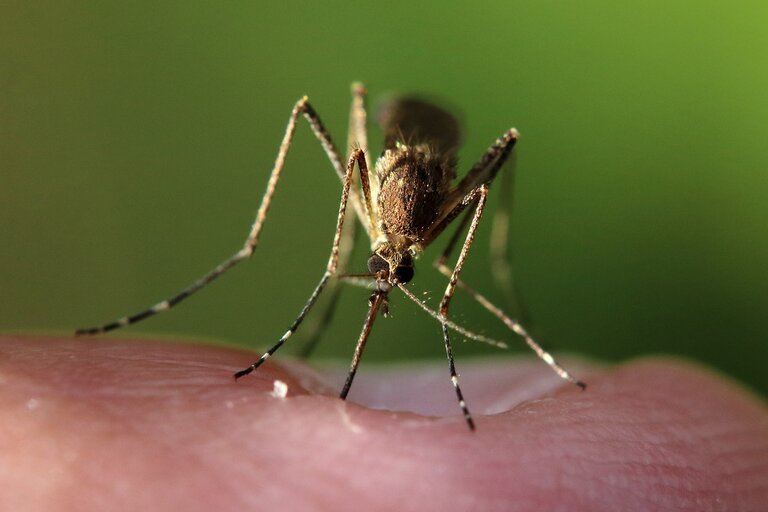
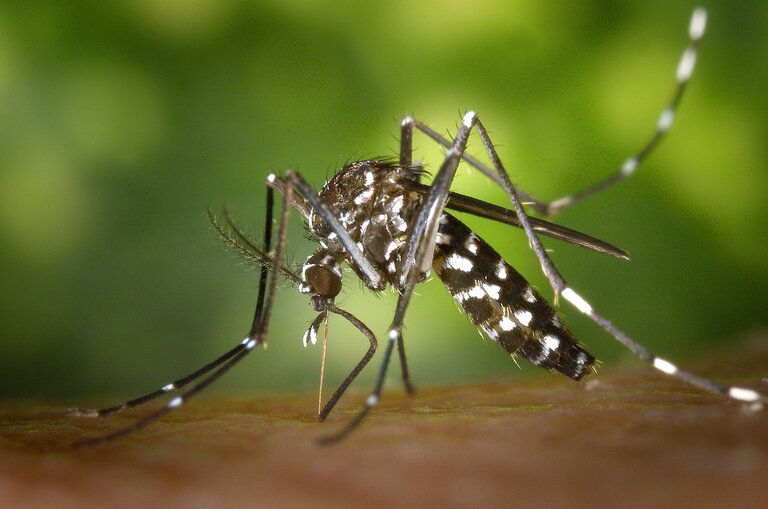
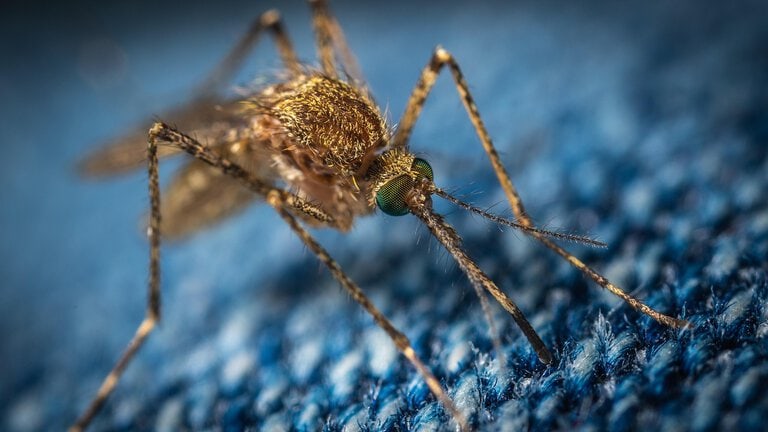
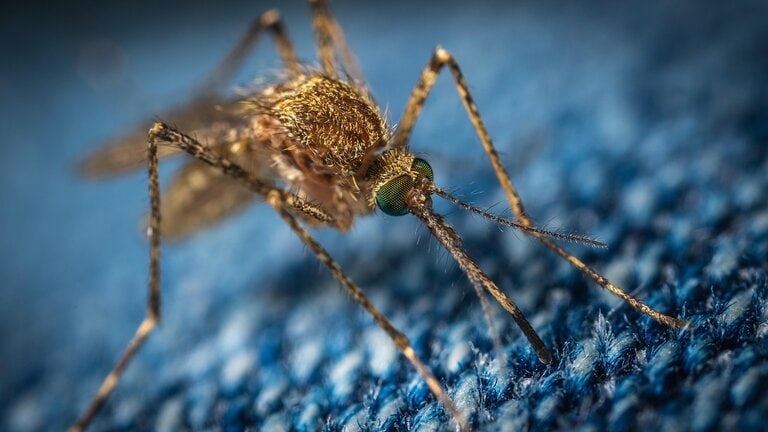
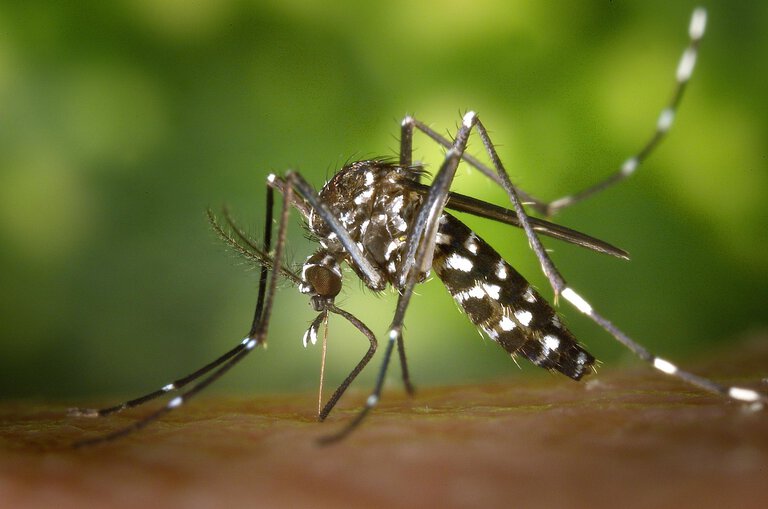
Conversely, pests requiring significantly warmer conditions, such as Mosquitoes like the common house mosquito (Culex pipiens), will find the 12.55°C temperature largely prohibitive for robust activity. According to the Public Health Agency of Canada, adult mosquito flight activity and significant feeding typically do not occur below 15°C. Therefore, at 12.55°C, adult mosquito populations will exhibit minimal activity, if any. Furthermore, the development of mosquito larvae in standing water would be severely slowed at this temperature, with studies from the University of California demonstrating that aquatic development can be protracted or even halted well below optimal temperatures of 20-28°C. While 66% humidity is suitable for adult mosquito survival by reducing desiccation, the dominant factor of the cool 12.55°C largely suppresses their presence and life cycle progression this week.
What to Do This Week in Port Stanley
As we glide into mid-March with temperatures around 12.55°C (55°F) and cloudy skies over Port Stanley, it’s a prime time for proactive pest prevention, even with a low bug risk this week. First, take a walk around your home’s exterior and interior to inspect for any small cracks or openings around window frames, door sweeps, and utility line entry points. While many pests are still waking up, these warmer, fluctuating temperatures mean overwintering insects like cluster flies, lady beetles, and even early ants might start seeking warmer indoor refuge. Sealing these entry points now prevents them from getting a foothold before the spring surge. Secondly, with 66% humidity and cloudy conditions, it’s easy for damp areas to linger. Check your basement, crawl spaces, and under sinks for any leaks or excessive moisture. Addressing these damp spots promptly is crucial, as moisture attracts various pests, including silverfish, centipedes, and even provides ideal conditions for potential termite activity.
For homes here in Port Stanley, especially those nestled near the Kettle Creek or Lake Erie bluffs, a crucial step this week is to thoroughly clean up any lingering winter debris around your foundation. Clear away leaf litter, branches, and any accumulated wood piles that provide excellent harborage for rodents and various insects that will soon become more active. Reducing these hiding spots now means fewer pests have a convenient place to settle in once spring truly blossoms. These proactive measures are fundamental for effective pest control Port Stanley Ontario, ensuring your property remains comfortable and pest-free throughout the coming seasons. Should you encounter any persistent issues, remember your local experts are always here to help.
Frequently Asked Questions about Pest Activity in Port Stanley
What common pests might Port Stanley residents encounter in early spring?
In early spring, Port Stanley residents might encounter overwintering pests like cluster flies or boxelder bugs emerging from hibernation. Rodents, such as mice, remain active seeking food and warmth. Ants may also start scouting indoors as temperatures fluctuate. It’s a period of low but potential activity.
When is the ideal time for proactive pest control in Port Stanley, Ontario?
The ideal time for proactive pest control in Port Stanley, Ontario, is early spring, before peak pest season. March is beneficial for sealing entry points and applying perimeter treatments against common invaders like ants, spiders, and rodents. This approach significantly reduces the likelihood of larger infestations later in the year.
Are homes in Port Stanley’s “The Village” area susceptible to unique pest issues?
Homes in Port Stanley’s “The Village” area, with its blend of older homes and proximity to the harbour, can be susceptible to mice and rats seeking shelter. Spiders are also common, especially in lakeside properties. Regular exterior sealing and landscape maintenance help mitigate these common urban-interface pests.
Given the low bug risk, should Port Stanley residents still consider pest prevention in March?
Absolutely. Even with a low bug risk in March, preventative measures are wise for Port Stanley residents. Early spring is crucial for addressing overwintering pests stirring and for identifying potential entry points before new populations emerge. Proactive steps now can save considerable trouble and expense later.
Protect Your Home in Port Stanley, Ontario
Don’t let local bug activity catch you off guard. Visit our local store to get expert advice and the right supplies for your specific location.