Bug Report: Ottawa, Ontario – 2026-03-18
This Forecast is Out of Date. Please visit https://justbiteme.com/regional-bug-bite-forecast for an updated forecast

Image: Pixabay
Pest Control Ottawa Ontario: What to Expect in This Chilly, Cloudy Week
As your trusted expert with 15 years of experience in Ontario, I’m here to provide an update on pest control Ottawa Ontario for the week of March 18, 2026. With temperatures hovering around 0.38°C and a damp 99% humidity under cloudy skies, the overall bug risk level remains low. This means that while some common indoor pests might still be seeking refuge, the biting insects and garden nuisances are largely inactive. For homeowners near the Rideau Canal or by the historic ByWard Market, this reprieve from outdoor pests is welcome, though it’s always wise to ensure your home is sealed against opportunistic overwintering pests. Our region’s humid continental climate often brings a late start to spring, keeping many outdoor pests at bay for now.
This Week’s Weather and What It Means for Bugs
This week’s measured conditions in Ottawa, with a temperature of 0.38°C (33°F) and 99% humidity under cloudy skies, signify deep winter for most pest species. The near-freezing temperature is the primary driver, pushing nearly all cold-intolerant insects into a state of dormancy (diapause) or forcing them to seek shelter indoors. According to leading entomological research, temperatures consistently below 5-10°C (41-50°F) significantly reduce or completely halt insect metabolic activity, a crucial survival mechanism during cold periods. The extremely high 99% humidity, while not directly promoting outdoor activity at such low temperatures, contributes to overall moisture levels, which can be a factor for indoor pests and influences the environment for overwintering species.
For common household invaders like Brown Marmorated Stink Bugs (Halyomorpha halys) and Cluster Flies (Pollenia rudis), the 0.38°C temperature ensures they remain deep within wall voids, attics, and other sheltered indoor spaces, where they are largely inactive. This temperature is well below their activity thresholds, maintaining their state of torpor until sustained warmer temperatures arrive. Entomological studies show that overwintering insects reduce metabolic rates by up to 90% or more in response to cold. Conversely, indoor pests such as Silverfish (Lepisma saccharina) find the high 99% ambient humidity particularly favorable. While outdoor populations would be inactive, this high moisture content can infiltrate homes, creating ideal microclimates in basements, bathrooms, and other damp areas. Research from urban entomology programs indicates that relative humidity above 75% is critical for silverfish development and prevents desiccation, thus supporting robust indoor populations even as outdoor activity ceases due to the cold.
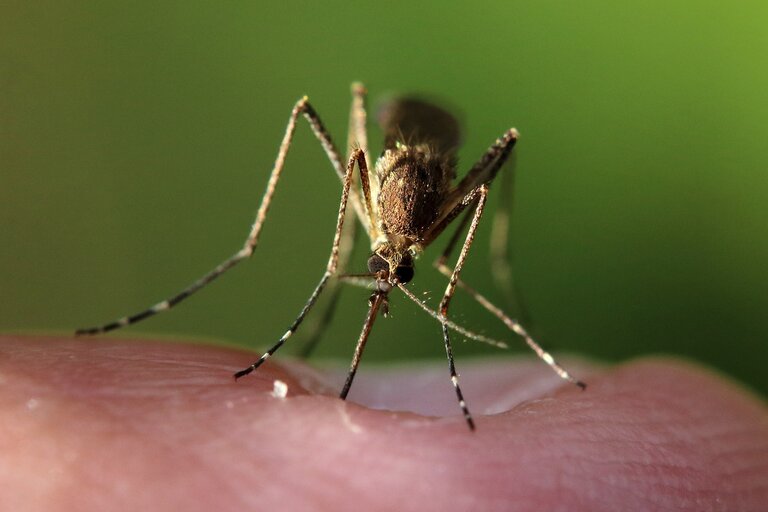
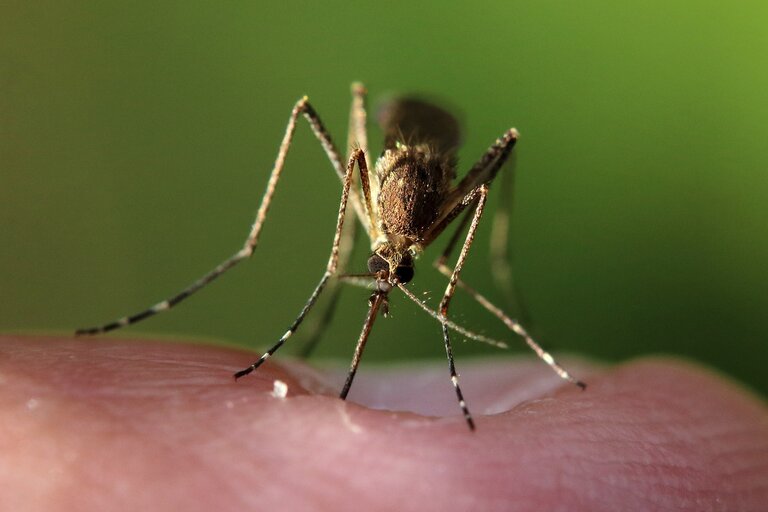
Outdoor insect activity, including that of notorious pests like mosquitoes (e.g., Culex pipiens or Aedes vexans), is entirely shut down by the 0.38°C (33°F) temperature. This is far below the threshold required for flight, foraging, or any developmental activity for adult mosquitoes. According to studies on insect physiology, most mosquito species cannot survive exposure to freezing temperatures, and their eggs, larvae, or pupae either enter a dormant state or perish if frozen solid. The 99% humidity, in this context, mostly translates to frozen precipitation or extremely saturated air near freezing point, offering no benefit to outdoor mosquito populations whose life cycles are arrested until significantly warmer spring conditions prevail.
What to Do This Week in Ottawa
Hey Ottawa neighbours! This week, with temperatures hovering just above freezing and that thick 99% humidity, we’re in a bit of a tricky spot for early spring pest prevention. While the bug risk is low, these conditions are a red carpet for moisture-loving pests and a great opportunity for rodents to find warmth. First off, tackle that humidity indoors! Check your basement, bathrooms, and utility rooms for any condensation, drips, or small leaks. Consider running a dehumidifier, especially in cooler, damp areas. High humidity creates an ideal environment for silverfish, centipedes, and even mould mites, which can become a nuisance once things warm up. Secondly, now is the perfect time for a thorough exterior inspection of your home’s foundation and around windows and doors. Many older Ottawa homes, with their beautiful but sometimes aging masonry or window frames, can develop tiny cracks or gaps. Sealing these openings – think weatherstripping, caulk, or steel wool for larger voids – is your best defense against mice and other critters looking for a warm, dry refuge from the fluctuating temperatures.
Finally, don’t forget your gutters and downspouts! With the recent melting snow and high humidity, clogged gutters can lead to water pooling near your foundation, which invites moisture into your basement and crawl space – a prime attractant for pests. Ensure they’re clear and that downspouts direct water well away from your home. Taking these proactive steps now can save you headaches later. For comprehensive prevention advice tailored to our unique climate here, remembering the importance of effective pest control Ottawa Ontario homeowners rely on, is key to a pest-free spring!
Frequently Asked Questions about Pest Activity in Ottawa
What common pests might Ottawa residents encounter in mid-March?
Mid-March in Ottawa typically sees low pest activity. However, overwintering pests like cluster flies or lady beetles might emerge on warmer days. Rodents, such as mice, could still be seeking indoor warmth and food sources. Ant colonies might become slightly more active as ground temperatures rise, but widespread infestations are uncommon this early.
When should I consider professional pest control in Ottawa for early spring issues?
Even with low bug risk, early detection is key. If you notice persistent signs of rodents, carpenter ants, or bed bugs in your home, acting quickly is advisable. For accurate identification or effective eradication of recurring problems, contacting a professional for pest control Ottawa Ontario is highly recommended to prevent escalating infestations later in the season.
Are there specific pest concerns for residents in the Glebe area of Ottawa?
In established Ottawa neighborhoods like the Glebe, with older homes and mature trees, residents should be particularly vigilant about rodents and carpenter ants. While mid-March activity is low, ensure foundations are sealed. Proximity to parks can also increase potential for wildlife intrusion. Regular inspections are beneficial for these urban areas.
What preventative steps can Ottawa homeowners take against pests in early spring?
Ottawa homeowners should focus on sealing entry points as early spring approaches. Inspect foundations, windows, and utility line entry points for cracks. Ensure proper drainage to reduce moisture, and keep outdoor areas free of debris. Storing food in airtight containers and maintaining cleanliness also significantly reduces attraction for various indoor pests.
What should I do if I discover rodents in my Ottawa home during the late winter/early spring?
If you discover rodents in your Ottawa home in late winter or early spring, immediate action is crucial. Set traps, remove accessible food sources, and identify and seal all potential entry points. While the overall bug risk is low, rodents can pose health risks and cause damage. For persistent or widespread infestations, professional assistance is recommended.
Protect Your Home in Ottawa, Ontario
Don’t let local bug activity catch you off guard. Visit our local store to get expert advice and the right supplies for your specific location.