Bug Report: Niagara Falls, Ontario – 2026-03-18
This Forecast is Out of Date. Please visit https://justbiteme.com/regional-bug-bite-forecast for an updated forecast

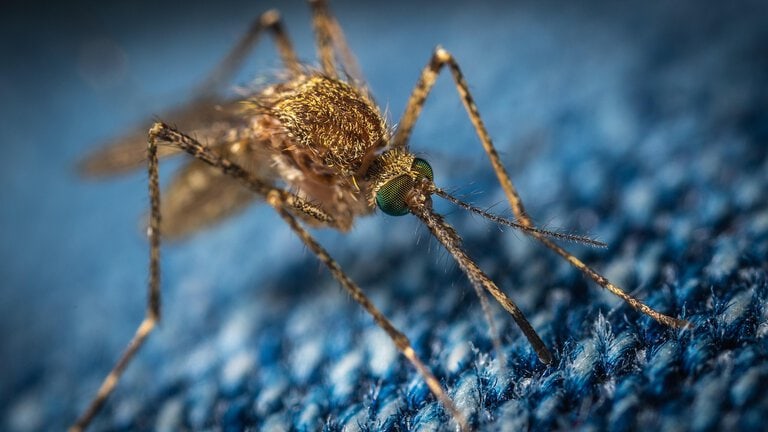
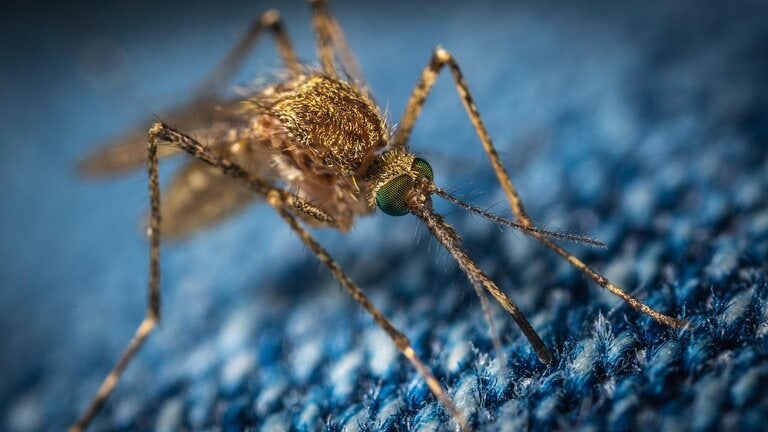
Image: Pixabay
Pest Control Niagara Falls Ontario: Winter’s Snowy Embrace on March 18th
Welcome back, Niagara Falls homeowners! As your trusted local pest control expert with 15 years of experience tackling Ontario’s unique pest challenges, I’m here with your weekly update for March 18th. This week, winter is definitely still making its presence known. With temperatures hovering around -4.32°C (24°F) and fresh snow blanketing the region, many might think about pest control Niagara Falls Ontario as a distant thought. However, understanding what pests are doing now helps prevent problems later.
While you might be enjoying a walk along the Niagara Parkway, admiring the snow-dusted Horseshoe Falls, or perhaps even gearing up for a last visit to the Indoor Waterpark before spring, most outdoor pests are in deep hibernation or diapause. Even the robust German cockroaches, often a concern in restaurant kitchens down on Clifton Hill, will be staying well indoors, hunkering down wherever warmth and food are available. This brings us to our bug risk level for the week: Low. For homeowners across Niagara Falls, this means active pest encounters are minimal. Most common outdoor nuisances like mosquitoes, ticks, and even larger wildlife are largely inactive, a crucial period in our humid continental climate for naturally reducing future pest populations.
This Week’s Weather and What It Means for Bugs
The biting cold in Niagara Falls this week, with temperatures plummeting to -4.32°C (24°F) and consistent snow, signals a critical period for many insect pests. For the vast majority of arthropods, these sub-freezing conditions are a clear directive: seek shelter or face dire consequences. According to entomological research from the University of Guelph, most ectothermic insects cannot maintain metabolic activity at temperatures consistently below 0°C (32°F) and will enter a state of diapause, a dormant phase, or perish. The combination of -4.32°C and snow coverage means that outdoor activity for pests like the Boxelder Bug (Boisea trivittata) and Brown Marmorated Stink Bug (Halyomorpha halys) has ceased entirely. These nuisance pests are actively seeking overwintering sites inside warm, protected structures, often congregating on sun-warmed exterior walls before finding entry points. The 73% humidity, while not directly impacting active outdoor insects due to the freezing temperatures, contributes to the snow accumulation, which can insulate ground-dwelling pests but also signal severe outdoor conditions driving pests indoors.
Similarly, Carpenter Ants (Camponotus spp.) in outdoor colonies will be deep in diapause, with no foraging activity observed at -4.32°C. However, these conditions can paradoxically increase the risk of indoor infestations. The cold temperatures drive colonies already established within homes to become more active as they seek resources in the warmer environment. Furthermore, the 73% humidity combined with snow can lead to increased moisture intrusion or condensation within structures. Research from Cornell University highlights that carpenter ants are highly attracted to moist, decaying wood for nesting, and elevated indoor humidity from melting snow or trapped moisture can create ideal conditions for these pests to expand or initiate new galleries within your home’s framework.
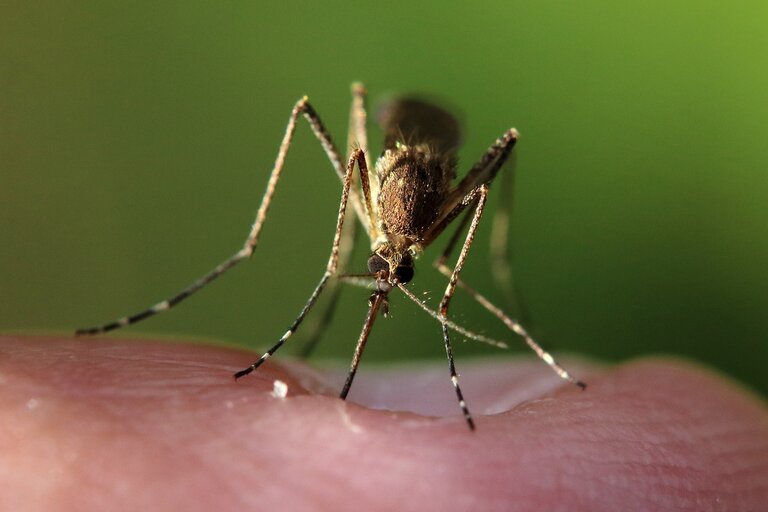
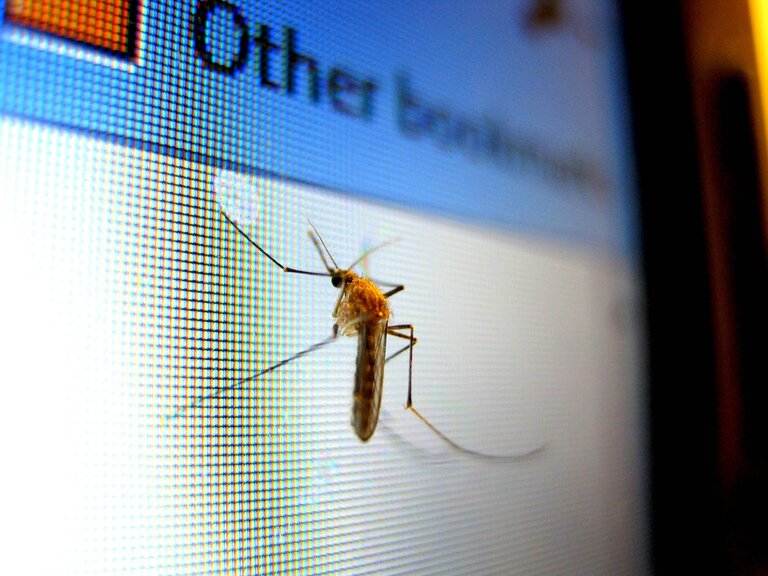
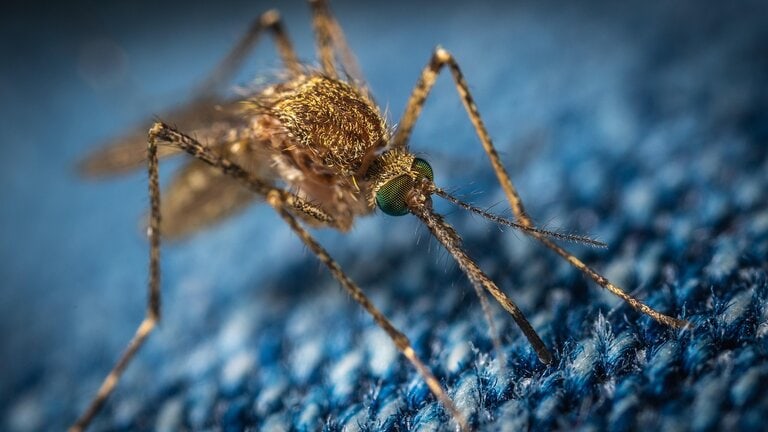
Finally, the severe cold of -4.32°C effectively halts all life stages of Mosquitoes (e.g., Culex pipiens) in exposed environments. Active adults cannot survive these temperatures, and any eggs or larvae present in standing water would be frozen solid. The 73% humidity, despite being high, does not mitigate the lethal effect of freezing. As noted by scientists at the University of Toronto, while some mosquito species overwinter as cold-hardy eggs or as diapausing adults in sheltered, humid environments like culverts or basements, there is absolutely no risk of active mosquito biting activity outdoors when temperatures are at 24°F (-4.32°C) and below. This week’s weather ensures a complete cessation of their outdoor life cycle.
What to Do This Week in Niagara Falls
With the current conditions of cold temperatures and snow, pests are actively seeking warmth and shelter indoors. This week, we recommend homeowners in Niagara Falls focus on exterior integrity and proactive inspections. First, take a careful look at your home’s exterior foundation, especially around utility line entry points, dryer vents, and any older basement windows or stone foundations. The cold drives rodents and insects inside, and even a small gap can be an open invitation. Sealing these potential entry points now is crucial, particularly for many of our charming, historic Niagara Falls homes which might have older or less uniform foundations that can develop subtle cracks over time.
Secondly, gently clear any heavy snow accumulation away from your foundation walls and basement windows. While snow can seem insulating, deep piles can actually create hidden bridges, allowing rodents to bypass lower defenses and access higher entry points like small cracks in siding or window frames. Finally, take a quick scan of less-frequented indoor areas like your attic, basement, and utility closets for any subtle signs of activity – droppings, gnaw marks, or even tiny nests. Pests already inside will be hunkering down during this cold snap, and catching signs early is key to preventing a larger issue. Remember, a little proactive pest control Niagara Falls Ontario goes a long way in keeping your home cozy and critter-free.
Frequently Asked Questions about Pest Activity in Niagara Falls
What common pests should residents of Niagara Falls be aware of in early spring?
In early spring (March), pest activity in Niagara Falls is generally low. However, overwintering pests like cluster flies or lady beetles might emerge indoors on warmer days. Rodents, seeking shelter from residual cold, could also be active. Professional pest control Niagara Falls Ontario can provide seasonal inspections to identify potential issues early.
Are there particular pest concerns for homes near the Niagara River Parkway area?
Properties near the Niagara River Parkway might experience increased moisture-related pests like centipedes or millipedes as spring approaches. While not a high risk in March, proximity to natural areas can also attract occasional rodents or spiders seeking warmth. Regular home sealing and monitoring are advisable for residents in this area.
What steps can Niagara Falls homeowners take to prevent pests from becoming a problem this spring?
To prevent spring pests, seal cracks around foundations and windows, ensure proper drainage, and clear yard debris. Store food in airtight containers and regularly empty trash. If you notice signs of emerging pests, contacting a local service for pest control Niagara Falls Ontario can help address issues before they escalate.
When does pest activity typically increase in Niagara Falls and what should residents prepare for?
Pest activity in Niagara Falls typically increases as temperatures consistently rise in late spring and summer. Residents should prepare for more active ants, mosquitoes, and various outdoor insects from May onwards. Early spring is an ideal time for preventative measures and inspections before the peak pest season.
Protect Your Home in Niagara Falls, Ontario
Don’t let local bug activity catch you off guard. Visit our local store to get expert advice and the right supplies for your specific location.