Bug Report: Nappanee, Indiana – 2026-03-17
This Forecast is Out of Date. Please visit https://justbiteme.com/regional-bug-bite-forecast for an updated forecast

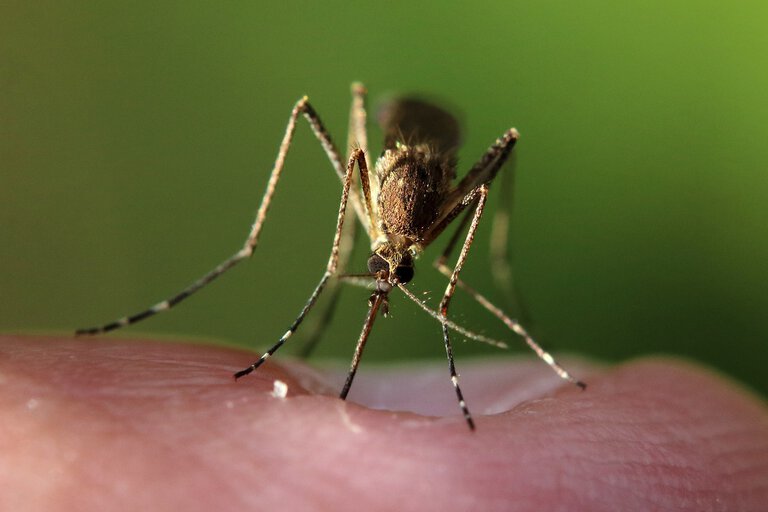
Image: Pixabay
Pest Control Nappanee Indiana: A Low-Risk Week Amidst March Snow
Welcome back to your trusted source for pest control Nappanee Indiana insights! This week, as snow blankets the fields surrounding places like The Barns at Nappanee and the thermometer hovers around 35°F with 90% humidity, our local bug risk level remains refreshingly Low. For homeowners across our distinctly Midwestern climate, this means most outdoor pests are in a deep dormancy, huddling for warmth or simply not active, giving you a quiet reprieve from immediate infestations. However, it’s still a crucial time to remember that while outdoor activity is minimal, some pests are very much seeking refuge indoors.
This Week’s Weather and What It Means for Bugs
Nappanee is experiencing classic winter conditions, with this week’s measured temperature of 1.82°C (35°F), 90% humidity, and snow cover. These specific environmental factors have a profound impact on local pest biology, primarily driving most insect activity to a near standstill outdoors while simultaneously increasing the pressure for pests to seek indoor refuge.
The consistent temperature of 1.82°C (35°F) is well below the physiological activity threshold for the vast majority of insects in Indiana. For common overwintering nuisance pests like the Brown Marmorated Stink Bug (Halyomorpha halys) and the Asian Lady Beetle (Harmonia axyridis), these conditions mean they are firmly in diapause—a state of arrested development—or actively seeking, or already established within, protected indoor overwintering sites. According to research from Purdue University’s Entomology Department, temperatures consistently below 10°C (50°F) trigger overwintering behaviors in these species, making the current 1.82°C (35°F) critical for their survival as they seek shelter from lethal freezing temperatures. The accompanying snow cover further reinforces this drive, making outdoor foraging or movement impossible and insulating homes, which become attractive warm havens.
Furthermore, the 90% humidity, coupled with the snow and near-freezing temperatures, creates an inhospitable exterior environment. While high humidity might offer a slight benefit by reducing desiccation for insects already ensconced in sheltered, dormant states, its primary effect at 1.82°C (35°F) is to exacerbate the cold and wet conditions that most pests actively avoid. For other common nuisances such as rodents, the combination of 1.82°C (35°F) and snow significantly increases their urgency to enter structures. Studies from the Indiana Department of Natural Resources indicate that cold, wet conditions like those currently observed drive small mammals indoors in search of warmth and food. Consequently, while outdoor insect activity is minimal, these specific conditions are precisely what contribute to an increased likelihood of finding overwintering insects and rodents seeking harborage inside your Nappanee home.
What to Do This Week in Nappanee
Even with the low bug risk this week, those chilly 35°F temperatures and fresh snow mean pests are actively looking for a warm, dry place to hunker down. Take a few minutes to inspect around window frames, door sweeps, and where utility lines enter your home. A bit of caulk or weatherstripping now can prevent a big headache later, keeping out overwintering insects and even tiny rodents seeking shelter. Additionally, with 90% humidity outside and melting snow, make sure you’re not inviting moisture-loving pests indoors. Check under sinks for leaks, ensure your basement or crawl space isn’t unusually damp, and fix any drips promptly. Pests like silverfish, centipedes, and even some ants are drawn to excess moisture, making your home their perfect hideaway.
For many Nappanee homes, especially some of our beautiful older properties, the foundation and crawl space are often overlooked entry points. This week, while the ground is frozen but accessible, take a peek around your foundation for any cracks or openings. If you have a crawl space, ensure the access points are sealed and check for any signs of animal activity. Rodents and other critters will definitely try to exploit these areas to escape the snow and cold. Staying proactive with these simple steps is key to effective pest control Nappanee Indiana. If you do spot any unwelcome guests despite your efforts, don’t hesitate to give your local technician a call.
Frequently Asked Questions about Pest Activity in Nappanee
What common pests should Nappanee residents watch for as spring approaches in March?
As temperatures fluctuate in Nappanee this March, overwintering pests like Asian lady beetles, box elder bugs, and cluster flies may become active. They often emerge from wall voids on warmer days. Rodents might also seek food indoors before new outdoor food sources are abundant. Monitor for their presence around windows and attics.
When is the ideal time for proactive pest control in Nappanee, Indiana, to prevent spring infestations?
Proactive **pest control Nappanee Indiana** is best performed in early spring before pests fully emerge and reproduce. Treating exterior perimeters and sealing entry points in March can significantly reduce future infestations of ants, spiders, and overwintering insects seeking entry. Regular inspections help maintain a pest-free home year-round.
Are homes near the Pumpkinvine Nature Trail in Nappanee more susceptible to certain pests?
Homes bordering natural areas like the Pumpkinvine Nature Trail might experience increased activity from rodents, spiders, and occasional wildlife. These areas provide ample habitat and food sources. Ensuring proper sealing of foundations and attics is crucial to prevent these creatures from seeking shelter indoors, especially during colder periods or heavy rains.
What signs indicate potential termite or carpenter ant activity in Nappanee homes this time of year?
In Nappanee, look for discarded wings, mud tubes on foundations, or damaged wood that sounds hollow for termites. Carpenter ants leave behind frass (sawdust-like material) and create smooth tunnels. While widespread swarming is more common later, early signs can appear now. Prompt inspection is vital for effective treatment.
What DIY steps can Nappanee residents take to reduce pest risks around their homes?
Nappanee homeowners can reduce pest risks by sealing cracks in foundations, ensuring screens are intact, and trimming vegetation away from the house. Store firewood away from the home and keep gutters clean. Eliminating standing water and promptly addressing food spills also deters many common insects and rodents.
Protect Your Home in Nappanee, Indiana
Don’t let local bug activity catch you off guard. Visit our local store to get expert advice and the right supplies for your specific location.