Bug Report: Markham, Ontario – 2026-03-18
This Forecast is Out of Date. Please visit https://justbiteme.com/regional-bug-bite-forecast for an updated forecast

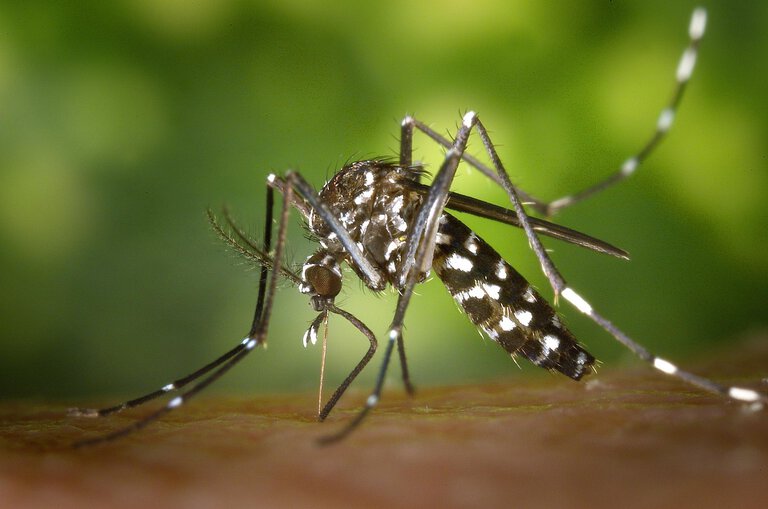
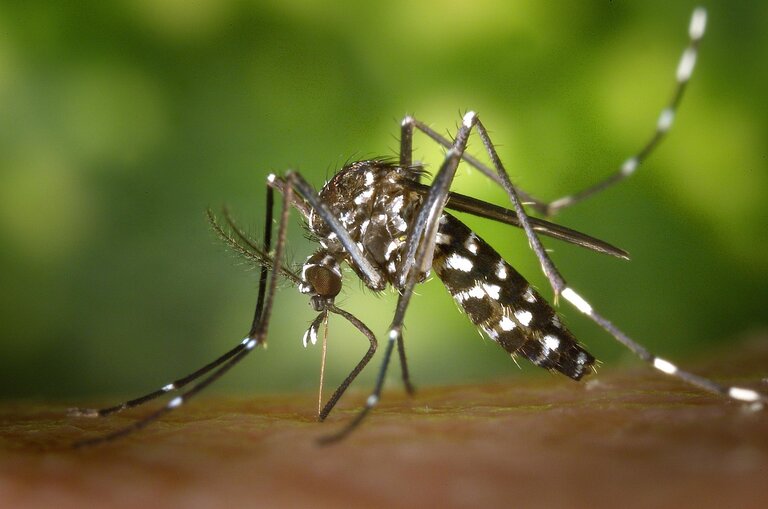
Image: Pixabay
Your Weekly Pest Control Markham Ontario Update: Chilly Clouds Keep Critters Quiet (March 18, 2026)
Welcome back to your weekly update on pest control Markham Ontario! As we navigate another chilly week with temperatures around -4.75°C (23°F) and thick clouds, winter’s grip clearly isn’t ready to release its hold. For Markham residents, from bustling Unionville Main Street to quiet streets near Angus Glen, this weather means good news for outdoor pests: our overall bug risk level remains Low. Most outdoor pests are dormant, seeking deep shelter, or much less active, limiting their immediate threat to your home. Our region’s humid continental climate typically prepares us for these fluctuations, keeping many creepy crawlies out of sight for now.
This Week’s Weather and What It Means for Bugs
This week’s frigid temperature of -4.75°C (23°F) across Markham presents a significant challenge for most outdoor insect activity. At such low temperatures, nearly all insect metabolism slows drastically, forcing them into overwintering strategies like diapause (a state of arrested development) or death for less resilient species. For nuisance pests like the Brown Marmorated Stink Bug (Halyomorpha halys) and Cluster Fly (Pollenia rudis), this specific temperature is a critical trigger. According to research from Virginia Tech University, temperatures consistently below 10°C (50°F), and especially at -4.75°C, compel these pests to seek warmth and shelter, often aggregating in the walls, attics, or basements of Markham homes. They enter a dormant state, minimizing energy expenditure, patiently awaiting warmer spring conditions to emerge.
The accompanying 75% humidity, while less impactful on active outdoor insects due to the extreme cold, plays a subtle yet crucial role in pest survival, particularly for those already indoors or in sheltered overwintering sites. For strictly indoor pests such as the German Cockroach (Blattella germanica), the -4.75°C outdoor temperature completely eliminates any possibility of outdoor survival, reinforcing their reliance on heated structures. Inside homes where temperatures are stable, an indoor humidity level around 75% (which can occur in kitchens, bathrooms, or basements) is highly favorable. As noted by entomology experts at the University of Florida, German cockroaches thrive in environments with 70-80% relative humidity, where they can maintain water balance and reproduce efficiently. Similarly, for overwintering pests like the Box Elder Bug (Boisea trivittata) in sheltered outdoor nooks or unheated garages, the 75% humidity can help reduce desiccation during their dormant period, as excessive dryness can be detrimental to insect survival during diapause, according to studies on insect cold hardiness from the University of Minnesota.
What to Do This Week in Markham
Even with the low bug risk this week, the frosty -4.75°C (23°F) temperatures and cloudy skies in Markham mean one thing for pests: they’re actively seeking warmth indoors. Your first line of defense should be a thorough inspection of your home’s exterior and interior for any potential entry points. Pay close attention to gaps around windows, doors, utility pipes, and foundation cracks. Sealing these tiny openings with weatherstripping or caulk is crucial now, as small rodents like mice and overwintering insects such as boxelder bugs or cluster flies are desperately looking for a cozy spot to escape the cold. Many homes in Markham, both older and newer builds, can develop these gaps over time, making regular checks essential for preventing unwanted winter guests.
Next, turn your attention to areas prone to moisture. While the cold limits outdoor bug activity, the 75% humidity, combined with cold outdoor temperatures, can exacerbate indoor condensation or reveal existing leaks in basements and attics. Addressing any dampness now, whether it’s a leaky pipe or poor ventilation, removes a key attractant for pests like silverfish, certain types of ants (though dormant, they love damp wood), and even rodents seeking water. Finally, don’t forget to clear any clutter or debris from around your home’s perimeter, especially near foundation walls. Woodpiles, leaf litter, or old planters can offer convenient shelter for pests trying to overwinter or even attract early spring arrivals. By taking these proactive steps, you’re not just preparing for the thaw; you’re ensuring effective pest control Markham Ontario residents can count on, keeping your home comfortable and pest-free all year round.
Frequently Asked Questions about Pest Activity in Markham
What common pests should Markham residents watch out for as spring approaches?
As March progresses in Markham, residents should typically monitor for occasional invaders like spiders and cluster flies waking from dormancy. While the overall bug risk is low this week, early signs of ants emerging indoors or mice seeking warmth are also possible. Maintaining a tidy home and sealing minor entry points helps prevent these common spring pests.
Are there specific pest concerns for homes in Markham’s Unionville area?
Unionville, with its mature trees and proximity to green spaces, can experience pests like carpenter ants, especially in older homes with wood structures. Raccoons and squirrels are also common urban wildlife pests due to available food sources and nesting opportunities in attics. Regular home maintenance and securing garbage bins are crucial in these scenic neighborhoods.
When should Markham residents consider professional pest control services?
Markham residents should consider professional pest control services if they notice persistent pest activity, signs of damage, or large infestations. Proactive annual inspections are also beneficial, especially before peak pest seasons, to identify and address potential vulnerabilities. For effective and lasting solutions, contacting a local expert for pest control Markham Ontario is advisable.
What are common indoor pests in Markham homes during late March?
In late March, Markham homes might encounter pantry pests like Indian meal moths or tiny ants foraging for food as temperatures fluctuate. Overwintering pests such as ladybugs or boxelder bugs might also become more active indoors before moving outside. Ensuring food is sealed and crumbs are cleaned helps minimize these common household nuisances.
Protect Your Home in Markham, Ontario
Don’t let local bug activity catch you off guard. Visit our local store to get expert advice and the right supplies for your specific location.