Bug Report: Hamilton, Ontario – 2026-03-17
This Forecast is Out of Date. Please visit https://justbiteme.com/regional-bug-bite-forecast for an updated forecast

Image: Pixabay
Pest Control Hamilton Ontario: Navigating Our Chilly -7°C Cloudy Week
As we move through the week of March 17, 2026, with our Hamilton skies cloudy, temperatures at a brisk -7°C, and 76% humidity, it’s a unique time for pest control Hamilton Ontario. While many residents might be enjoying the quiet of a wintry walk along the waterfront or planning spring activities, the cold snap means outdoor insect activity is significantly reduced. For homeowners across Stoney Creek to Ancaster, the bug risk level is thankfully low this week. This indicates most pests are inactive or deeply sheltered, minimizing immediate threats, a typical pattern for our region’s humid continental climate.
This Week’s Weather and What It Means for Bugs
This week in Hamilton, the frigid temperature of -7.31°C (19°F), coupled with 76% humidity and cloudy skies, signals a significant slowdown in outdoor insect activity. At these sub-freezing temperatures, most ectothermic pests enter a state of torpor or diapause, a period of suspended development, to survive. According to entomological research from the University of Guelph, prolonged exposure to temperatures this low is lethal for many insect species if they are not adequately protected or have not developed physiological cold hardiness. The 76% humidity, while not the primary driver at such cold temperatures, can contribute to the microclimates within sheltered overwintering sites, potentially influencing the survival rates of certain species by preventing desiccation.
One common Hamilton pest directly impacted by these conditions is the Brown Marmorated Stink Bug (BMSB), Halyomorpha halys. The sharp drop to -7.31°C actively triggers these nuisance pests to seek warmth, driving them indoors where they can aggregate in wall voids, attics, and other protected spaces. Research from Michigan State University indicates that BMSB cannot tolerate sustained freezing temperatures and their survival rate plummets without shelter, making your home an attractive refuge during this cold snap. Similarly, Cluster Flies (Pollenia rudis) are also highly susceptible to the -7.31°C cold. These flies, which typically parasitize earthworms, abandon outdoor life entirely at such low temperatures, moving into structural gaps and rooflines of homes to overwinter, often becoming a visible nuisance on warmer, sunny winter days.
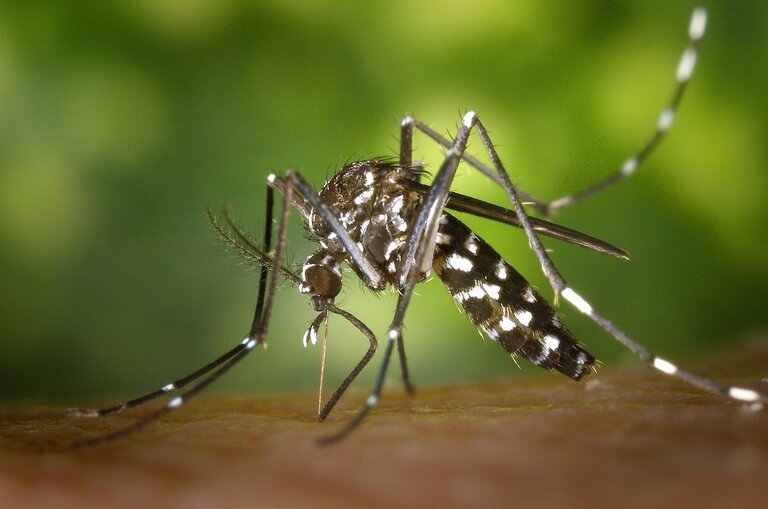
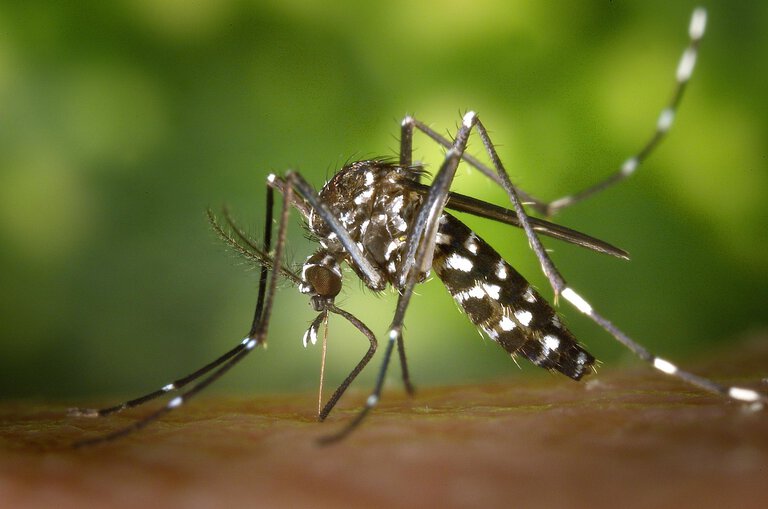
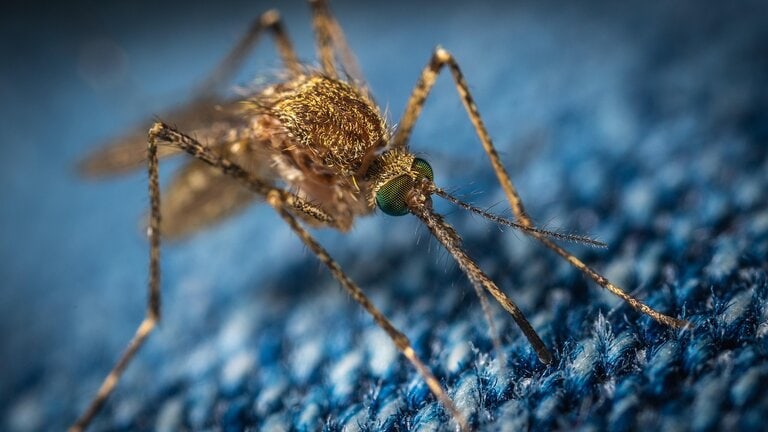
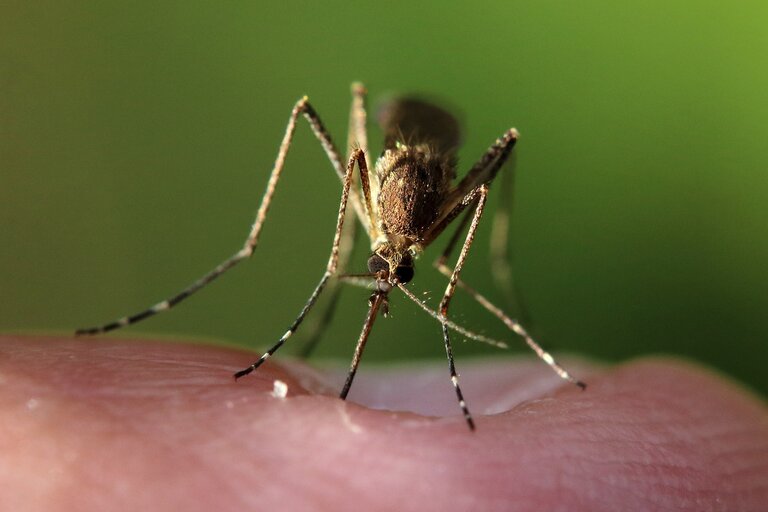
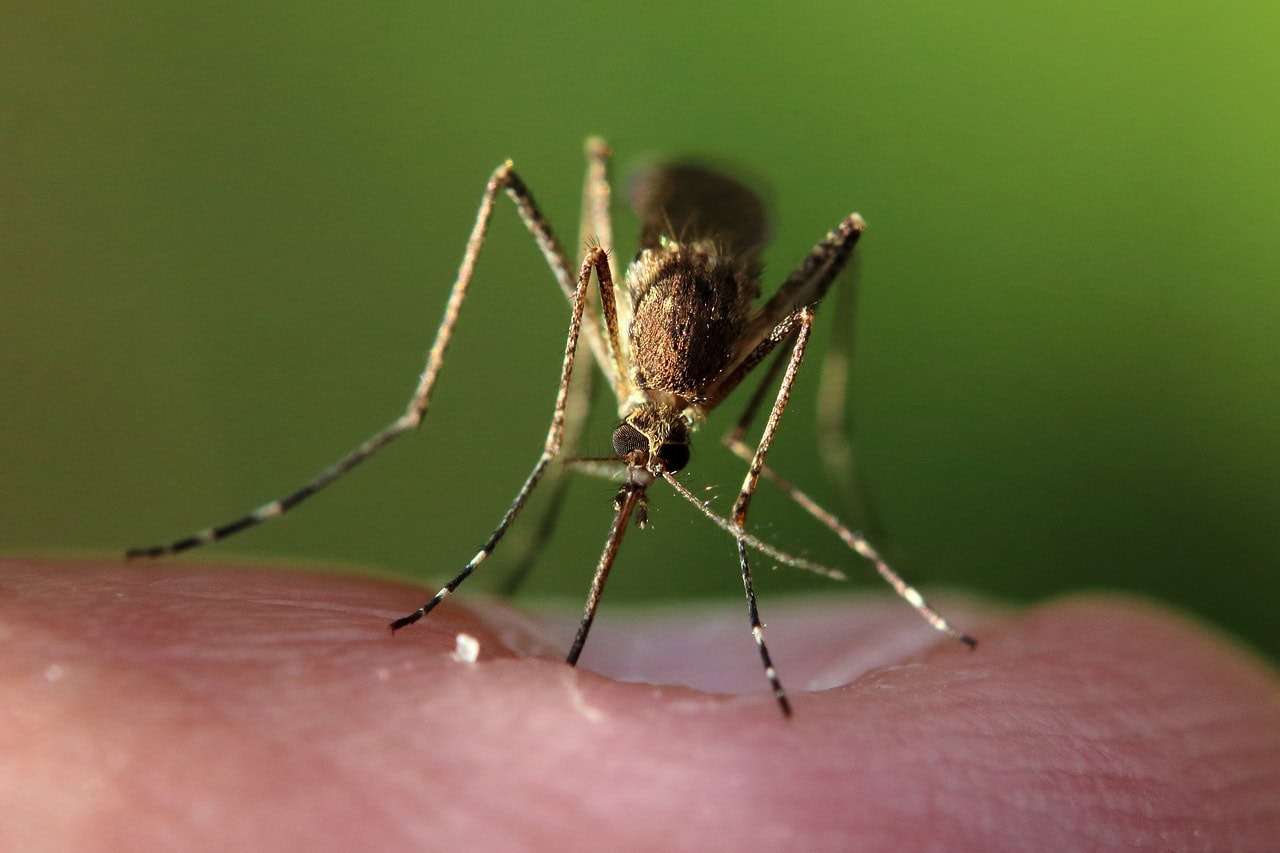
Another pest that adapts to these cold conditions is the Northern House Mosquito (Culex pipiens). While active mosquito populations are nonexistent at -7.31°C, adult female Culex pipiens can overwinter in a state of diapause in sheltered, non-freezing environments such as basements, culverts, or even storm sewers. According to studies from Cornell University, successful overwintering depends on finding stable, humid microclimates where temperatures remain above freezing, or at least avoid lethal deep freezes. The 76% humidity we measured, even outdoors, indicates that available moisture might assist these overwintering adults in maintaining their body moisture balance within their sheltered refuges, reducing desiccation risk and ensuring they are ready to emerge when spring arrives. Therefore, while outdoor pest activity is minimal, these specific conditions underscore the ongoing indoor presence and survival strategies of many common pests.
What to Do This Week in Hamilton
Hey Hamilton neighbours! With temperatures still dipping to a chilly -7°C and cloud cover hanging around this week, our local pests aren’t exactly out and about in droves, but they’re definitely still looking for a warm, dry place to hunker down. This is the perfect time to get ahead of the game! First off, take a stroll around the exterior of your home, paying close attention to any cracks or gaps, especially around utility lines, window frames, and foundation. Sealing these entry points now with good quality caulk or weatherstripping prevents mice, spiders, and even overwintering insects from finding a cozy spot inside your walls as they seek refuge from the cold. Many classic Hamilton homes, with their charming, older foundations, are particularly susceptible to these tiny breaches.
Secondly, don’t let that 76% humidity catch you off guard inside. Head down to your basement or up to your attic – common areas in many Hamilton homes – and check for any signs of leaks or excessive moisture, especially around pipes, vents, and foundation walls. Addressing these moisture issues now is crucial, as damp conditions can attract pests like silverfish, mould mites, and even carpenter ants down the line, even if it’s too cold for them to be highly active right now. Finally, ensure the immediate perimeter of your home is free of any leaf litter, wood piles, or debris that could provide harborage right against your foundation. Keeping these areas clear makes your home less appealing and helps any future pest control Hamilton Ontario efforts be even more effective, ensuring your home stays comfortable and pest-free as we await spring.
Frequently Asked Questions about Pest Activity in Hamilton
What common pests might Hamilton residents encounter in early spring?
In early March, Hamilton residents might start seeing overwintering pests like spiders, cluster flies, and rodents becoming more active. As temperatures fluctuate, they may emerge from hibernation or seek new food sources. Moisture-seeking pests could also become noticeable as snow melts and ground thaws, indicating early signs of spring pest movement.
Are specific Hamilton neighborhoods, like Dundas or Stoney Creek, more susceptible to certain pests?
Yes, geographic features influence pest activity. Dundas, with its proximity to the escarpment and wooded areas, might see more wildlife intrusions or carpenter ants. Stoney Creek, being closer to the lake and agricultural zones, could experience increased rodent or moisture-related insect issues. Local terrain and vegetation often dictate specific pest challenges.
What preventative pest control measures should Hamilton homeowners consider in early spring?
Even with low bug risk in March, early prevention is key. Hamilton homeowners should inspect foundations for cracks, seal entry points, and ensure proper drainage around the home. Clearing yard debris and checking screens helps deter pests seeking shelter. For persistent issues, professional pest control Hamilton Ontario services can offer tailored assessments and solutions.
How does Hamilton’s fluctuating early spring weather affect pest behavior?
Hamilton’s early spring often brings fluctuating temperatures and increased moisture. This can cause pests like rodents, spiders, and even ants to seek warmer, drier indoor shelter after colder nights or during periods of rain. Mild days can prompt early emergence, making them visible sooner than expected. Monitoring these changes helps predict pest activity.
Protect Your Home in Hamilton, Ontario
Don’t let local bug activity catch you off guard. Visit our local store to get expert advice and the right supplies for your specific location.