Bug Report: Gladstone, Manitoba – 2026-03-18
This Forecast is Out of Date. Please visit https://justbiteme.com/regional-bug-bite-forecast for an updated forecast

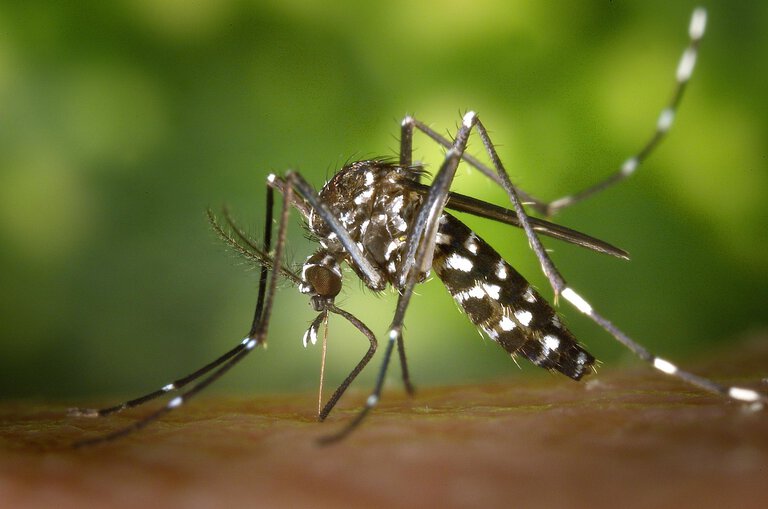
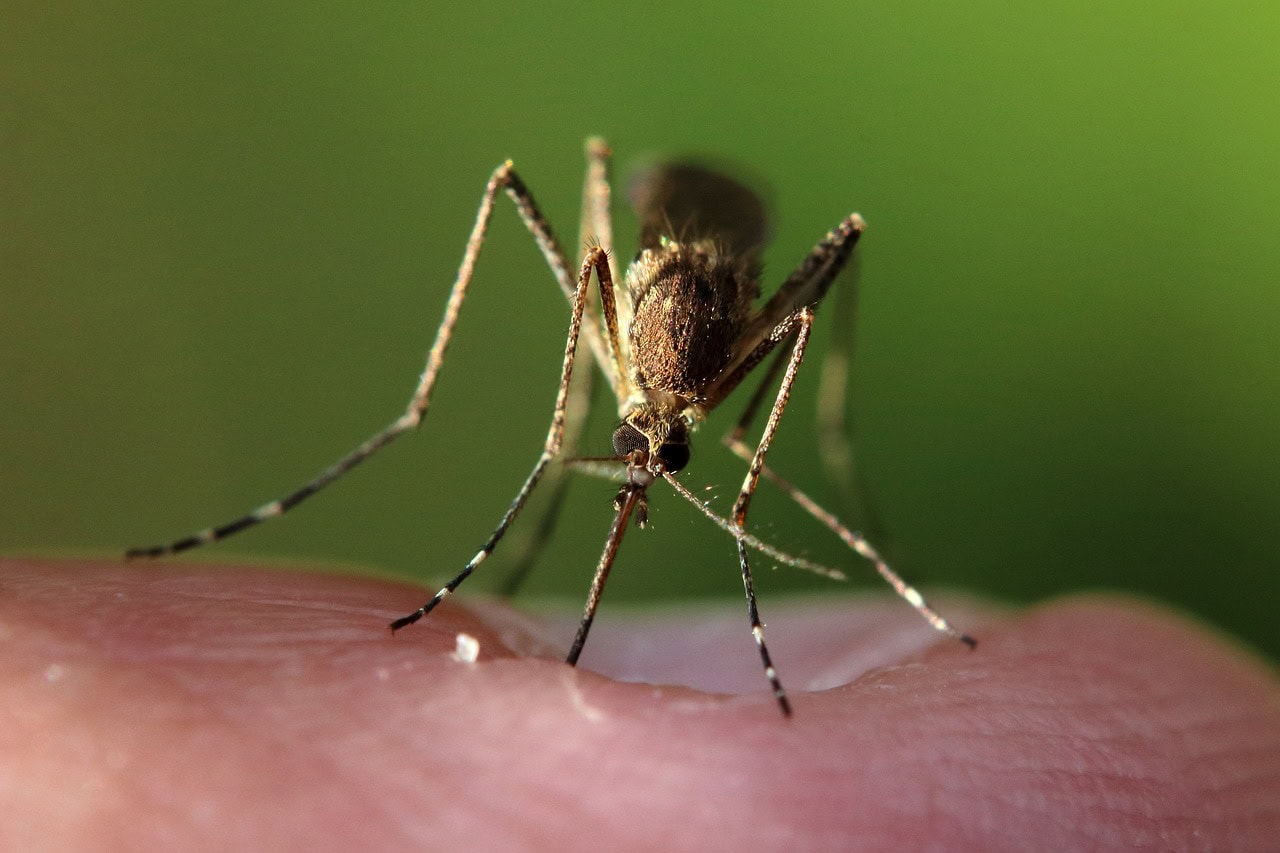
Image: Pixabay
Pest Control Gladstone Manitoba: Navigating a Cloudy, Humid Week (March 18, 2026)
As we settle into the week of March 18, 2026, Gladstone is experiencing classic early prairie spring weather: cloudy skies, 100% humidity, and temperatures hovering around 1.1°C (34°F). For homeowners thinking about pest control Gladstone Manitoba, this particular week brings a generally low bug risk level. What does a low risk mean for you? It means that most outdoor pests are still largely inactive, buried deep in their overwintering spots. While you might be tempted to start early spring clean-up around your property, perhaps near the agricultural fairgrounds or along the main streets, pests aren’t yet a major concern for indoor invasions or outdoor activities. This is the ideal time to ensure your home is sealed and prepared for when the temperatures inevitably rise.
This Week’s Weather and What It Means for Bugs
This week’s measured conditions in Gladstone, Manitoba, featuring a temperature of 1.11°C (34°F) and 100% humidity under cloudy skies, strongly dictate a period of significant inactivity and overwintering for the majority of insect pests. At 1.11°C, most insects, being cold-blooded (poikilothermic) organisms, experience metabolic rates too low to sustain active foraging, reproduction, or even movement. This temperature is just above freezing, compelling many species into a state of diapause or torpor, where biological processes are drastically slowed to conserve energy. According to research from the University of Manitoba Entomology Department, temperatures consistently below 5°C (41°F) effectively halt the development and activity of most common pest insects in temperate regions. The 100% humidity, while not directly stimulating activity at such low temperatures, is crucial for preventing desiccation of overwintering adult insects or eggs, ensuring that moisture-sensitive life stages remain viable until warmer conditions return.
For specific pests relevant to Gladstone, these conditions translate to continued dormancy. Adult northern house mosquitoes (Culex pipiens), which overwinter in sheltered locations such as basements or culverts, would remain in a state of suspended animation at 1.11°C, with no flight or feeding activity. The high humidity in their overwintering sites, influenced by the ambient 100% humidity, aids in preventing their delicate tissues from drying out during this prolonged dormant phase, as noted by studies in the Canadian Journal of Entomology. Similarly, boxelder bugs (Boisea trivittata), often found clustered in and around homes seeking shelter, would be completely inactive at this temperature. Their metabolism would be minimal, and they would remain motionless in their aggregations. While less common for active host-seeking, blacklegged ticks (Ixodes scapularis) can exhibit some activity just above freezing; however, at precisely 1.11°C, their questing behavior would be extremely limited and opportunistic, occurring only if brief, localized warming periods or sun exposure were available. The prevailing 100% humidity, however, is highly favorable for tick survival, reducing their risk of desiccation if they were to become briefly active, aligning with findings from the Canadian Centre for Disease Control regarding tick environmental resilience.
What to Do This Week in Gladstone
Well, folks, it’s the week of March 18th here in Gladstone, and we’re still feeling that damp chill with temperatures around 1.11°C (34°F) and a noticeable 100% humidity under cloudy skies. While our overall bug risk level is low right now, these conditions are a clear signal for pests to seek out warmer, drier shelter – and that often means our homes! This week, your primary focus should be on moisture control indoors. Take a moment to inspect your basement, laundry room, and under sinks for any signs of leaks or condensation. Fixing even small drips from taps or pipes, and ensuring good ventilation in damp areas, will make your home far less appealing to moisture-loving pests like silverfish, earwigs, and even some types of spiders who thrive in high humidity.
Beyond interior dampness, it’s also a great time for a quick exterior check. Even though bugs are sluggish, critters like overwintering rodents and some insects might be looking for dry refuge. Inspect the weather stripping around your doors and windows to ensure a tight seal, and check for any cracks in your foundation or gaps around utility lines. Furthermore, given our local environment, pay special attention to clearing away any lingering leaf litter, garden debris, or woodpiles that have accumulated near your home’s foundation over winter, particularly if you live in one of Gladstone’s charming older homes with stone or concrete foundations which can offer easy entry points. These damp, sheltered spots are prime real estate for pests. Proactive steps now can save you headaches later, and when you need reliable help, remember that effective pest control Gladstone Manitoba is all about prevention.
Frequently Asked Questions about Pest Activity in Gladstone
What common pests might residents of Gladstone, Manitoba encounter in their homes during early spring?
In early spring, Gladstone homes might still see overwintering pests like mice seeking warmth, or cluster flies emerging from attics as temperatures rise. Spiders might also become more active indoors before moving outside. It’s a transitional period where pests are either leaving winter dormancy or seeking the last bits of indoor shelter.
Are there any specific pest concerns for properties located near the Whitemud River in Gladstone?
Properties near the Whitemud River in Gladstone might experience increased activity from moisture-loving pests like earwigs, sowbugs, or even early-season mosquitoes if standing water is present after thaw. Rodents can also follow water sources, potentially seeking shelter in nearby structures. Maintaining good drainage is key for these riverside areas.
With low bug risk in March, what preventative steps can Gladstone homeowners take against future infestations?
Even with low risk, early spring is ideal for prevention. Gladstone homeowners should seal cracks and gaps in foundations and around windows, ensure screens are intact, and clear yard debris. Regularly inspecting basements and attics for early signs of activity can also help mitigate potential issues before they become established problems later in the year.
When should Gladstone residents consider professional pest control services for overwintering pests like mice or boxelder bugs?
If DIY methods aren’t effectively managing persistent overwintering pests like mice, cluster flies, or boxelder bugs, it’s time to consider professional assistance. For comprehensive solutions and long-term prevention tailored to local conditions, seeking expert pest control Gladstone Manitoba services ensures your home remains pest-free. Early intervention can prevent larger infestations.
Protect Your Home in Gladstone, Manitoba
Don’t let local bug activity catch you off guard. Visit our local store to get expert advice and the right supplies for your specific location.