Bug Report: Edmonton, Alberta – 2026-03-17
This Forecast is Out of Date. Please visit https://justbiteme.com/regional-bug-bite-forecast for an updated forecast

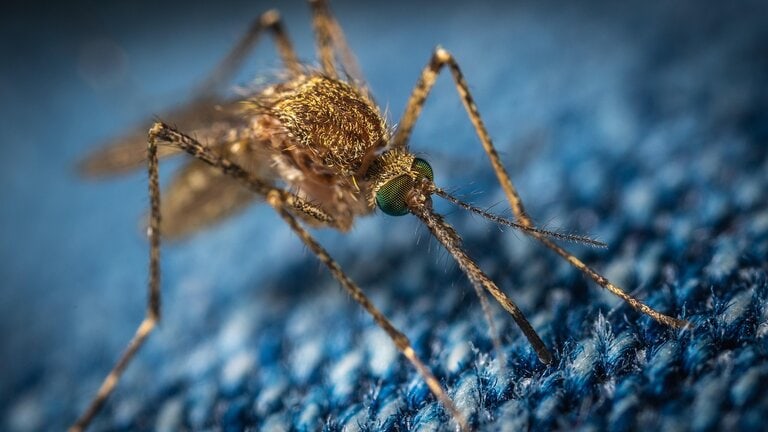
Image: Pixabay
Pest Control Edmonton Alberta: Navigating Mid-March’s Cloudy Chill
Welcome back to your trusted source for pest control Edmonton Alberta! This week, March 17, 2026, sees our city under a blanket of clouds, with temperatures around -8.66°C (16°F) and 86% humidity. While many Edmontonians might be enjoying the quiet of the still-frozen North Saskatchewan River Valley or planning a visit to West Edmonton Mall, the persistent chill outside means pests are either dormant or seeking refuge indoors. Consequently, the bug risk level is LOW. This signifies minimal outdoor pest activity typical of our cold prairie climate, so your focus should be on indoor prevention from those already sheltered within your homes.
This Week’s Weather and What It Means for Bugs
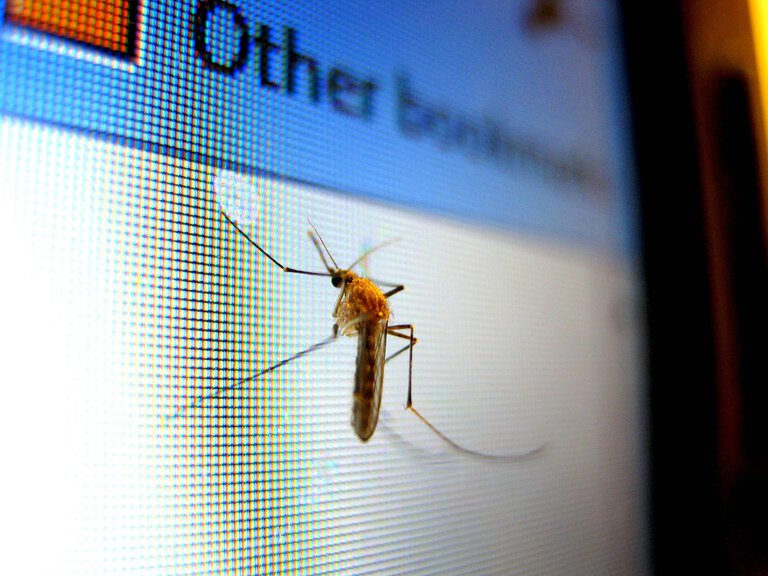
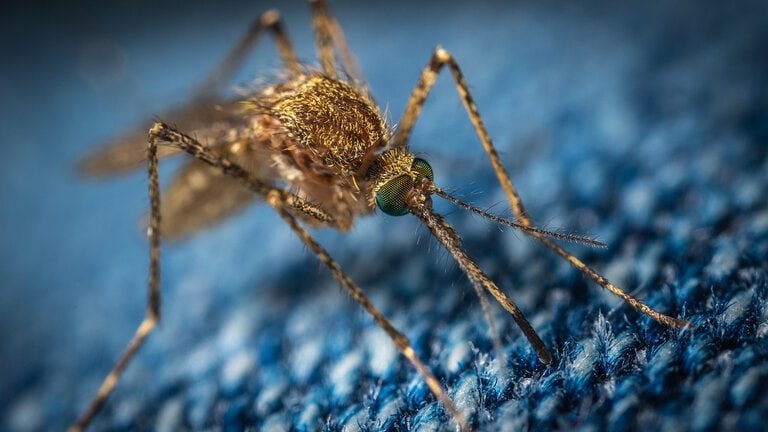
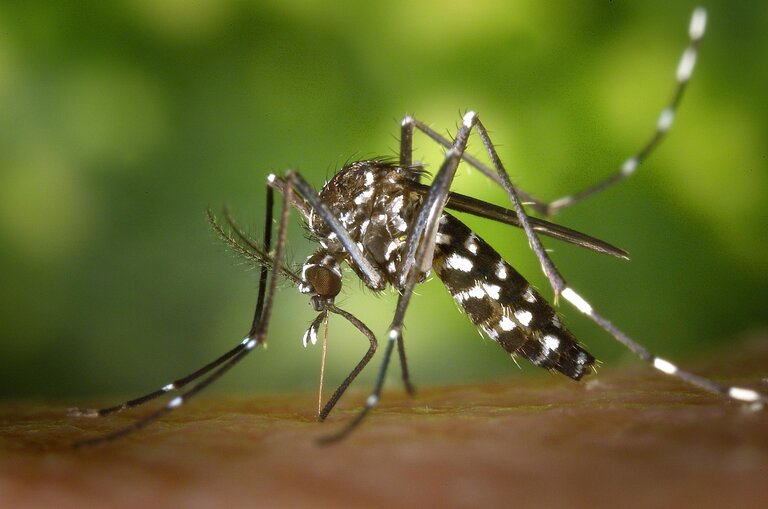
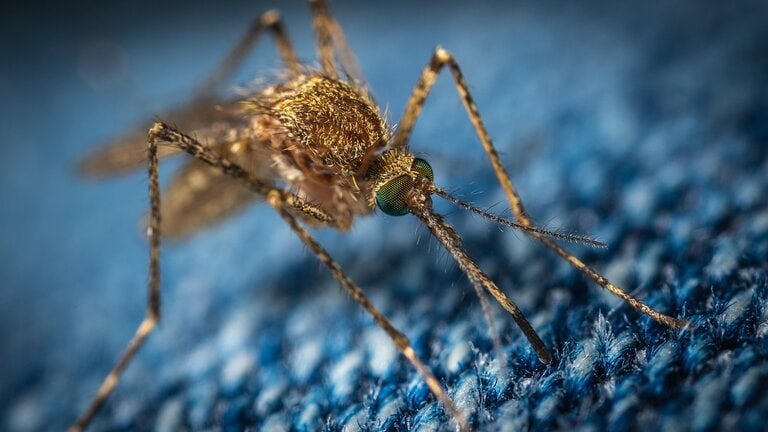
This week’s frigid Edmonton conditions, featuring a piercing -8.66°C (16°F) combined with 86% humidity and overcast skies, significantly impact the local pest landscape. At such extreme sub-zero temperatures, most insect activity outdoors grinds to a halt. According to entomological research from the University of Alberta, insect pests native to this region, such as certain mosquito species like Culiseta inornata, are deep in diapause. Their life cycles are arrested, and adults or eggs are overwintering in protected microclimates, completely inactive. The observed -8.66°C is far below the threshold for any active feeding, reproduction, or larval development for these species, ensuring that outdoor mosquito populations remain dormant. The 86% humidity, while high, is secondary to the lethal cold; it does not stimulate activity and its primary effect, if any, would be to maintain moisture in sheltered overwintering sites, preventing desiccation during this period of forced inactivity rather than enabling any outdoor movement.
However, these conditions can also influence pests seeking refuge indoors. Pests such as the Western Conifer Seed Bug (Leptoglossus occidentalis) or Boxelder Bugs (Boisea trivittata) are driven by the -8.66°C temperatures to find warm, insulated spaces, often within homes, wall voids, or attics. Research from Simon Fraser University indicates that these nuisance pests enter a state of torpor, a form of dormancy, where their metabolism slows dramatically to conserve energy. At 86% humidity, the external conditions suggest dampness, which can sometimes translate into higher humidity within unheated or poorly ventilated attic spaces or wall voids where these bugs may overwinter. This high humidity can be beneficial for their survival in these sheltered microclimates by reducing desiccation risks during their prolonged inactive state, ensuring a viable population emerges once spring temperatures rise. The continuous cloud cover further contributes to the sustained low temperatures, reinforcing their need for internal shelter and dormancy.
What to Do This Week in Edmonton
With the thermometer hovering around -8.66°C and the clouds hanging heavy, it might feel like pest activity is at a standstill. While outdoor insect activity is indeed low, this is prime time for unwanted guests like rodents to seek the warmth and shelter of your Edmonton home. Your first line of defense should be a thorough exterior inspection. Pay close attention to your foundation, utility line entry points (like pipes and wires), and especially around your garage door seals. Even small gaps, as tiny as a dime, can be an open invitation for mice. Many older homes in our beautiful city can develop small cracks over time due to our freeze-thaw cycles, making these areas critical to seal up promptly with good quality caulking or steel wool.
Indoors, with 86% humidity outside, it’s a great reminder to tackle any potential moisture issues within your home. Check basements, crawl spaces, and under sinks for any leaks or excessive condensation. Addressing these now will prevent problems with moisture-loving pests like silverfish or even some species of ants later. Lastly, take a moment to peek into seldom-used areas like attics or storage rooms. While most insects are still dormant, a warmer-than-usual spot inside your home could prematurely rouse overwintering pests like cluster flies or ladybugs. Proactive checks like these are essential for effective pest control Edmonton Alberta and can save you a headache when spring truly arrives.
Frequently Asked Questions about Pest Activity in Edmonton
What common pests are Edmonton residents likely to encounter in mid-March?
In mid-March, Edmonton homeowners might still encounter rodents like mice or rats seeking warmth indoors. Overwintering pests such as boxelder bugs or cluster flies could also become noticeable indoors if temperatures fluctuate. Outdoor pest activity remains relatively low, but indoor populations, especially rodents, are often active as winter transitions to spring.
When is the optimal time for preventative pest control in Edmonton to prepare for spring?
Early spring, typically late March into April, is an excellent time for preventative pest control in Edmonton, Alberta. Addressing potential entry points and applying perimeter treatments can deter emerging pests like ants, spiders, and overwintering insects before they establish colonies or become problematic. Proactive measures minimize future infestations as outdoor temperatures rise.
Are there specific pest concerns for older neighborhoods like Old Strathcona in Edmonton during early spring?
Yes, older areas like Old Strathcona, with their mature infrastructure and dense housing, can experience heightened rodent activity, particularly rats. The presence of numerous restaurants and businesses also contributes to potential issues with cockroaches or ants. Regular monitoring and sealing entry points are crucial for residents in these historically rich Edmonton communities.
What are the tell-tale signs of a rodent infestation in Edmonton homes during March?
During March, signs of a rodent infestation in Edmonton homes include small droppings near food sources or along walls, gnaw marks on food packaging, wiring, or wooden structures, and scratching or scurrying noises in walls, attics, or basements, especially at night. Unusual pet behavior, like staring intently at walls, can also be an indicator.
How can Edmonton homeowners prevent ants from becoming a problem as spring approaches?
To prevent ants as spring approaches in Edmonton, homeowners should seal any visible cracks or gaps in foundations and around windows/doors. Store food in airtight containers, promptly clean up crumbs and spills, and ensure garbage bins are secure. Addressing moisture issues like leaky pipes also deters ants, who seek both food and water indoors.
Protect Your Home in Edmonton, Alberta
Don’t let local bug activity catch you off guard. Visit our local store to get expert advice and the right supplies for your specific location.