Bug Report: Columbus, Texas – 2026-03-17
This Forecast is Out of Date. Please visit https://justbiteme.com/regional-bug-bite-forecast for an updated forecast

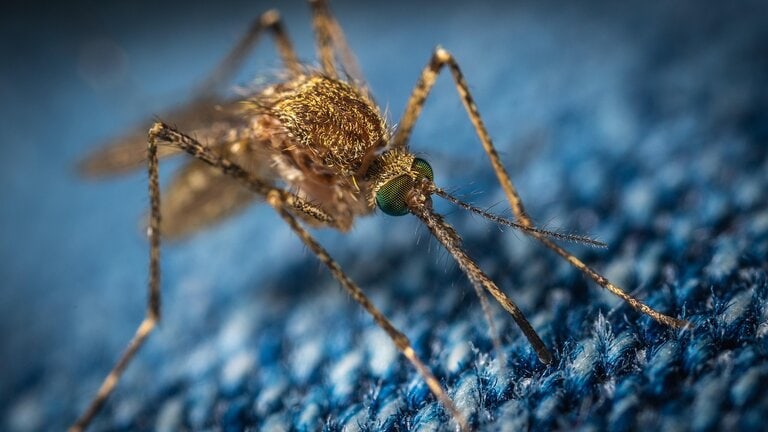
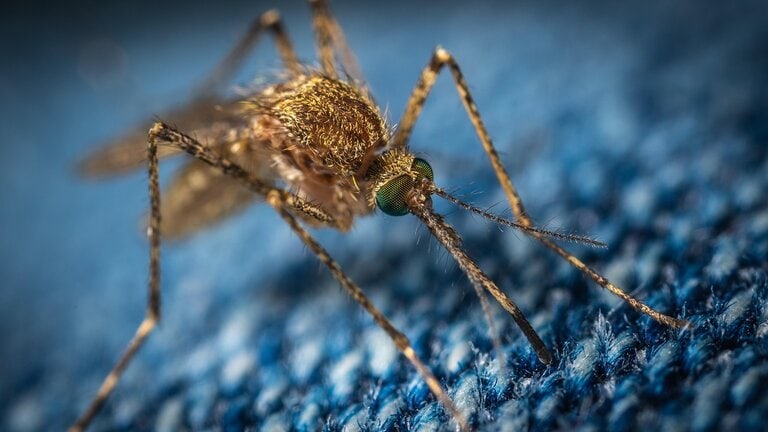
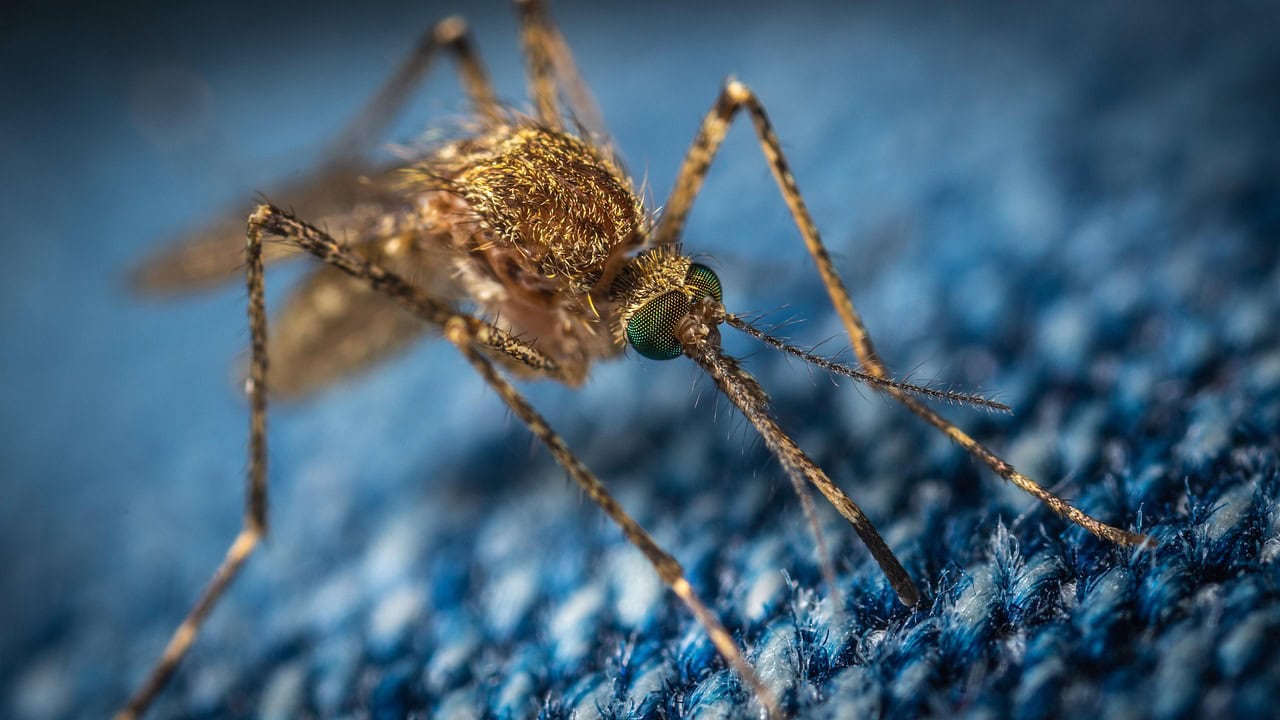
Image: Pixabay
Pest Control Columbus Texas: Keeping an Eye on the Chilly 42°F, 82% Humidity, Cloudy Week
This week, with temperatures hovering around a chilly 42°F and a damp 82% humidity under cloudy skies, the bug risk level for homeowners here in Columbus is fortunately Low. What does a Low risk mean for you? It means most common household pests in our humid South region, like ants and cockroaches, are less active outdoors. While you might not see many critters scurrying around as you visit the historic Courthouse Square, diligent pest control Columbus Texas still involves keeping an eye on potential entry points. This period is more about prevention than active infestation, as many pests are simply hunkering down.
This Week’s Weather and What It Means for Bugs
This week in Columbus, Texas, the measured temperature of 5.45°C (42°F), coupled with 82% humidity and cloudy conditions, presents a specific set of challenges and opportunities for local pest populations. For many outdoor insect pests, such as the imported fire ant (Solenopsis invicta), the 5.45°C (42°F) temperature falls well below their optimal foraging threshold, which typically ranges from 24-35°C (75-95°F). According to research from Texas A&M AgriLife Extension, these cooler temperatures significantly reduce surface activity, driving fire ant colonies deeper into the soil where they can insulate themselves from the cold. While the low temperature suppresses visible activity, the high 82% humidity can maintain crucial soil moisture levels, which is generally beneficial for the long-term health and survival of subterranean ant colonies, even during periods of inactivity.
Indoor pests, however, respond differently to these conditions. The 5.45°C (42°F) outdoor temperature serves as a strong environmental cue for pests like the American cockroach (Periplaneta americana) to seek warmth and shelter inside structures. Once indoors, the observed 82% humidity, particularly in areas such as kitchens, bathrooms, or utility rooms, creates an ideal microclimate for these moisture-loving insects to remain active and potentially thrive, as noted by studies from the University of Florida’s Entomology Department. Similarly, subterranean termites (Reticulitermes flavipes), whose colonies are primarily located underground, are less affected by the fluctuating surface temperatures. Their activity is insulated by the soil, but the persistently high 82% humidity is highly advantageous for them, helping to maintain the high moisture content essential for their galleries, tunnels, and the digestion of wood, a critical factor highlighted by researchers at Virginia Tech.
What to Do This Week in Columbus
With the cool 42°F temperatures, high 82% humidity, and cloudy skies we’re experiencing this week in Columbus, bugs might be less visible, but they’re certainly still looking for comfortable spots. This low bug risk period is actually a prime time for proactive prevention! First, take a close look indoors for any signs of excess moisture. Inspect under sinks, around toilets, and in laundry areas for leaks or condensation. High humidity outside means any indoor moisture issues are magnified, creating irresistible havens for pests like roaches, silverfish, and even certain ant species seeking water sources. Secondly, now is the perfect opportunity to seal up potential entry points. Check around windows, doors, and where utility lines enter your home for any gaps or cracks. At these cooler temperatures, pests are actively seeking warmer indoor shelter, so sealing even small openings with caulk or weatherstripping can significantly reduce their ability to find refuge.
Moving outdoors, focus on managing water, which is a magnet for pests in our humid Texas climate. Ensure your gutters are completely clear of debris and that downspouts direct water well away from your home’s foundation. With the constant cloud cover and potential for rain, clogged gutters create standing water that can attract mosquitoes, roaches, and even become a conducive condition for termites near your foundation. This is a critical step for effective pest control Columbus Texas homeowners should prioritize. Finally, given the common architectural styles here, if you have a pier and beam foundation, take a moment to briefly check your crawl space for excessive moisture, standing water, or any signs of rodent activity. For homes with slab foundations, inspect the perimeter for cracks or gaps where utility lines enter. Addressing these potential pest hideouts now, before spring truly arrives, will save you headaches later.
Frequently Asked Questions about Pest Activity in Columbus
What are the most common pests homeowners in Columbus, Texas, encounter?
Residents often deal with common pests like ants, spiders, and roaches. Given its proximity to the Colorado River, mosquitoes can also be prevalent, especially during warmer, wetter months. Rodents and occasional scorpions are also reported. Proactive measures can help keep these unwelcome guests at bay.
Are homes in Old Town Columbus more susceptible to specific pest issues?
Older homes in areas like Old Town Columbus can sometimes face unique challenges, such as termites, rodents seeking shelter in foundations, or wood-boring beetles. Regular inspections and sealing entry points are crucial for preserving historic properties and preventing infestations.
When is the best time for preventative pest control in Columbus, Texas?
Proactive pest control in Columbus, Texas, is beneficial year-round, but spring and fall are critical. Spring treatments target emerging insects like ants and termites, while fall prepares homes for overwintering pests like rodents and spiders seeking warmth indoors. Regular service helps maintain a pest-free environment.
What should Columbus residents know about termite activity in the area?
Termites are a significant concern in Columbus, Texas, especially subterranean termites which thrive in our climate. Swarming typically occurs in spring after rain, a key indicator of their presence. Regular inspections, particularly for homes with wood-to-ground contact, are vital for early detection and preventing costly structural damage.
How can residents near the Colorado River mitigate mosquito problems?
Residents close to the Colorado River can reduce mosquito populations by eliminating standing water around their property weekly. This includes emptying bird baths, unclogging gutters, and covering rain barrels. Larvicides can be used in larger water features, and proper landscaping also helps minimize breeding sites.
Protect Your Home in Columbus, Texas
Don’t let local bug activity catch you off guard. Visit our local store to get expert advice and the right supplies for your specific location.