Bug Report: Collinsville, Illinois – 2026-03-17
This Forecast is Out of Date. Please visit https://justbiteme.com/regional-bug-bite-forecast for an updated forecast

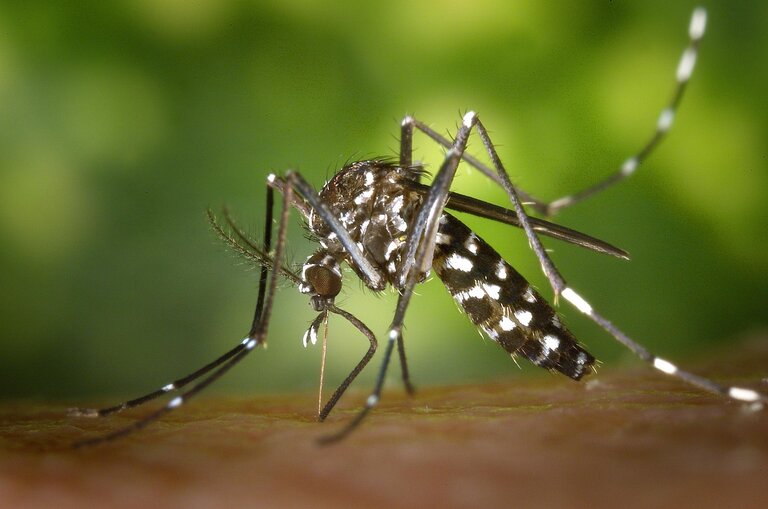
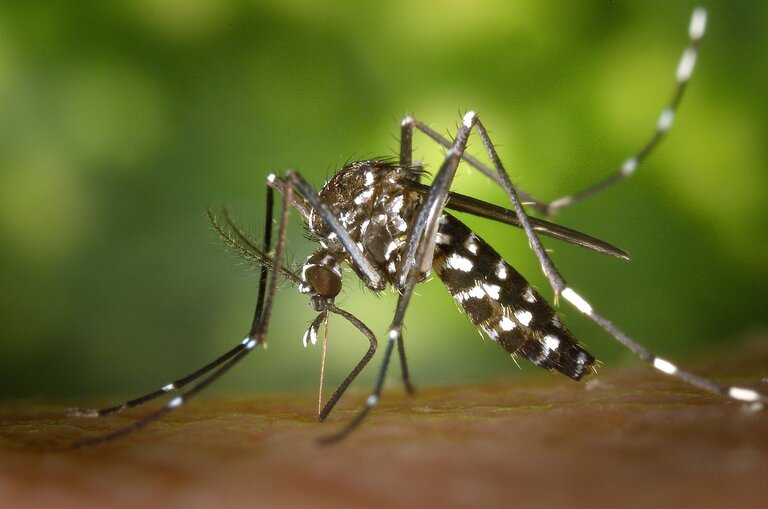
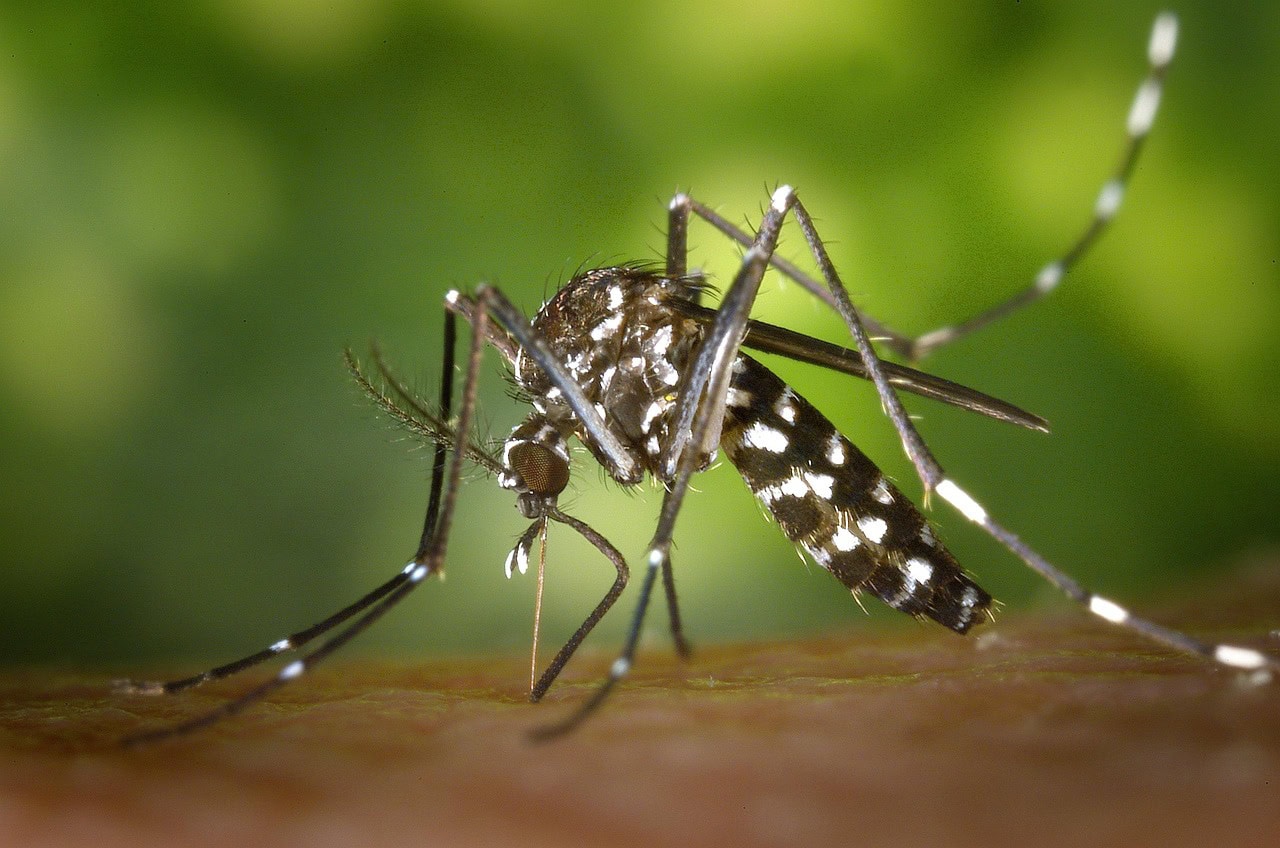
Image: Pixabay
Collinsville Illinois Pest Control Update: Rain and Low Temperatures on March 17, 2026
Welcome back, Collinsville homeowners! As we slosh through the week of March 17, 2026, with temperatures hovering around a chilly 4.03°C (39°F) and a soggy 89% humidity, it’s a quiet time for pest activity. For effective pest control Collinsville Illinois, understanding these seasonal shifts is key. While many of us are just trying to stay dry heading to the Collinsville Gateway Center or admiring the World’s Largest Catsup Bottle from afar, our local creepy crawlies are largely keeping to themselves. This week, we’re at a Low bug risk level, meaning most common household pests like ants, spiders, and even early termites are still hunkered down, largely inactive due to the persistent rain and low temperatures typical of our Midwestern prairie climate this time of year. For you, that means less immediate concern.
This Week’s Weather and What It Means for Bugs
This week’s conditions in Collinsville, Illinois, with temperatures at a chilly 4.03°C (39°F), high humidity at 89%, and persistent rain, significantly dictate pest behavior, primarily driving them towards overwintering and seeking shelter. At 4.03°C, most ectothermic insects are well below their optimal activity thresholds, forcing them into a state of diapause or greatly reduced metabolism. According to entomological studies from the University of Illinois, temperatures consistently below 10°C (50°F) trigger overwintering instincts in many common household invaders. The high 89% humidity combined with rain further intensifies the need for pests to seek dry, sheltered locations to prevent desiccation or freezing, especially in species that utilize structures for warmth.
Specifically, these conditions have a pronounced effect on pests like the Boxelder Bug (Boisea trivittata) and the Brown Marmorated Stink Bug (Halyomorpha halys). Both species are nuisance pests known for aggregating on the sunny sides of homes in late fall and early winter. With external temperatures at a frigid 4.03°C and 89% humidity, these insects are actively driven to seek cracks, crevices, and other entry points into wall voids, attics, and basements where temperatures are warmer and conditions are drier. Research from the University of Missouri indicates that cold, wet conditions below 7°C (45°F) are primary triggers for these overwintering pests to move indoors, reducing their risk of mortality from exposure and maintaining internal water balance. While outdoor activity for these species is virtually nonexistent at 4.03°C, the cold and wet external environment means they are firmly established inside structures for the duration of winter.
Furthermore, the persistent rain and 89% humidity, even at 4.03°C, play a role in the long-term outlook for pests like Carpenter Ants (Camponotus spp.). While outdoor foraging for carpenter ants is completely halted at 4.03°C, and they enter a state of dormancy (diapause) within their nests, the high external moisture is critical for their habitat. According to studies by Purdue University, carpenter ants prefer to excavate galleries in wood that has a moisture content exceeding 15%. This week’s prolonged rain and 89% humidity contribute to saturated soil and potentially increase moisture levels in vulnerable wooden structures around homes. Although not causing immediate activity, these conditions can perpetuate or create ideal environments for carpenter ant colonies to thrive once temperatures rise, or support existing indoor colonies by maintaining suitable humidity levels within their hidden galleries, making effective moisture management around the home crucial.
What to Do This Week in Collinsville
Hello Collinsville neighbors! With temperatures hovering around 39°F, high humidity, and rain this week, most pests are looking for two things: warmth and dryness. While the overall bug risk is low, this is actually a prime time for proactive prevention to keep critters from finding comfort in your home. First, take a walk around your home’s exterior and inspect for any gaps or cracks, especially around window frames, door sweeps, and utility line entry points. Sealing these small openings with caulk or weatherstripping is crucial. The cold rain makes indoors incredibly appealing to rodents, spiders, and even overwintering pests like boxelder bugs that are still trying to find secure shelter from the elements.
Next, focus on moisture control, both inside and out. With 89% humidity and rain, standing water and damp areas become magnets for pests. Ensure your gutters are clear and directing water away from your foundation – a key step in preventing moisture-related pest issues. Inside, check basements, crawl spaces, and under sinks for any leaks or excessive dampness. For many of the beautiful, older homes in Collinsville, particularly those with basements, addressing moisture issues now can prevent problems with silverfish, centipedes, and even deter more serious issues like termites or carpenter ants seeking softened wood. Taking these steps can make your home less attractive to unwelcome guests. If you discover signs of pest activity or need a professional eye, don’t hesitate to reach out for expert pest control Collinsville Illinois services.
Frequently Asked Questions about Pest Activity in Collinsville
What common pests might Collinsville residents encounter in mid-March 2026?
With the low bug risk this week, Collinsville residents might primarily notice overwintering pests like boxelder bugs or lady beetles seeking warmer spots. Occasional house spiders or ants might appear as temperatures fluctuate. Rodent activity could also be present, particularly near older structures or wooded areas, as they seek food sources after winter.
Are there specific pest concerns for homes located in Old Town Collinsville?
Homes in Old Town Collinsville, often older and with established foundations, can be more susceptible to pests like mice, rats, and termites. These pests exploit small entry points or wood contact with soil. Regular inspections are crucial. Residents should seal cracks, maintain gutters, and ensure proper ventilation to mitigate risks in these historic properties.
What are the most effective DIY tips for preventing common pests in Collinsville this spring?
Collinsville homeowners can prevent spring pests by sealing cracks and gaps around foundations and windows. Ensure screens are intact. Keep gutters clear of debris, trim shrubs away from the house, and store firewood off the ground. Promptly clean up food spills and ensure garbage bins have tight-fitting lids to deter ants and rodents.
When should I consider hiring professional pest control in Collinsville Illinois?
You should consider professional pest control Collinsville Illinois services when DIY methods fail or if you notice recurring or large infestations. Persistent sightings of rodents, termites, or numerous crawling insects indoors warrant expert assessment. Professionals can identify hidden entry points and apply targeted treatments safely and effectively, providing long-term solutions for your home.
Are certain environmental factors in Collinsville contributing to unique pest problems?
Collinsville’s proximity to agricultural fields and bodies of water like Horseshoe Lake can occasionally lead to increased populations of field mice, certain insect species, or mosquitoes during warmer months. Urban sprawl also displaces wildlife, pushing rodents and other pests into residential areas. Proper landscaping and sanitation help manage these localized challenges.
Protect Your Home in Collinsville, Illinois
Don’t let local bug activity catch you off guard. Visit our local store to get expert advice and the right supplies for your specific location.