Bug Report: Chicago, Illinois – 2026-03-17
This Forecast is Out of Date. Please visit https://justbiteme.com/regional-bug-bite-forecast for an updated forecast

Image: Pixabay
Pest Control Chicago Illinois: March 17th, 2026 – A Chilly, Cloudy Week at 33°F
Welcome back, Chicago homeowners! This week, with temperatures hovering around a frosty 0.42°C (33°F), 94% humidity under cloudy skies, our pest control Chicago Illinois outlook remains decidedly low. You might be bundling up for a walk along Lake Michigan or heading to Lincoln Park Zoo, but rest assured, most common household pests are doing the exact same – hunkering down. For our great prairie state, these early spring conditions mean minimal outdoor pest activity, offering you a welcome reprieve from active infestations. A ‘low risk’ means pests are largely dormant, making it an ideal time for preventative checks without the urgency of an active threat.
This Week’s Weather and What It Means for Bugs
This week’s measured conditions in Chicago, with a temperature of 0.42°C (33°F) and 94% humidity under cloudy skies, paint a clear picture for insect activity: a profound slowdown or complete halt. At just above freezing, this temperature range is well below the physiological thresholds for active metabolism, feeding, and reproduction for the vast majority of insects. According to entomological studies from the University of Illinois Urbana-Champaign, temperatures around 0°C typically induce either diapause (a state of arrested development) or quiescence (a temporary inactivity due to unfavorable conditions) in cold-blooded organisms. The high 94% humidity, while not directly mitigating the extreme cold, can play a secondary role by reducing desiccation stress on any organisms attempting to overwinter outdoors or in unprotected harborage, essentially preserving their moisture content as they remain dormant.
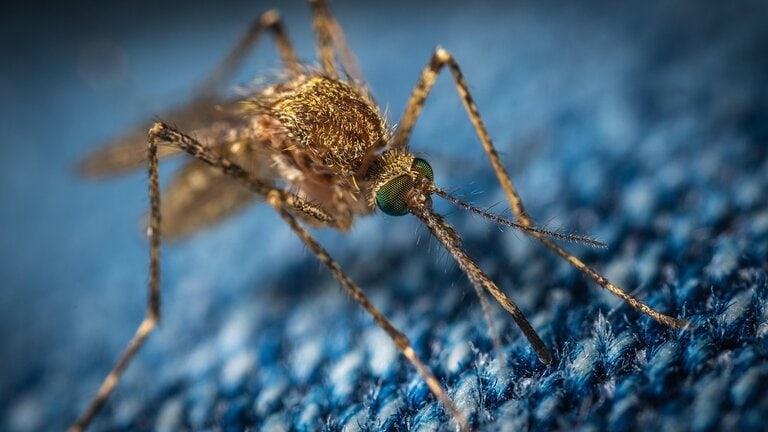
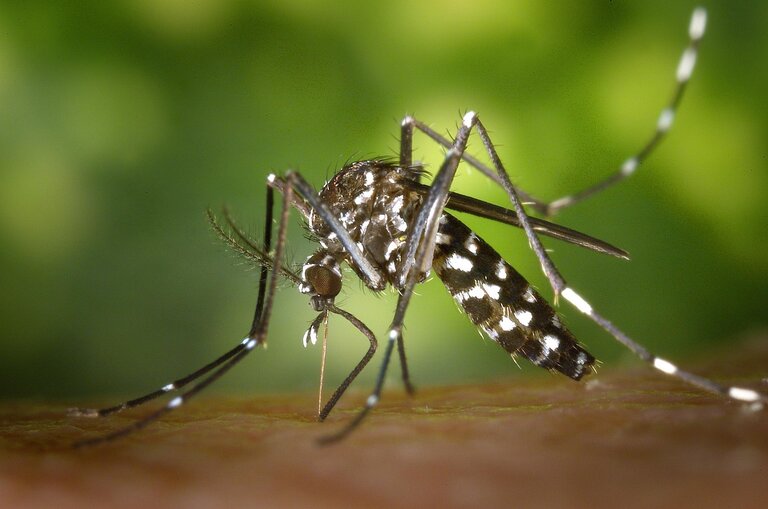
Specifically, these conditions significantly impact common Chicago pests. Overwintering nuisance invaders such as Boxelder Bugs (Boisea trivittata) and Multicolored Asian Lady Beetles (Harmonia axyridis), which often seek shelter in homes, would be in a deep state of diapause at 0.42°C. Their metabolic rates are critically low, and they are completely inactive, waiting for warmer temperatures. Research compiled by Michigan State University Extension notes that these cold temperatures reinforce their overwintering strategy, keeping them dormant until spring. For mosquitoes, like the Northern House Mosquito (Culex pipiens) which overwinters as adults, or the Inland Floodwater Mosquito (Aedes vexans) which overwinters as eggs, the 0.42°C temperature entirely prevents any adult activity or egg development. The 94% humidity becomes crucial for the survival of overwintering mosquito eggs in damp soil or leaf litter, preventing lethal desiccation in the cold environment, as highlighted by findings from the Ohio State University Department of Entomology. Therefore, while no active outdoor pest issues are expected, these conditions are vital for the survival and preparation of many species for their eventual emergence in spring.
What to Do This Week in Chicago
Alright Chicago homeowners, it’s still a bit chilly out there at 33°F with high humidity, so while the overall bug risk is low, this is prime time for proactive measures! First, give your home’s exterior a once-over. Even with low temperatures, pests like mice are always seeking warmth, and overwintering insects might be making their last dash for shelter. Focus on sealing any small cracks or gaps around your foundation, utility lines, and window frames. These tiny entry points are an open invitation for critters looking to escape the damp chill and find a cozy spot indoors. Additionally, for many of us in older Chicago homes, take a good look at your basements and window wells. With 94% humidity, any standing water from melting snow or recent rain can become a magnet for moisture-loving pests like centipedes or silverfish, so ensure good drainage and address any damp spots promptly.
Inside, managing moisture is key. High outdoor humidity can translate to condensation indoors, especially in bathrooms, kitchens, and those classic Chicago basements. Running exhaust fans when cooking or showering, and even using a dehumidifier in damp areas, can make your home far less appealing to pests that thrive in humid conditions. This week, also consider clearing out your gutters and downspouts. With the fluctuating temperatures and high humidity, clogged gutters can lead to water pooling around your foundation, creating prime conditions for future pest problems as the weather warms. Remember, effective pest control Chicago Illinois starts with vigilance and early action. If you do spot any unwelcome guests, don’t hesitate to reach out!
Frequently Asked Questions about Pest Activity in Chicago
What are common indoor pests Chicago residents might encounter even with low outdoor bug risk in March?
Even in March, indoor pests like mice, cockroaches, and bed bugs remain a concern in Chicago. Rodents seek warmth, while cockroaches thrive in shared building spaces. Bed bugs are active year-round and can be brought into homes from various public places. Vigilance and early detection are crucial for these persistent invaders.
Are there specific pest issues residents in Chicago’s Loop neighborhood should be aware of?
Residents in the dense Loop neighborhood often face challenges with rodents and cockroaches, attracted by commercial food waste and high foot traffic. Due to connected buildings and alleyways, these pests can move freely between properties. Proper waste management and sealing entry points are critical preventative measures for Loop residents.
What proactive steps can Chicago homeowners take to prevent pests as spring approaches?
As spring nears, Chicago homeowners should seal cracks in foundations and around utility lines, repair leaky pipes, and ensure proper drainage around their homes. Storing food in airtight containers and regularly cleaning kitchens also deters pests. These preventative actions minimize entry points and food sources before pest activity increases.
When should I consider professional pest control services in Chicago, Illinois?
You should consider professional pest control Chicago Illinois services if you notice persistent pest activity, discover a large infestation, or identify pests like termites or bed bugs. Early intervention by experts prevents minor issues from escalating and ensures effective, long-term eradication. Professionals can accurately identify pests and apply targeted treatments.
Protect Your Home in Chicago, Illinois
Don’t let local bug activity catch you off guard. Visit our local store to get expert advice and the right supplies for your specific location.