Bug Report: Buckeye Lake, Ohio – 2026-03-17
This Forecast is Out of Date. Please visit https://justbiteme.com/regional-bug-bite-forecast for an updated forecast

Image: Pixabay
Pest Control Buckeye Lake Ohio: Navigating the Arctic Chill and High Humidity This Week (March 17, 2026)
For residents seeking effective pest control Buckeye Lake Ohio, this week’s frigid temperatures of 12°F (-11.29°C) with 97% humidity and cloudy skies mean outdoor pest activity is at an absolute minimum. While the icy conditions keep creatures like boxelder bugs and stink bugs from congregating on sunny lakefront walls near the North Bank or around the docks, it’s a critical time to remember that ‘low risk’ doesn’t mean ‘no risk.’ Instead, this indicates that outdoor pests are largely dormant, but those already inside your warm Buckeye Lake home, having sought refuge from our region’s characteristic humid continental climate, might still be a concern. Homeowners can breathe a sigh of relief from new outdoor invasions.
This Week’s Weather and What It Means for Bugs
The measured conditions in Buckeye Lake this week, particularly the frigid temperature of -11.29°C (12°F), dictate a significant halt in active insect life. At such extreme cold, most invertebrate pests in Ohio enter a state of diapause or quiescence, profoundly slowing their metabolic rates to conserve energy and survive the winter. According to entomological research from institutions like Ohio State University, active foraging, reproduction, and development for the vast majority of outdoor insects cease when temperatures consistently fall below freezing. Pests will be seeking deep, insulated refugia, such as under bark, within leaf litter, deep in the soil, or inside structures, where microclimates may offer slightly warmer conditions. The accompanying 97% humidity, while making the outdoor air feel intensely cold to humans, can paradoxically benefit overwintering insects by mitigating the risk of desiccation in their sheltered dormant states, ensuring they retain vital moisture until warmer weather returns.
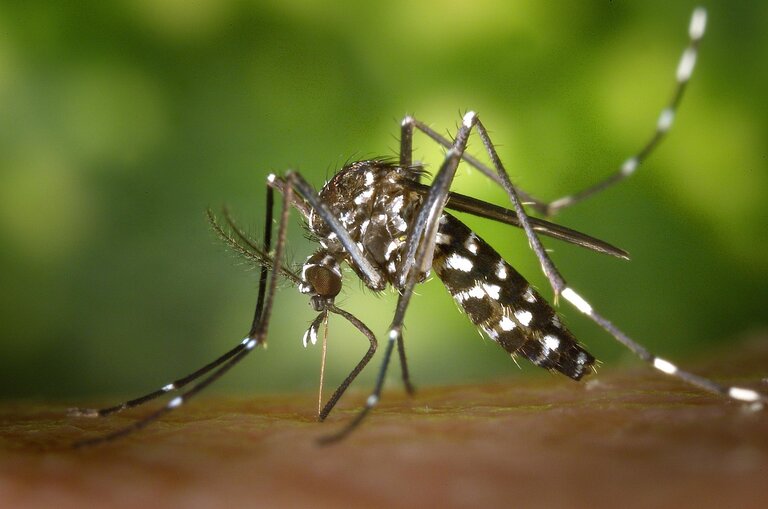
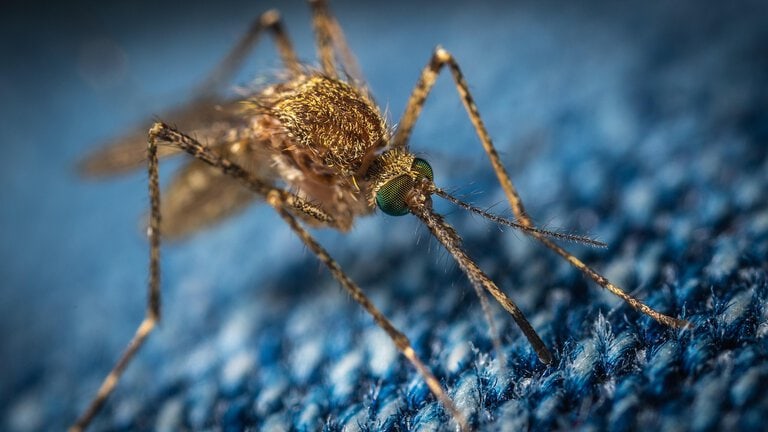
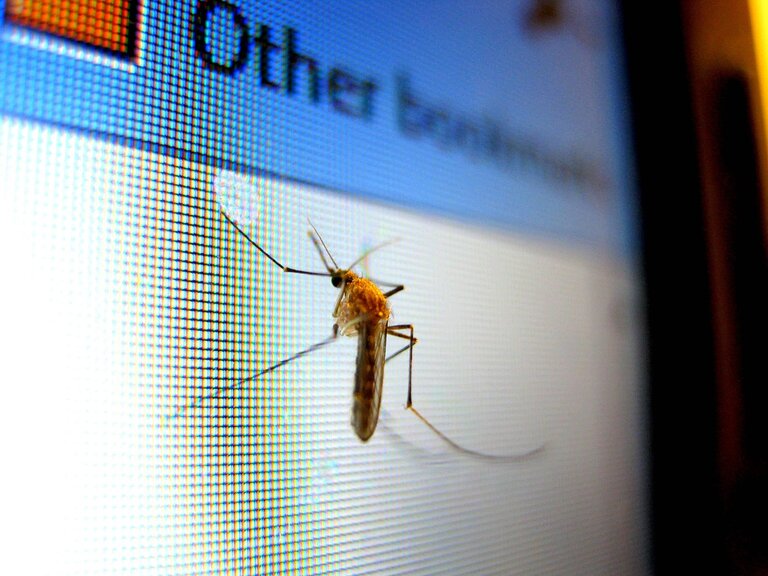
Specific pest species exhibit distinct biological responses to these harsh conditions. For instance, the Northern House Mosquito (Culex pipiens), a common vector in Ohio, overwinters as adult females. At 12°F, these mosquitoes are completely inactive, sequestered in sheltered locations like culverts, basements, or hollow trees. Studies from universities in the Great Lakes region confirm that adult mosquito activity ceases well above freezing, making movement or host-seeking impossible at this temperature. Similarly, Blacklegged Ticks (Ixodes scapularis), known carriers of Lyme disease, are rendered inactive. While they can exhibit some questing behavior on mild winter days above freezing, the persistent -11.29°C ensures they remain deep within leaf litter or soil, in a state of dormancy with no capacity for host-seeking. Their high survival rate during winter is partly attributed to their ability to tolerate such low temperatures while protected by insulation and maintained humidity. Finally, common nuisance pests like the Pavement Ant (Tetramorium immigrans) are also severely impacted. At 12°F, their colonies would be consolidated deep within the soil, well below the frost line, with individuals in a state of torpor, greatly reducing their energy expenditure. The high humidity helps maintain the soil moisture around their subterranean nests, preventing desiccation of the dormant colony.
What to Do This Week in Buckeye Lake
Hello Buckeye Lake neighbors! This week, with temperatures dipping to a brisk 12°F and humidity clinging at 97%, most pests are wisely hunkering down. While our bug risk is currently low, this is the perfect time for proactive pest prevention, driving pests out before they become a problem. First, take advantage of the frigid temps by checking for any gaps or cracks around your windows and doors, especially older frames common in our lakefront properties. A quick seal with weatherstripping or caulk now prevents cold-seeking rodents and insects from finding a warm refuge inside your home. Remember, even in the cold, pests like mice and spiders are still looking for warmth and shelter, and a tight seal is your first line of defense. This is a crucial step for effective pest control Buckeye Lake Ohio residents can take to protect their homes.
Next, despite the low temperatures, our high humidity means moisture can still be a silent attractor for various pests. Focus on areas where condensation might build up, such as around windows, in basements, or crawl spaces. Check for any dripping pipes, especially around utility entry points or in unused areas of older lake homes, as burst pipes are a risk in these freezing conditions and even small leaks can attract moisture-loving pests like silverfish, centipedes, and even carpenter ants looking for damp wood. Also, take a moment to ensure any firewood stored near your home is elevated and not directly touching the foundation; while it’s cold now, thawing periods can bring out hidden insects from woodpiles. By addressing potential moisture issues and maintaining a vigilant eye on your property’s exterior, you’re building a strong defense against future infestations, even when it feels like nothing is stirring.
Frequently Asked Questions about Pest Activity in Buckeye Lake
What are the common pest concerns around Buckeye Lake in early spring?
In early spring around Buckeye Lake, residents often see increased activity from overwintering pests like boxelder bugs, cluster flies, and occasional invaders seeking warmth. As temperatures rise, ants may begin foraging. Mosquito activity is still minimal, but preparing for spring and summer pest cycles is wise for comprehensive protection.
Is pest control typically needed near the lakefront properties in Buckeye Lake?
Lakefront properties often face unique pest challenges due to proximity to water and vegetation. Mosquitoes become a significant concern later in spring, while spiders, ants, and occasional rodents might seek shelter in homes. Regular inspections and preventative measures are often recommended to maintain a pest-free environment.
Are there specific pest issues residents in the Fairfield Beach area of Buckeye Lake should watch for?
Residents in the Fairfield Beach area, like other parts of Buckeye Lake, should monitor for early spring invaders such as ants and spiders. The proximity to water can also mean increased chances of moisture-seeking pests. Ensuring proper sealing of homes is crucial to prevent common pests from entering your living space.
How does the March weather in Buckeye Lake affect local pest activity?
Mid-March weather in Buckeye Lake, with fluctuating temperatures, can prompt some pests to become active. Overwintering pests may emerge on warmer days, while ants might start foraging for food. Mosquitoes are not yet a major threat, but their larvae may be developing in standing water, signaling the need for early season prevention.
When should I consider professional pest control services in Buckeye Lake, Ohio?
You should consider professional pest control Buckeye Lake Ohio services if you observe persistent pest activity, discover signs of an infestation, or want proactive protection. Early spring is an ideal time to establish preventative treatments for common pests like ants, spiders, and future mosquito issues, ensuring year-round peace of mind.
Protect Your Home in Buckeye Lake, Ohio
Don’t let local bug activity catch you off guard. Visit our local store to get expert advice and the right supplies for your specific location.