Bug Report: Bigfork, Montana – 2026-03-17
This Forecast is Out of Date. Please visit https://justbiteme.com/regional-bug-bite-forecast for an updated forecast

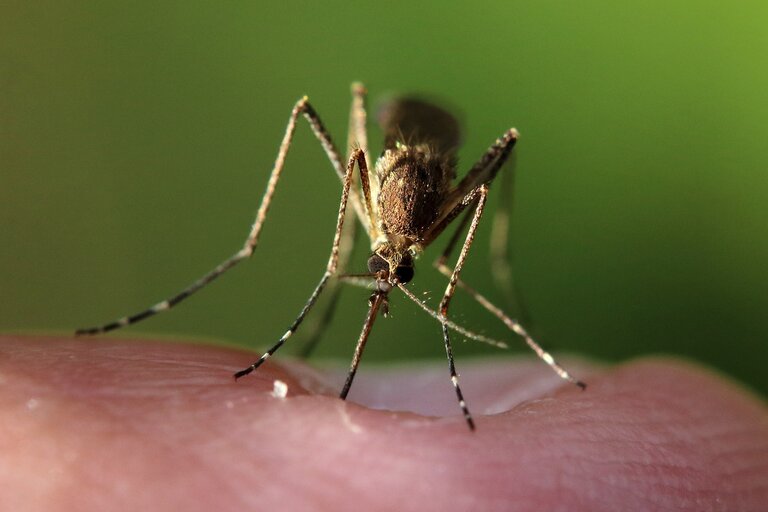
Image: Pixabay
Your Weekly Pest Control Bigfork Montana Update: Embracing the Snowy Low-Risk Week
Greetings, Bigfork homeowners! This is your local pest expert, bringing you the latest bug report for March 17th. As we look outside at a fresh blanket of snow, with temperatures hovering around a chilly -3.2°C (26°F) and humidity at a near-saturated 98%, it’s clear Mother Nature has put a firm damper on outdoor pest activity. For those of us dedicated to effective pest control Bigfork Montana, these conditions mean a welcome respite. Our unique mountain valley climate is truly showing its winter character this week, ensuring most common nuisances are staying deep in their overwintering spots.
Even with the iconic Flathead Lake shimmering under a fresh coat of white, and the village quiet under the persistent snow, outdoor pest movement is virtually non-existent. This week, we’re happy to report a ‘Low’ bug risk level. What does a ‘Low’ risk mean for your Bigfork home? Essentially, you’re unlikely to encounter active pests outdoors, and indoor activity should be minimal, primarily limited to those few overwintering insects that might have found their way inside weeks ago and are now seeking warmth. It’s an excellent time to focus on sealing up any entry points you might have overlooked before the deep freeze.
This Week’s Weather and What It Means for Bugs
This week’s measured conditions of -3.2°C (26°F), 98% humidity, and snow have a profound impact on insect biology in Bigfork. At -3.2°C, most ectothermic insects, whose body temperatures mirror their environment, are forced into a state of dormancy known as diapause or quiescence, or face lethal freezing if unprepared. According to entomological research from Montana State University, temperatures consistently below freezing effectively halt the active life stages of nearly all surface-dwelling insect pests. The 98% humidity, coupled with sub-freezing temperatures, indicates an environment saturated with moisture, which, while reducing desiccation risk, primarily manifests as frozen precipitation. Furthermore, the presence of snow acts as a crucial insulating layer, protecting many overwintering insects, such as those in the soil or under bark, from even colder ambient air temperatures.
For specific Bigfork pests, these conditions dictate their survival strategies. Boxelder bugs (Boisea trivittata), for instance, are highly susceptible to sustained sub-freezing temperatures in exposed environments. At -3.2°C, these bugs are no longer active outdoors; instead, they seek refuge in warm, sheltered locations like wall voids and attics of homes, entering diapause to survive the winter, as documented by studies at the University of Idaho on overwintering behavior. Similarly, cluster flies (Pollenia rudis) will also be in a state of inactivity at this temperature, overwintering within structures, taking advantage of the insulation offered by homes against the cold. The 98% humidity and snow provide no direct outdoor activity cues for these pests, reinforcing their sheltered overwintering strategy.
Meanwhile, carpenter ants (Camponotus spp.) respond to -3.2°C by entering a state of torpor or reduced metabolic activity within their established galleries in wood, often inside structures or dead trees. According to pest management research from Oregon State University, these colonies will remain largely inactive until spring temperatures consistently rise above freezing. The high humidity and insulating snow can help stabilize the temperature and moisture within their wooden nests, preventing excessive cold exposure or desiccation that might occur in dryer, exposed conditions, but they will not be foraging or expanding their nests at this temperature.
What to Do This Week in Bigfork
With the snow falling and temperatures dipping to a brisk 26°F this week, pests are actively seeking warm, dry shelter indoors. Your primary defense against unwelcome guests like rodents and overwintering insects is a thorough inspection and sealing of your home’s exterior. Now is the perfect time, with outdoor activity low, to carefully check around windows, doors, utility penetrations (pipes, wires), and any cracks in the foundation or siding. Even tiny gaps can be an open invitation for a determined mouse or a cluster of hibernating lady beetles. This proactive step is crucial for preventing them from settling in for the winter, a cornerstone of effective pest control Bigfork Montana homeowners can implement right now.
Secondly, with 98% humidity and fresh snow, pay close attention to your home’s immediate perimeter. Ensure snow is cleared away from the foundation to prevent meltwater from pooling against your house, which can create moisture issues and attract pests like moisture ants or even carpenter ants in the future. For many Bigfork homes, especially those with rustic charm or located near wooded areas, firewood piles are a common sight. Be sure to store firewood at least 20 feet away from your home and elevate it off the ground. When bringing wood inside, only bring in what you’ll burn immediately and give it a quick visual check for spiders, rodents, or other insects that might have taken refuge from the cold. These simple steps go a long way in keeping your home pest-free and comfortable during these chilly Bigfork days.
Frequently Asked Questions about Pest Activity in Bigfork
What common pests might Bigfork residents see active in early spring?
In early spring, Bigfork residents might notice overwintering pests like cluster flies, boxelder bugs, or occasional rodents seeking warmth. As temperatures rise, ants may begin foraging indoors. Early detection and sealing entry points are key to preventing larger infestations during this low-risk period.
Do properties near Flathead Lake in Bigfork face unique pest challenges?
Yes, properties close to Flathead Lake in Bigfork can experience increased activity from moisture-loving pests. Spiders, mosquitoes, and certain types of ants thrive in damp environments. Regular perimeter inspections and managing outdoor moisture are crucial for lakeside homes to mitigate these specific pest concerns.
When should Bigfork homeowners consider professional pest control services?
Bigfork homeowners should consider professional pest control services proactively, especially before spring and fall. Even with low current risk, preventative treatments can stop infestations before they start. If you notice persistent pest activity, contacting a local expert for effective pest control Bigfork Montana is advisable to protect your property.
What preventative measures can Bigfork residents take to keep pests out of their homes?
To prevent pests, Bigfork residents should seal cracks around foundations, windows, and doors. Ensure screens are intact and gutters are clean. Store food in airtight containers and manage moisture sources like leaky pipes. Regular sanitation and tidiness indoors and outdoors significantly reduce pest attraction and entry points.
Protect Your Home in Bigfork, Montana
Don’t let local bug activity catch you off guard. Visit our local store to get expert advice and the right supplies for your specific location.