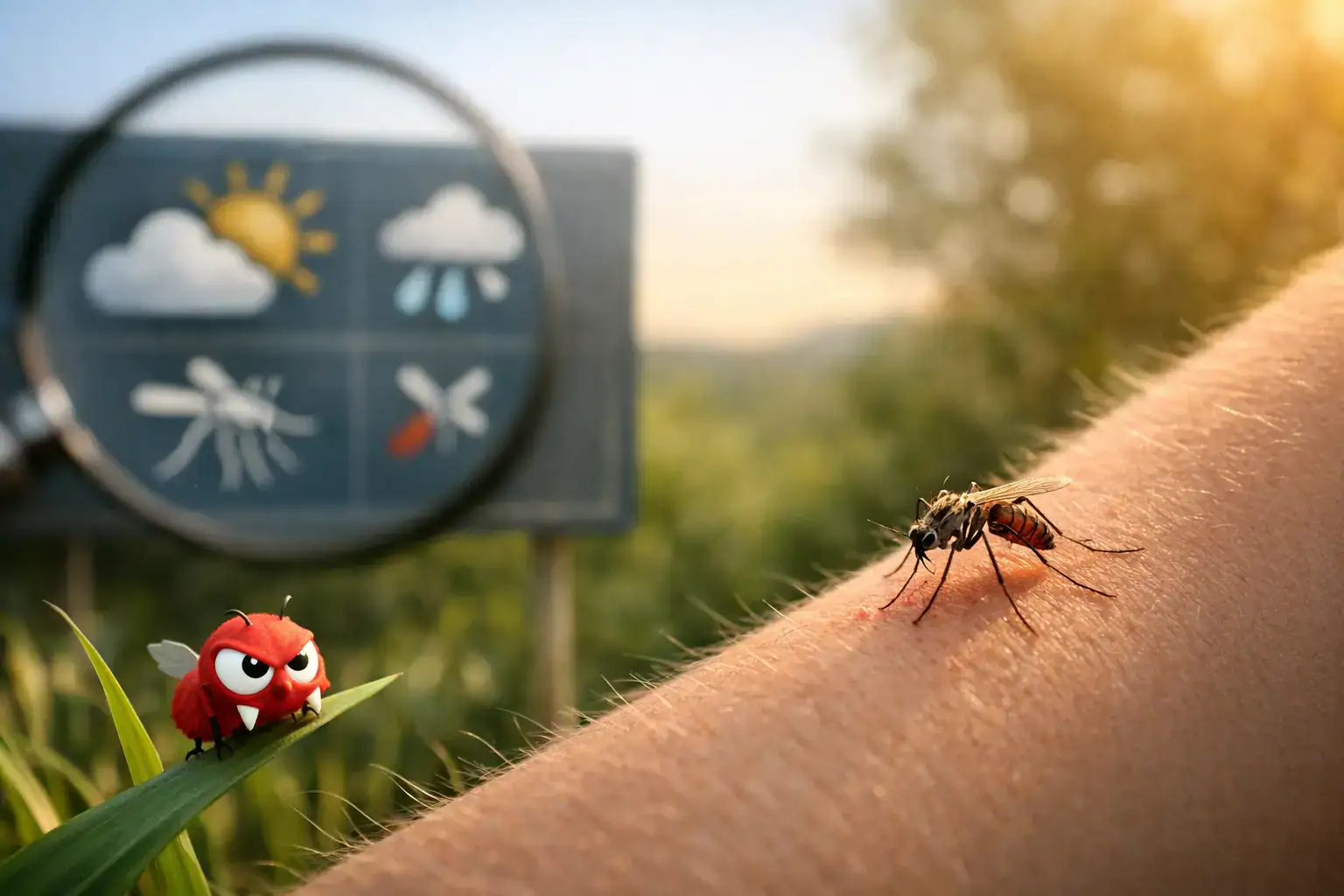
Mosquito Bite Forecast: What It Really Tells You
You can plan the perfect evening outside and still get ambushed the minute the sun starts to drop. That is why a mosquito bite forecast can be surprisingly useful. It gives you a heads-up on when bite pressure is likely to be low, moderate, or downright annoying, so you can make better calls before the picnic, trail walk, soccer game, or backyard dinner starts.
Still, a forecast is not a force field. It is more like a weather report for itch risk. Helpful? Absolutely. Perfect? Not even close. The real value comes from knowing what a mosquito bite forecast measures, what it misses, and how to use it in a way that keeps outdoor plans on track.
What a mosquito bite forecast actually means
A mosquito bite forecast is usually an estimate of how active mosquitoes are likely to be in a certain area on a given day. That estimate is often based on conditions mosquitoes love, like warmth, moisture, standing water, shade, and low wind. Some forecasts also factor in recent rainfall, humidity levels, seasonal patterns, and local mosquito populations.
In plain English, it is a prediction of how likely you are to deal with buzzing, swatting, and itchy bites if you spend time outside.
That matters because mosquitoes are not active at the same level every day. A cool, breezy afternoon after a dry stretch can feel very different from a muggy evening after several days of rain. If you have ever wondered why one backyard cookout is blissful and the next one turns into a slap-fest, the forecast helps explain it.
Why mosquito activity changes so much
Mosquitoes are picky in a very annoying way. They do not need much to thrive, but they do respond quickly to changes in the environment.
Warm temperatures speed up mosquito development and make adults more active. Moisture helps because mosquitoes lay eggs in standing water, even tiny amounts collected in planters, toys, birdbaths, gutters, or tarps. Humidity also helps them survive longer. Wind, on the other hand, often works in your favor because mosquitoes are weak fliers and struggle in breezy conditions.
Timing matters too. Many mosquito species are most active at dawn and dusk, when temperatures are milder and the air feels calmer. That does not mean midday is always bite-free, especially in shady or wooded areas. It just means the odds often climb during those lower-light windows.
How to read a mosquito bite forecast without overthinking it
The best way to use a mosquito bite forecast is to treat it like a planning tool, not a promise. A low forecast means your risk is lower, not zero. A high forecast means you should expect more activity, but it does not guarantee every outdoor minute will be miserable.
If the forecast looks high, think about adjusting the details instead of canceling the fun. You might head out earlier in the day, choose a breezier location, or avoid damp, shady areas near standing water. You might also make sure you have sleeves, fans, or quick itch relief on hand so a few bites do not hijack the whole outing.
If the forecast looks mild, that is great, but it is still worth paying attention to your setting. A local pond, recent sprinkler use, or a yard full of containers holding water can create a mini mosquito hotspot even when the general forecast seems manageable.
What the forecast gets right and what it misses
This is where a lot of people get tripped up. A mosquito bite forecast can be directionally accurate without being personally precise.
It usually does a good job of flagging broad risk. Hot, humid, wet conditions often do lead to more mosquitoes. Seasonal peaks are real. Evening activity patterns are real. If the forecast warns that mosquitoes will be especially active after storms or during a muggy stretch, that is useful information.
What it cannot fully capture is your exact spot, your exact timing, and your exact appeal to mosquitoes.
Some yards simply produce more mosquitoes than others. A shaded backyard with poor drainage can feel completely different from a sunny patio a mile away. Campgrounds near water, hiking trails with dense brush, and sports fields after rain can all play by their own rules.
Then there is the personal side. Some people seem to get bitten more often than everyone else around them. Body heat, carbon dioxide, sweat, skin chemistry, and even what you are wearing can make a difference. So if you are the person who always gets singled out, the forecast may underestimate your real-world risk.
The biggest factors that raise your bite risk
A mosquito bite forecast becomes much more useful when you pair it with common-sense situational awareness. If several of these are true at once, your odds of getting bitten usually go up.
Recent rain is a big one because it creates more breeding opportunities. Warm evenings with high humidity are another. Dense vegetation, wooded edges, and shaded yards often give mosquitoes a place to rest during the day. Standing water nearby can turn a low-level nuisance into a repeat problem.
Clothing matters more than people think. Bare skin gives mosquitoes easy access, and dark clothing can attract them more than lighter shades. Activity level matters too. If you are running around, gardening, hiking uphill, or playing with the kids, you are producing more heat and carbon dioxide, which can draw mosquitoes in.
None of this means you need to avoid summer fun. It just means a little awareness goes a long way.
Smart ways to use a mosquito bite forecast for outdoor plans
If you spend a lot of time outside, the forecast is most helpful before you leave the house. It can shape small decisions that make a big difference later.
For family evenings in the yard, check the forecast and plan active play or dinner a bit earlier if the bite risk rises around sunset. For camping or hiking, expect heavier mosquito pressure near water and shaded trails, even if the broader area forecast looks moderate. For gardening, sports events, and outdoor concerts, it helps to know whether you are heading into a high-risk window so you can dress and pack accordingly.
This is also where portable relief matters. Prevention is great, but real life is real life. Bites happen. A simple, easy-to-carry itch relief option can save the mood fast, especially when you are away from home and do not want one itchy bite turning into an all-evening distraction.
What to do when the mosquito bite forecast is high
A high mosquito bite forecast does not mean surrender. It means be strategic.
Choose breezier areas when you can. Avoid lingering near standing water. Cover up a little more if the weather allows. Keep outdoor gear and seating areas as dry as possible. If you are at home, dump water from containers and check the overlooked spots, like saucers under pots, clogged gutters, and kids’ toys.
And if bites still happen, deal with them quickly. Scratching can make irritation feel worse and last longer. Many outdoor families keep a natural relief stick in the car, bag, or backpack for exactly this reason. It is one of those small things that helps everyone get back to the fun faster. Just Bite Me fits naturally into that kind of grab-and-go routine because it is easy to carry and easy to use.
Why forecasts are helpful, but comfort is the real goal
The point of checking a mosquito bite forecast is not to obsess over bugs. It is to stay one step ahead of them. When you know the risk is up, you can make smarter choices and avoid getting caught off guard.
That said, even perfect planning cannot guarantee a bite-free day. Kids run through wet grass. Campsites sit near water. Summer evenings are too good to skip just because mosquitoes might show up. Outdoor life is not about controlling every variable. It is about being ready enough that the little annoyances stay little.
So check the forecast, trust your surroundings, and keep relief within reach. A little preparation can mean the difference between counting bites and enjoying the sunset.