Bug Report: Hearst, Ontario – 2026-03-18
This Forecast is Out of Date. Please visit https://justbiteme.com/regional-bug-bite-forecast for an updated forecast

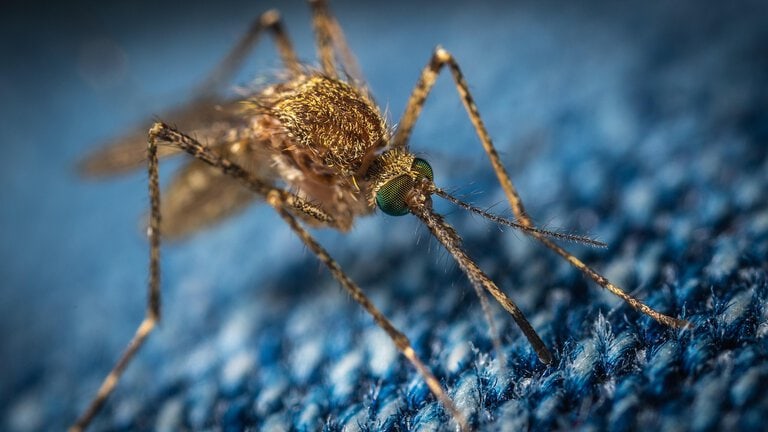
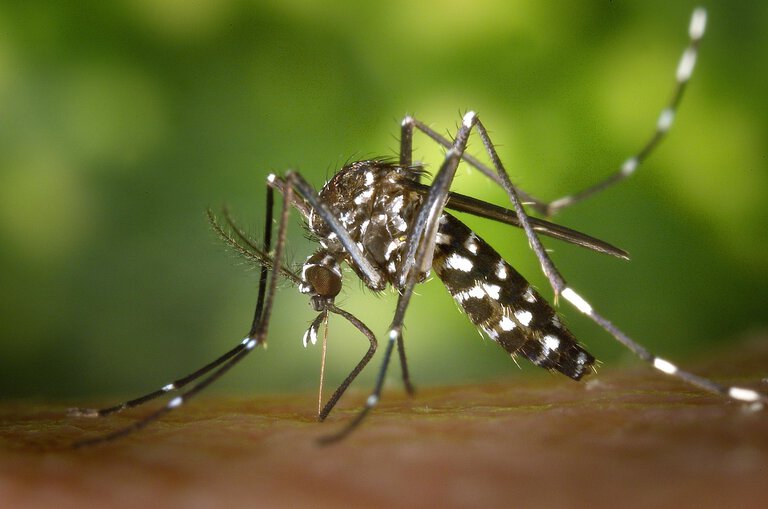
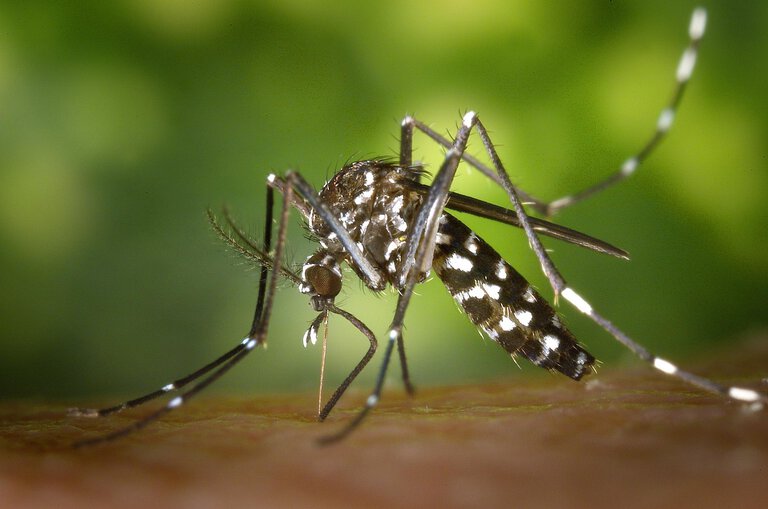
Image: Pixabay
Pest Control Hearst Ontario: Your Weekly Bug Report for March 18th in Cloudy, -4.51°C Weather
As your local expert in pest control Hearst Ontario, I’m here with your weekly bug report for March 18th. With temperatures hovering around -4.51°C under cloudy skies and 82% humidity, most of us are still enjoying the warmth of our homes, perhaps dreaming of spring fishing on the Kapuskasing River or walks in René Brunelle Provincial Park. This week, I’m happy to report a Low bug risk level. For homeowners in this distinct northern Ontario climate, characterized by its long, cold winters, a low risk means that most outdoor pests are either dormant, deep in hibernation, or actively seeking insulated shelter from the lingering cold rather than attempting to invade your living space.
This Week’s Weather and What It Means for Bugs
This week’s conditions in Hearst, Ontario, featuring a brisk -4.51°C (24°F) and 82% humidity under cloudy skies, signify a deep winter period where most insect activity has come to a standstill. At -4.51°C, the vast majority of ectothermic insects are incapable of active foraging, reproduction, or significant development. Instead, species capable of surviving the cold enter various forms of dormancy, such as diapause or torpor, significantly reducing their metabolic rates and relying on stored energy reserves. According to entomological research from the University of Guelph, sustained temperatures below 0°C (32°F) typically induce a cessation of growth and development for most temperate insect species, shifting their focus entirely to overwintering survival.
For common overwintering pests like the Boxelder Bug (Boisea trivittata) and Cluster Fly (Pollenia rudis), the -4.51°C temperature ensures they remain quiescent within the sheltered confines of attics, wall voids, or other protective structures they invaded last fall. According to studies by the University of Minnesota Extension, Boxelder bugs enter a non-feeding, non-reproductive state once temperatures consistently drop below 7°C (45°F), making active emergence highly unlikely at -4.51°C. Similarly, research from Cornell University indicates that Cluster Flies overwinter as adults, entering a deep diapause where their metabolic activity is greatly reduced to survive freezing conditions. The elevated 82% humidity, while not directly influencing their activity at such low temperatures, may contribute to the microclimate stability within their sheltered overwintering sites, helping to prevent desiccation over prolonged periods of dormancy for some species.
Even cold-tolerant arthropods like the Blacklegged Tick (Ixodes scapularis), while capable of surviving below-freezing temperatures, would exhibit virtually no questing activity at -4.51°C. According to the Public Health Agency of Canada, significant tick activity for questing typically resumes only when temperatures consistently rise above 0°C, meaning they are likely dormant in leaf litter or other sheltered microclimates. The high 82% humidity, however, is a crucial factor in their survival during this dormant phase, as it helps maintain moisture levels in their immediate environment, preventing lethal desiccation while they await warmer conditions. This combination of cold and high humidity supports the survival of many overwintering pests, allowing them to endure the winter and re-emerge when spring arrives.
What to Do This Week in Hearst
Even with the temperatures hovering around -4.51°C (24°F) and a noticeable 82% humidity this week, pests are still on the lookout for a cozy spot to call home. With cloudy skies, many critters will be seeking warmth and shelter from the elements. This is the perfect time to be proactive! Firstly, take a walk around the exterior of your home and inspect for any small cracks or openings around utility lines, foundations, and window frames. Rodents and overwintering insects like cluster flies can squeeze through incredibly tiny gaps. Sealing these entry points with caulk or steel wool can make a huge difference in keeping unwanted guests out of your warm, dry house. Many older homes in Hearst can develop small foundation cracks over time, making this a crucial step to prevent future infestations.
Secondly, pay close attention to areas prone to moisture, such as basements and crawl spaces. While it’s cold outside, the high humidity means any existing leaks or condensation issues can still attract moisture-loving pests like silverfish, centipedes, and even certain types of spiders. Ensure these areas are as dry as possible and address any drips or damp spots promptly. Lastly, if you heat with wood, make sure your firewood is stacked at least 20 feet away from your home and elevated off the ground. Firewood piles are prime real estate for rodents, ants, and spiders seeking shelter, and bringing them too close to your house is like rolling out the welcome mat. For expert advice or if you’re already noticing signs of unwanted visitors, don’t hesitate to contact us for trusted pest control Hearst Ontario services – we’re always here to help keep your home bug-free!
Frequently Asked Questions about Pest Activity in Hearst
What common pests might Hearst residents encounter indoors during mid-March?
In mid-March, Hearst residents might encounter overwintering pests like cluster flies or box elder bugs emerging on warmer days. Rodents, such as mice, may also be seeking shelter indoors as the weather transitions, especially if their outdoor food sources are scarce after winter.
When is the ideal time for proactive pest control in Hearst, Ontario?
The ideal time for proactive pest control in Hearst, Ontario, is typically early spring or late fall. Addressing potential entry points and applying preventative treatments before peak pest season (summer) or winter hibernation reduces future infestations. Professional pest control Hearst Ontario services can offer tailored seasonal advice.
Are properties near Lac Ste. Thérèse in Hearst more prone to specific pest issues?
Properties near Lac Ste. Thérèse, being close to water and wooded areas, can be more prone to certain pests. Residents might observe increased activity from moisture-loving insects like mosquitoes and carpenter ants in warmer months, and rodents seeking shelter from natural habitats.
What is the typical insect activity level in Hearst during late winter and early spring?
During late winter and early spring, insect activity in Hearst is generally low. Most insects are still dormant or overwintering. However, warmer days can cause overwintering pests like ladybugs or cluster flies to become active indoors, while early carpenter ant foragers might occasionally appear.
Protect Your Home in Hearst, Ontario
Don’t let local bug activity catch you off guard. Visit our local store to get expert advice and the right supplies for your specific location.