Bug Report: Tilbury, Ontario – 2026-03-18
This Forecast is Out of Date. Please visit https://justbiteme.com/regional-bug-bite-forecast for an updated forecast

Image: Pixabay
Pest Control Tilbury Ontario: Bracing for Spring on a Chilly, Cloudy March 18th
Welcome back, Tilbury homeowners! As we navigate a chilly -6.27°C (21°F) under cloudy skies this March 18th, it’s clear that true spring warmth is still a little ways off. This week, our bug report indicates a Low risk level for most common pests, which means you can breathe a sigh of relief on the immediate front. For expert pest control Tilbury Ontario advice, understanding these seasonal shifts is key. While many of us might be dreaming of warmer days and perhaps an early season stroll near Memorial Park, the current cold means most outdoor pests are still largely dormant or seeking deep shelter, so significant new infestations are unlikely to start now. This low risk offers a perfect window for proactive inspections and sealing up any potential entry points before the region’s characteristic humid continental climate fully wakes up and brings out those summer nuisances.
This Week’s Weather and What It Means for Bugs
The measured conditions of -6.27°C (21°F) and 93% humidity in Tilbury this week strongly indicate a period of deep winter dormancy for most insect pests. At these sub-freezing temperatures, the metabolic activity of cold-blooded insects dramatically slows or ceases entirely. This means that outdoor insect populations are largely inactive, either in a state of diapause (a form of suspended animation) or have succumbed to the cold. While 93% humidity is very high, its direct biological impact on active insect pests is minimal at such low temperatures, as the cold itself is the overwhelming environmental factor dictating survival and activity.
For common overwintering pests, the 21°F (-6.27°C) temperature is the primary driver for remaining deep within sheltered, insulated areas of homes and structures. For instance, **Cluster Flies** (*Pollenia rudis*) are well into their dormant phase, often aggregating in attics or wall voids. According to research from the University of Guelph, these low temperatures are essential for maintaining their diapause, preventing them from emerging prematurely. The high humidity of 93%, while not directly prompting activity, may contribute to slightly less desiccating conditions within these unheated, sheltered overwintering sites, potentially aiding their long-term survival until spring. Similarly, **Asian Lady Beetles** (*Harmonia axyridis*) are completely inactive at -6.27°C. Studies from Michigan State University highlight that such freezing temperatures are critical for inducing and sustaining their overwintering state, compelling them to seek deep shelter indoors and protecting them from lethal cold exposure.
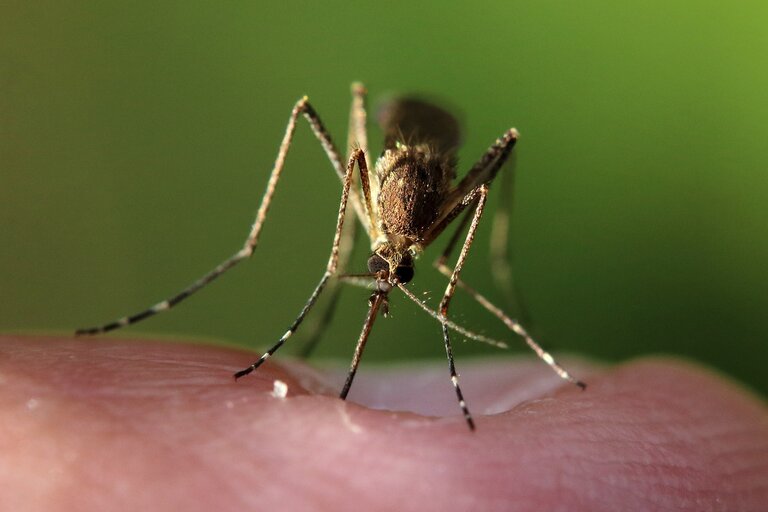
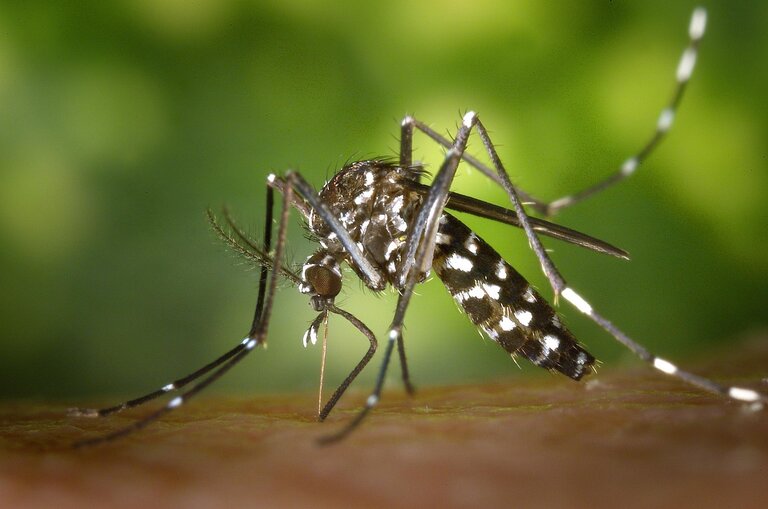
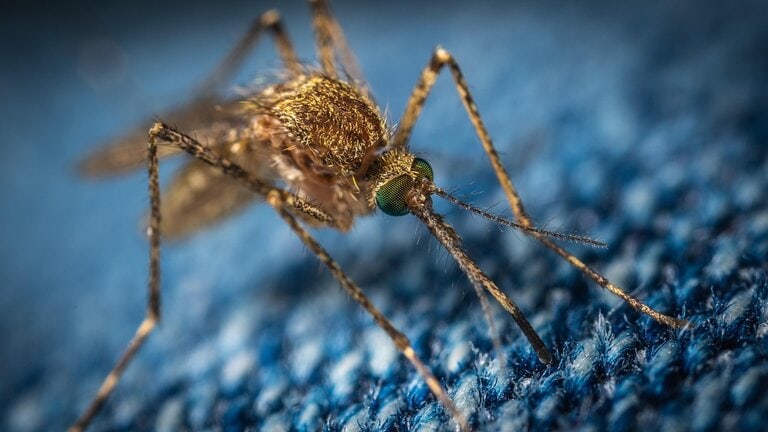
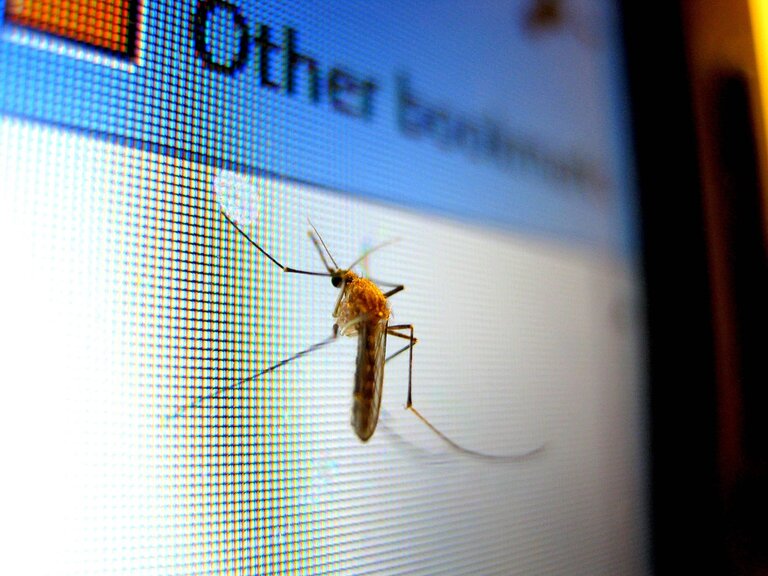
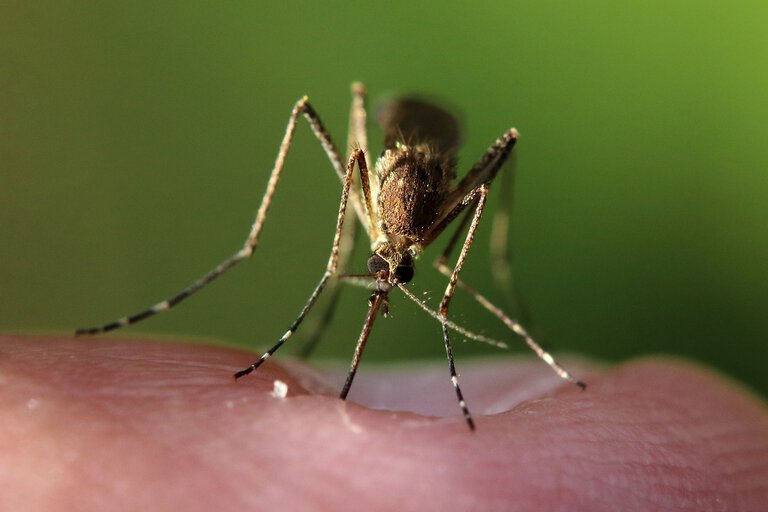
Outdoor pest populations, such as **Mosquitoes** (*Culex pipiens*), are entirely absent from active flight and biting at these cold temperatures. At -6.27°C, adult mosquitoes are either in diapause within protected microhabitats like culverts, storm drains, or basements, or their larval and egg stages are frozen solid within standing water. The ambient humidity of 93% has virtually no bearing on their activity or survival when temperatures are consistently below freezing, as their biological processes are arrested, as outlined by entomological studies from the Centers for Disease Control and Prevention regarding mosquito overwintering strategies. Therefore, while humidity might be a factor in warmer months, the severe cold is the dominant influence on insect biology this week.
What to Do This Week in Tilbury
Brrr, it’s a truly chilly one out there this week in Tilbury, with temperatures dipping to -6.27°C and an incredibly high 93% humidity! While our bug risk level is currently low, this frigid weather is precisely when pests like mice, rats, and overwintering insects (think boxelder bugs and cluster flies) are actively trying to find a warm, cozy spot indoors. Your top priority this week should be a thorough exterior inspection. Specifically, take some time to seal up any visible cracks or gaps around your home’s foundation, utility lines, and window frames. This is especially crucial for our charming, older Tilbury homes that might have settled over the years, creating new entry points. Even a tiny gap can be an open door for a determined critter seeking refuge from the cold.
Despite the cold, that 93% humidity means we still need to be mindful of indoor moisture, which can attract specific pests even in winter. Take a moment to check for any leaks under sinks, around appliances, or in your basement – high humidity can contribute to condensation and damp spots that attract silverfish or provide breeding grounds for mould, which in turn can attract certain insects. Ensuring your gutters are clear of debris is also wise, preventing ice dams and potential leaks once the snow eventually melts. Keeping your basement or crawl space dry and clutter-free also removes ideal overwintering spots for rodents and insects. If you’re finding persistent issues or need a hand identifying potential entry points, remember that proactive pest control Tilbury Ontario services can provide peace of mind and help keep your home pest-free year-round.
Frequently Asked Questions about Pest Activity in Tilbury
What common pests might residents in Tilbury encounter during mid-March?
In mid-March, Tilbury residents might still encounter overwintering pests like cluster flies, boxelder bugs, or rodents seeking warmth indoors. As temperatures slowly rise, early ant activity or spiders emerging from dormancy could also be observed, especially around foundations or sheltered areas near homes and businesses.
Are there specific pest concerns for homes located near Tilbury’s downtown core?
Homes in Tilbury’s downtown core, often older structures or closer to commercial areas, might be more susceptible to common urban pests. Rodents like mice and rats, as well as cockroaches, can be drawn to food sources and refuse. Regular sanitation and sealing entry points are crucial for prevention in these areas.
Given the low bug risk, what preventative measures should Tilbury homeowners take now?
Even with low bug risk in March, Tilbury homeowners should focus on prevention. Seal cracks in foundations and around windows, check screens for damage, and ensure proper drainage to eliminate standing water. Store firewood away from the house and trim vegetation to deter early spring insect activity around your property.
When is the best time to consider professional pest control in Tilbury, Ontario for seasonal issues?
The best time to consider professional pest control in Tilbury, Ontario for seasonal issues is often proactively in early spring or fall. Addressing potential problems before they escalate, such as sealing entry points for rodents or applying barrier treatments for ants and spiders, can prevent larger infestations and maintain a pest-free home year-round.
What impact does Tilbury’s proximity to agricultural land have on local pest populations?
Tilbury’s surrounding agricultural lands can influence local pest populations, bringing field mice, voles, and certain insects like European corn borers closer to residential areas, especially after harvest or during planting seasons. While less active in March, these pests may seek shelter indoors. Proper perimeter sealing is important.
Protect Your Home in Tilbury, Ontario
Don’t let local bug activity catch you off guard. Visit our local store to get expert advice and the right supplies for your specific location.