Bug Report: Moonbeam, Cochrane District – 2026-03-18
This Forecast is Out of Date. Please visit https://justbiteme.com/regional-bug-bite-forecast for an updated forecast

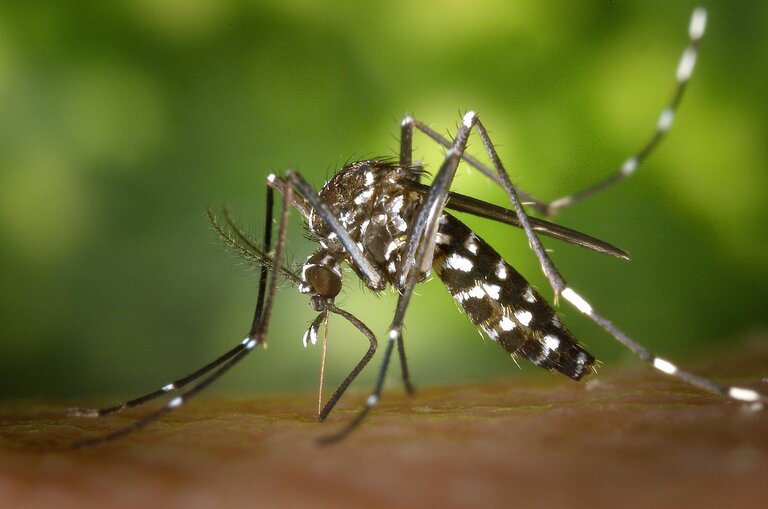
Image: Pixabay
Your Weekly Pest Control Moonbeam Cochrane District Report: March 18, 2026 – Snowy Conditions (-2.8°C, 76% Humidity)
Welcome back to your weekly update on pest control Moonbeam Cochrane District! As we brave another snowy week, with temperatures hovering around -2.8°C and humidity at 76%, it’s still very much winter in Northern Ontario’s boreal forest. While many of us are still enjoying the quiet beauty of a snow-covered landscape, perhaps even planning a quick visit past the iconic Moonbeam UFO, the good news for homeowners is that our bug risk level remains Low. This means active pest invaders trying to get into your homes are minimal, with most insects and wildlife hunkered down deep.
This Week’s Weather and What It Means for Bugs
The frigid conditions in Moonbeam this week, with temperatures plummeting to -2.8°C (27°F) and significant snowfall, significantly impact the activity and survival strategies of local pests. At this sub-zero temperature, most ectothermic insects enter a state of dormancy, known as diapause, or seek thermal refuge to avoid freezing solid. According to entomological research from McGill University, temperatures consistently below 0°C (32°F) trigger critical physiological changes, halting development and forcing adults to seek protected overwintering sites. The 76% humidity, coupled with snowfall, contributes to a landscape where outdoor activity is impractical, pushing many species that would otherwise be found outdoors to seek shelter within human structures. The insulating effect of snow can, paradoxically, protect some overwintering stages in the soil or beneath leaf litter from even colder air temperatures, but it universally signals a time of reduced outdoor activity.
For common occasional invaders such as Cluster Flies (Pollenia rudis) and Boxelder Bugs (Boisea trivittata), the sustained -2.8°C temperatures are a critical trigger for their overwintering behavior. These insects, which are typically found outdoors during warmer months, actively seek warm, protected indoor spaces to survive the winter. Research from the University of Guelph highlights that adult cluster flies will aggregate on the sunny sides of buildings in late fall, entering through cracks and crevices once external temperatures drop consistently below 5°C, and certainly at the current -2.8°C. Similarly, boxelder bugs are known to invade homes in large numbers when cold weather sets in, seeking the stable, above-freezing temperatures found within walls and attics. The 76% humidity, while not directly influencing their entry, indicates a general cold and damp environment that makes indoor refuge essential for their survival, preventing desiccation in their chosen protected spots.
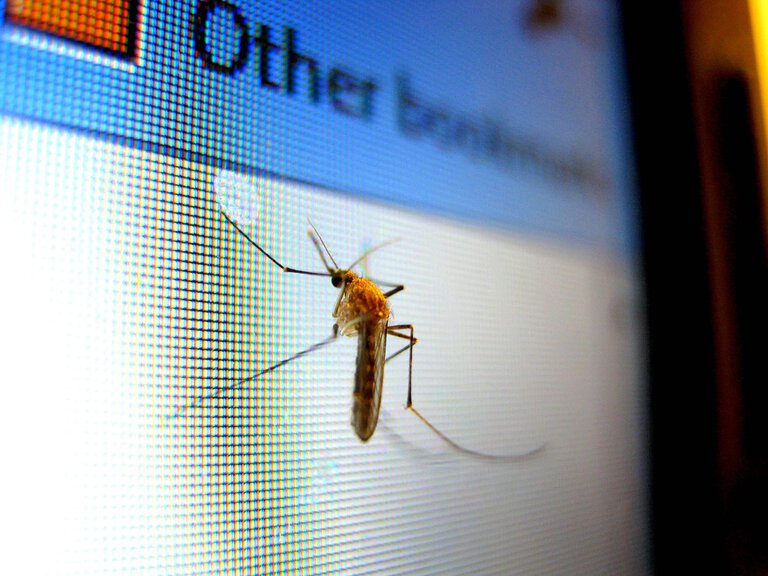
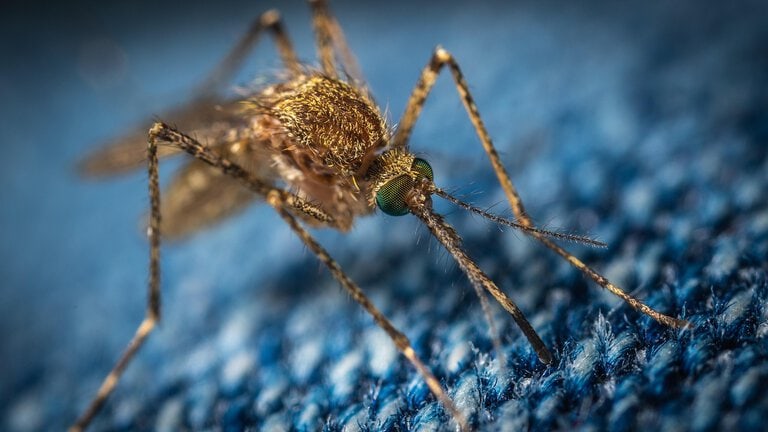
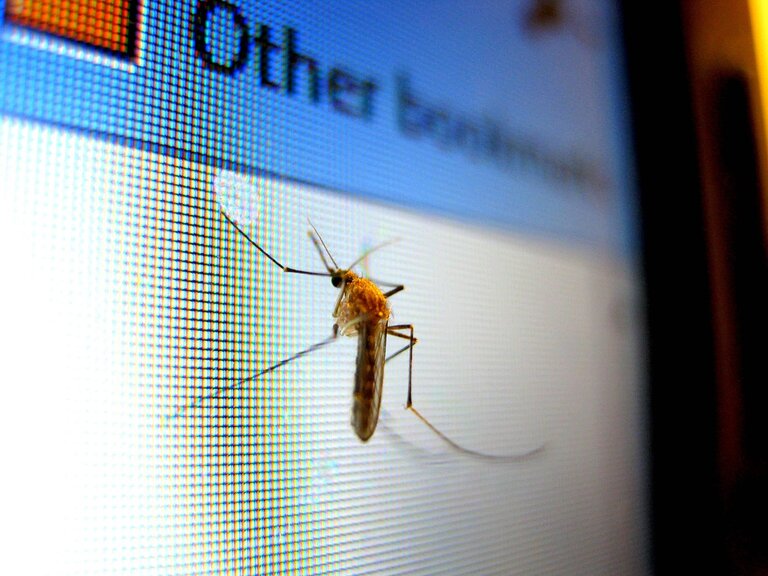
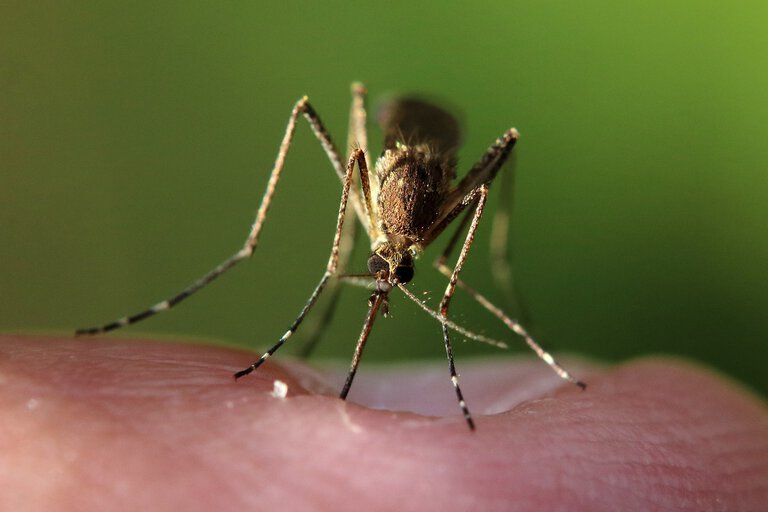
Even mosquitoes, like the common house mosquito Culex pipiens, respond directly to these conditions. While their larval stages are dormant or dead in frozen water sources, adult female C. pipiens enter diapause and seek sheltered, humid environments like basements, culverts, or storm drains to overwinter. The -2.8°C temperature ensures that no outdoor activity is possible, and these protected indoor or subterranean sites provide the necessary above-freezing conditions for survival until spring. A study published in the Canadian Journal of Zoology confirms that optimal overwintering sites for adult mosquitoes maintain a stable temperature near freezing but above 0°C, and the 76% humidity helps prevent desiccation during this inactive period. Furthermore, the persistent -2.8°C and accumulating snow drive mammalian pests such as the House Mouse (Mus musculus) directly indoors. These warm-blooded creatures seek consistent warmth, food, and shelter within structures to escape the harsh outdoor elements, with the current conditions making outdoor foraging and survival extremely challenging.
What to Do This Week in Moonbeam
Greetings, Moonbeam neighbours! With the snow continuing to fall and temperatures holding steady around -2.8°C (27°F), many of our local pests are actively seeking a warm, dry refuge from the harsh winter conditions. Even with a low bug risk level, this is the perfect time for proactive pest control Moonbeam Cochrane District homeowners can implement. Start by taking a thorough walk around your home’s exterior, paying close attention to the foundation, windows, and doors. Seal any visible cracks, gaps, or holes – even tiny ones – with appropriate caulk, weatherstripping, or steel wool. Remember, a mouse can squeeze through an opening the size of a dime, and overwintering insects like boxelder bugs or cluster flies are also looking for any entryway to escape the cold and snow.
Given the heavy snow we often experience in the Cochrane District, this week is also crucial for checking your attic and eaves for any signs of snow ingress or moisture build-up. Ice dams can form with fluctuating temperatures, leading to melted snow seeping into your attic, creating damp conditions that can attract carpenter ants (even dormant ones), silverfish, or moisture-loving rodents. Finally, for those keeping cozy with a wood stove, ensure any firewood is stored at least 20 feet away from your home, elevated off the ground, and covered. Storing it too close or directly against your house can inadvertently invite spiders, beetles, and even more ants indoors when you bring in logs for the fire.
Frequently Asked Questions about Pest Activity in Moonbeam
What are the most common pests Moonbeam residents might encounter as spring approaches?
As temperatures slowly rise in Moonbeam during early spring, residents often encounter overwintering pests like cluster flies and spiders emerging from attics and wall voids. Rodents, such as mice, may also be more active as they seek new food sources outdoors or attempt to find their way back outside after wintering indoors. Proactive sealing can help.
When is the optimal time for preventative pest control in Moonbeam Cochrane District?
For effective preventative pest control in Moonbeam Cochrane District, early spring is ideal to address overwintering pests and create barriers before summer infestations begin. Treating foundations and sealing entry points before insects and rodents become highly active helps mitigate seasonal challenges, ensuring your home remains protected throughout the year, especially with the approaching warmer months.
Are properties situated near Remi Lake in Moonbeam more prone to specific pest issues?
Yes, properties near Remi Lake can experience increased activity from moisture-loving pests. Mosquitoes and black flies are prevalent during warmer months due to standing water. Carpenter ants might also be more common, attracted to damp wood often found near water bodies. Regular inspections and proper drainage are crucial for these lakeside properties.
What preventative measures can Moonbeam homeowners take against rodents like mice and rats?
Moonbeam homeowners can prevent rodents by sealing all exterior cracks and openings larger than a dime, including around utility lines. Store food in airtight containers, keep outdoor garbage bins securely closed, and maintain a tidy yard by removing debris and trimming vegetation away from the foundation. These steps significantly reduce attraction and entry points.
Protect Your Home in Moonbeam, Cochrane District
Don’t let local bug activity catch you off guard. Visit our local store to get expert advice and the right supplies for your specific location.
Find Just Bite Me Products Near You
Discover where you can purchase Just Bite Me products in your area.